@cheerspedia
Dry
💡 Definition
A tasting descriptor indicating low or zero residual sugar in a wine or spirit. The opposite of sweet. Used for both wine sweetness levels and gin classifications.
What does Dry mean?
'Dry' has slightly different meanings in different contexts. In wine, dry means no perceptible residual sugar — the sugars from the grapes have been fully converted to alcohol during fermentation. Bone-dry wines have less than 4 grams of sugar per litre; off-dry wines have 4–12 g/L; medium-sweet to sweet wines have more. In gin, 'dry' (as in London Dry or Dry Gin) refers to no added sugar — modern gin standards typically allow under 0.1g/L sugar. In vermouth, dry vermouth is the lower-sugar version, while sweet vermouth has substantially more added sugar. The 300 mentions of dry across 14 categories on LivCheers reflect this descriptor's importance across multiple drink types.
Dry vs Bitter vs Sour
These are different perceptions easily confused. Dry refers specifically to lack of sweetness — a dry wine has no residual sugar. Bitter refers to the taste perceived at the back of the tongue, often from tannin, hops, or specific compounds. Sour refers to acidity — sharp, sometimes mouth-watering character. A wine can be dry (no sugar) and not bitter or sour. A bitter beer (an IPA) is hop-bitter but not necessarily sweet or sour. A sour beer is acidic but might be off-dry. Each descriptor refers to a different sensory perception.
Frequently Asked Questions
How dry is 'dry' wine?
Most premium dry wines have under 4 grams of residual sugar per litre — effectively imperceptible. 'Off-dry' wines have 4–12 g/L (slight perceptible sweetness). Anything above 12 g/L is noticeably sweet. The cutoff is somewhat subjective — your sensitivity to sweetness varies, and high acidity in a wine can mask perceptible sweetness.
Are all martinis dry?
Most modern Martinis are dry — meaning they use dry vermouth rather than sweet vermouth, and the proportion of vermouth to gin/vodka is small (often 1:6 or less). 'Extra dry' Martinis have even less vermouth (or just a vermouth rinse). The classic 'wet' Martini has more vermouth (5:1 gin:vermouth). All use dry vermouth — the difference is in proportion.
Why is dry wine considered more sophisticated?
Cultural rather than objective. The European wine tradition associates dry wines with food pairing and sophistication, while sweet wines were traditionally seen as for less developed palates. This is somewhat unfair — many of the world's greatest wines are sweet (Sauternes, Tokaji, vintage Port). The dry-versus-sweet preference is a stylistic choice, not a quality marker.
Published: 2026-04-29
Featured Products
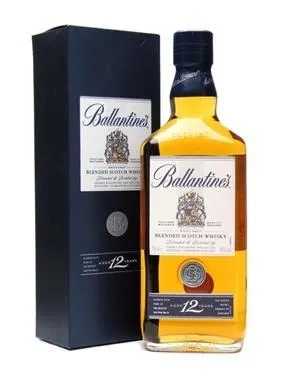
Brand: Ballantines
Ballantine Aged 12 Yrs Blended Scotch Whisky
750ML
Overall Rating: 4.4
₹4,000
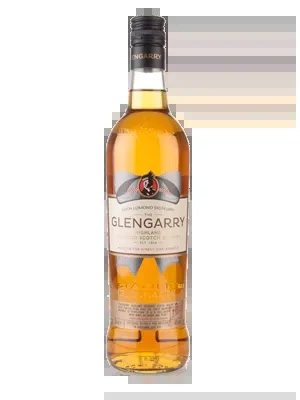
Brand: Glengarry
Glengarry
750ML
Overall Rating: 4.3
₹2,980
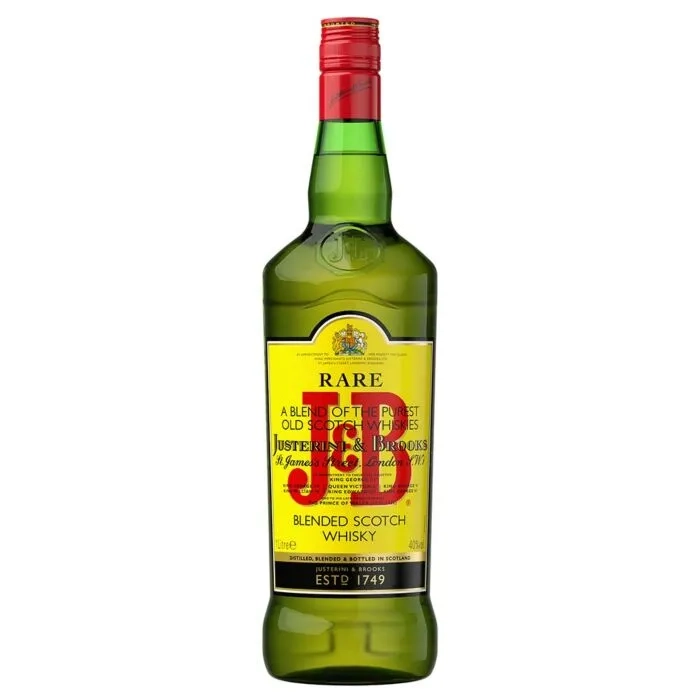
Brand: J&B
J&B Rare
750ML
Overall Rating: 4.6
₹2,300
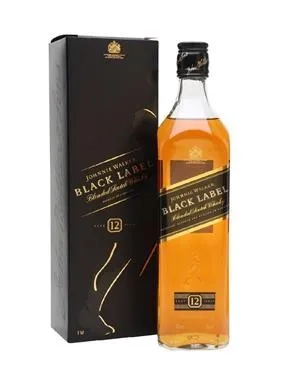
Brand: Johnnie Walker
Johnnie Walker Black Label
750ML
Overall Rating: 4.8
₹4,250
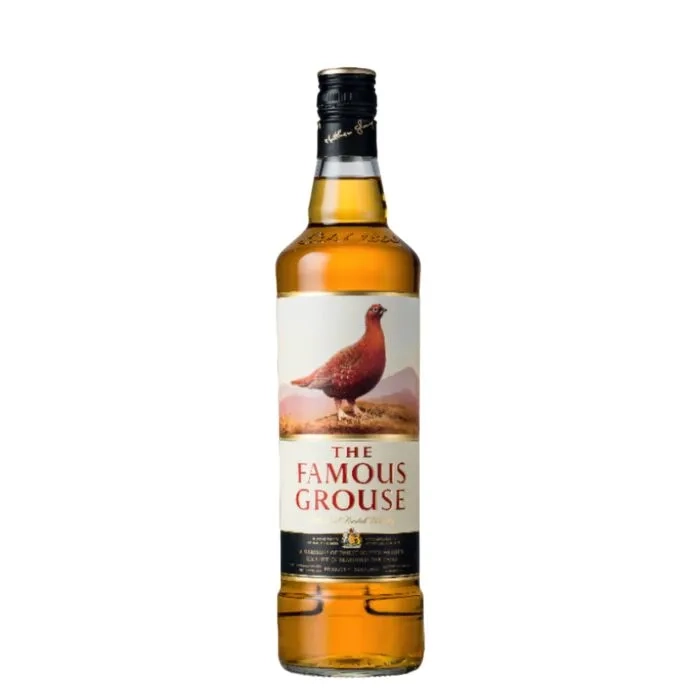
Brand: Famous Grouse
The Famous Grouse
750ML
Overall Rating: 4.2
₹2,250
All Categories


Disclaimer:
- We aggregate data from multiple public sources, hence actual prices may vary, visit local retailers for latest information.
- We do not offer Home Delivery. Be aware of fraudsters.
- Drink Less. Drink Better. Drink Responsibly.
- Reach out to us contact@livcheers.com