@TheDrinkDictionary
More Than Just Taste
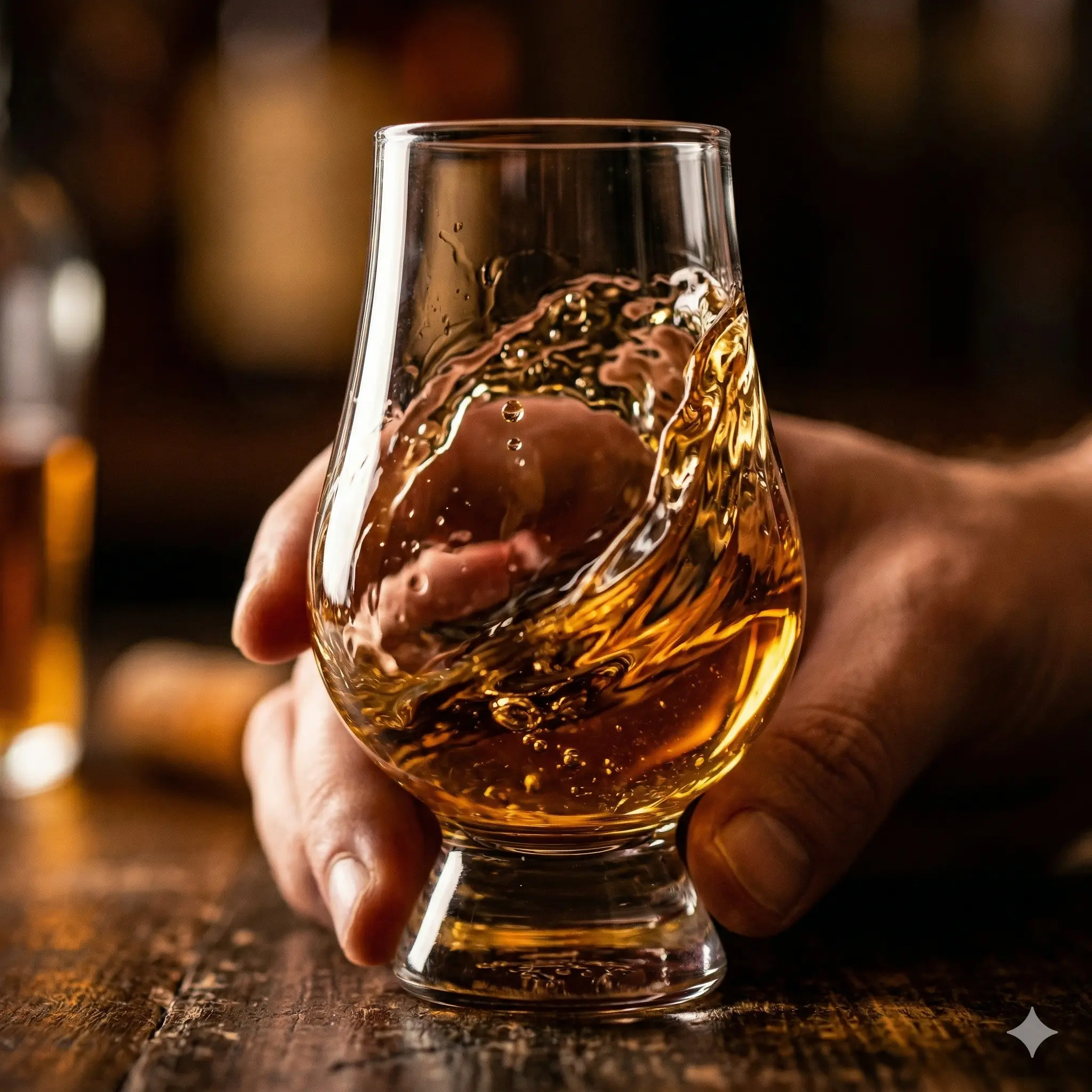
When tasting notes say 'rich and smooth on the palate,' they are not just talking about flavour. They are talking about feel.
In the language of tasting, 'palate' refers to the full sensory experience of the drink in your mouth — not just flavour, but also body (weight), texture (mouthfeel), and the warmth of alcohol. It is the second of three evaluation stages: nose (what you smell), palate (what you taste and feel), and finish (what lingers). The term appears in 3,227 product descriptions on LivCheers, making it the second most frequently used tasting descriptor after 'finish.' Understanding what 'palate' means transforms the way you read tasting notes — and the way you experience your next drink.
What Your Palate Actually Detects
THE PALATE BREAKDOWN
Palate vs Nose vs Finish
The nose tells you what to expect — it is the preview. The palate is the main event — it is where you evaluate whether the drink delivers on the nose's promise. The finish is the memory — what stays after the experience. A great drink performs well at all three stages, but many products surprise: a whisky with a subtle nose can explode with flavour on the palate, or a wine with a bold palate can have a disappointingly short finish. The palate is where most of the information lives, which is why it appears in more product descriptions than any other tasting term on LivCheers.
Common Palate Descriptors Decoded
'Smooth' means low alcohol bite and no harsh edges — the liquid flows without friction. 'Rich' means concentrated flavour with noticeable weight. 'Crisp' means refreshing acidity or dryness with a clean cut. 'Velvety' means a thick, soft texture — common in oak-aged spirits and full-bodied red wines. 'Balanced' means no single element (sweetness, bitterness, alcohol, acidity) dominates — everything is in proportion. When you see these words in a tasting note on LivCheers, you now know exactly what the reviewer experienced.
💡 TRY THIS
Next time you sip anything — whisky, wine, beer, even coffee — hold it in your mouth for 3 seconds before swallowing. Focus on weight (heavy or light?), texture (oily or thin?), and warmth (burning or gentle?). You are now evaluating the palate. Do this five times and you will notice details you never did before.
Frequently Asked Questions
Is palate the same as taste?
Not exactly. 'Taste' refers to the five basic sensations detected by your tongue: sweet, sour, salty, bitter, and umami. 'Palate' is broader — it includes taste, but also texture (oily, watery, creamy), body (light, medium, full), temperature sensation, and the tactile feeling of carbonation, tannin, or alcohol burn. When a tasting note says 'smooth on the palate,' it is describing mouthfeel, not flavour.
What does 'mid-palate' mean?
The 'mid-palate' is the moment after the initial taste hits your tongue but before you swallow. It is where the drink's core flavour develops. Tasters often note that certain flavours 'emerge on the mid-palate' — meaning they were not immediately apparent on the first sip but build as the liquid coats your mouth.
Can you train your palate?
Yes. Tasting is a skill, not a talent. Start by paying deliberate attention when you drink — focus on sweetness vs bitterness, body vs wateriness, and what specific flavours you can identify. Compare two products side by side. Over time, your ability to detect and articulate subtle differences will sharpen dramatically.
Published: 2026-04-01
More to explore

GOONDA®

El Goonda
100% Agave Spirit


Paul John Bold
Paul John
Most Awarded Indian Single Malt


A 195 Year Old Legacy.

Teachers
Blended Scotch Whisky

The Billionaire's Handshake
@TheTopShelf


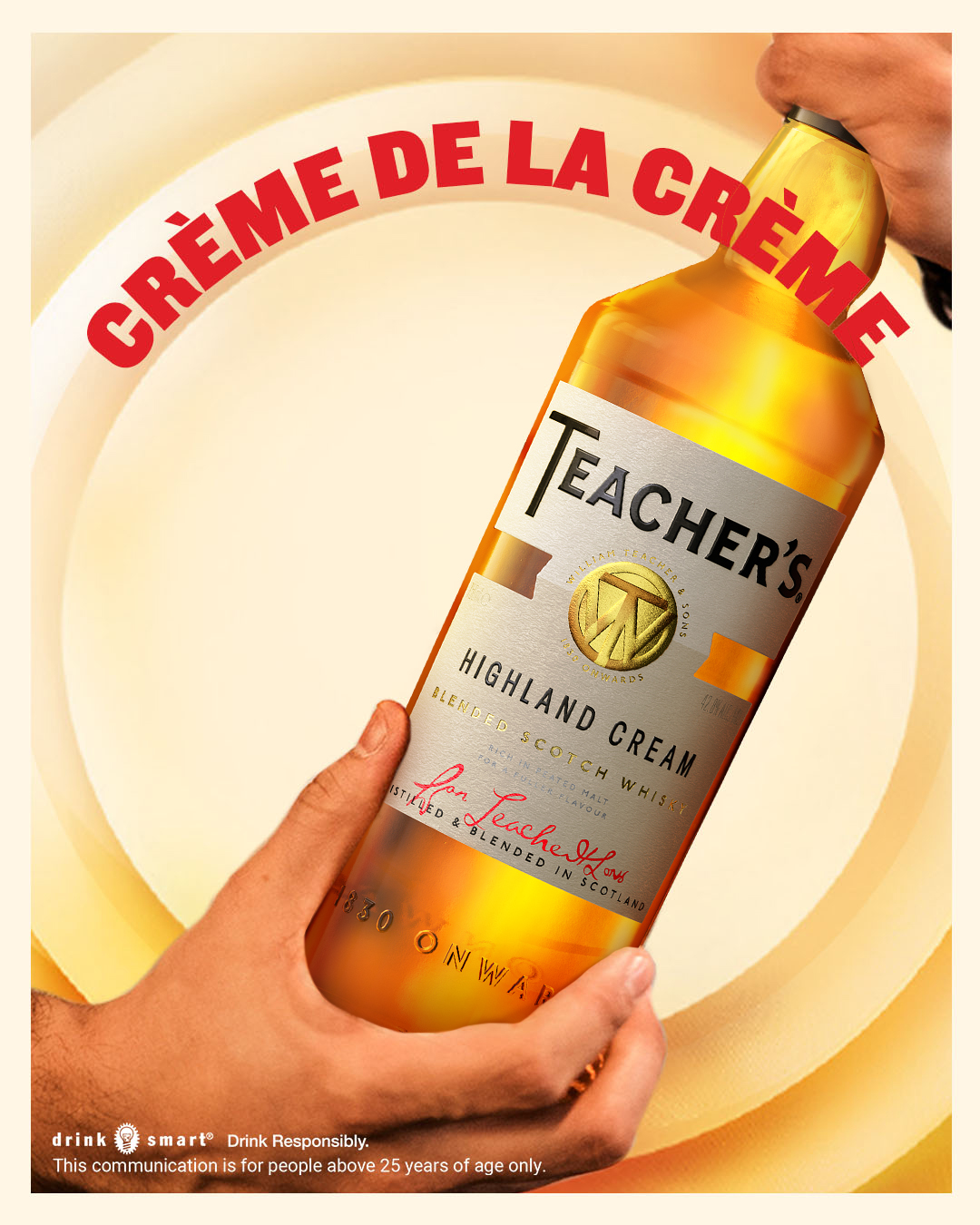
The Highland Cream.
Teachers
Blended Scotch Whisky
The Bartender's Secret
@TheTopShelf
The 70% ABV Dare
@InsideTheBottle



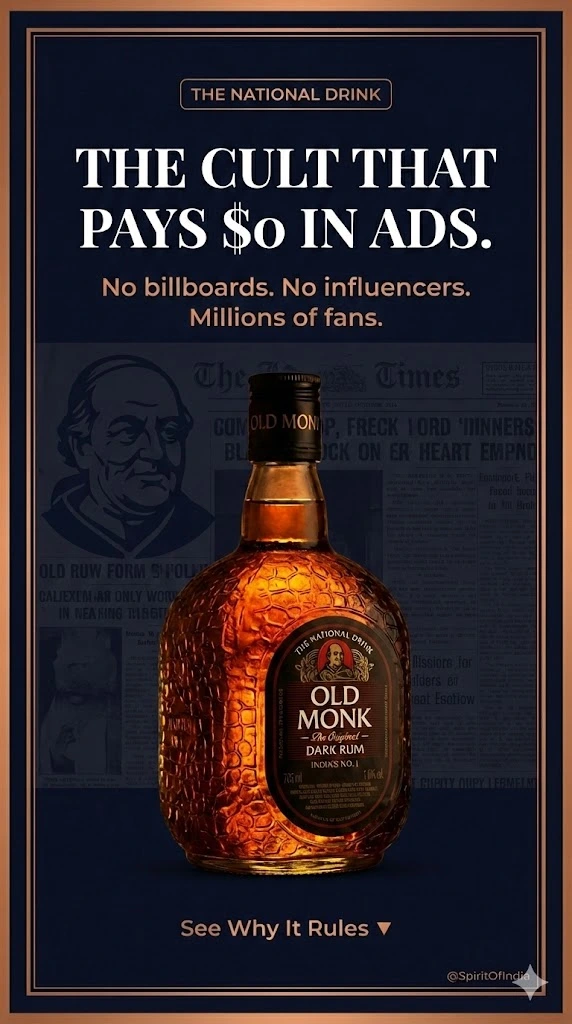
The Cult That Pays $0 in Ads
@SpiritOfIndia
More Than Just Taste
@TheDrinkDictionary



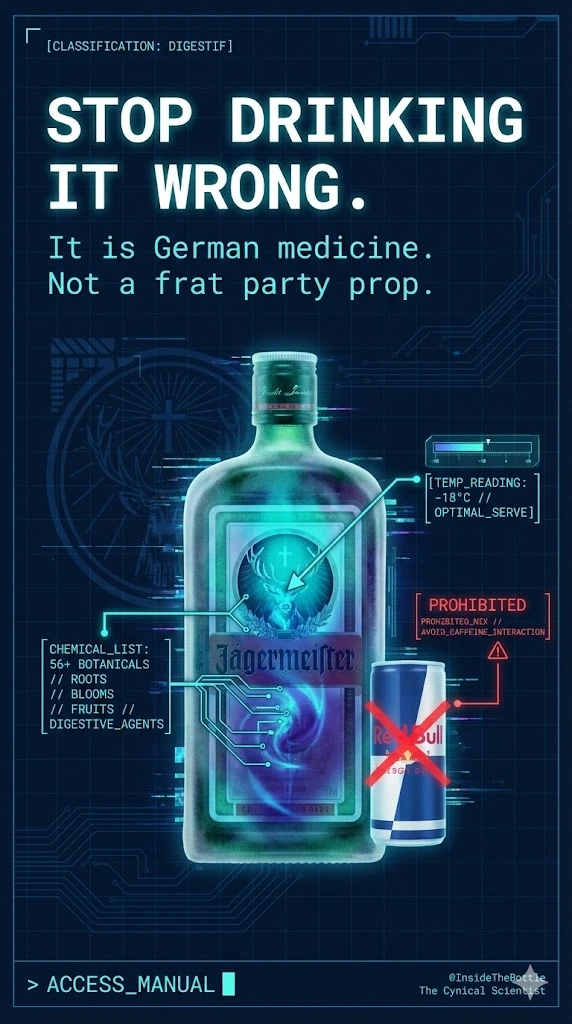
Stop Drinking It Wrong
@InsideTheBottle
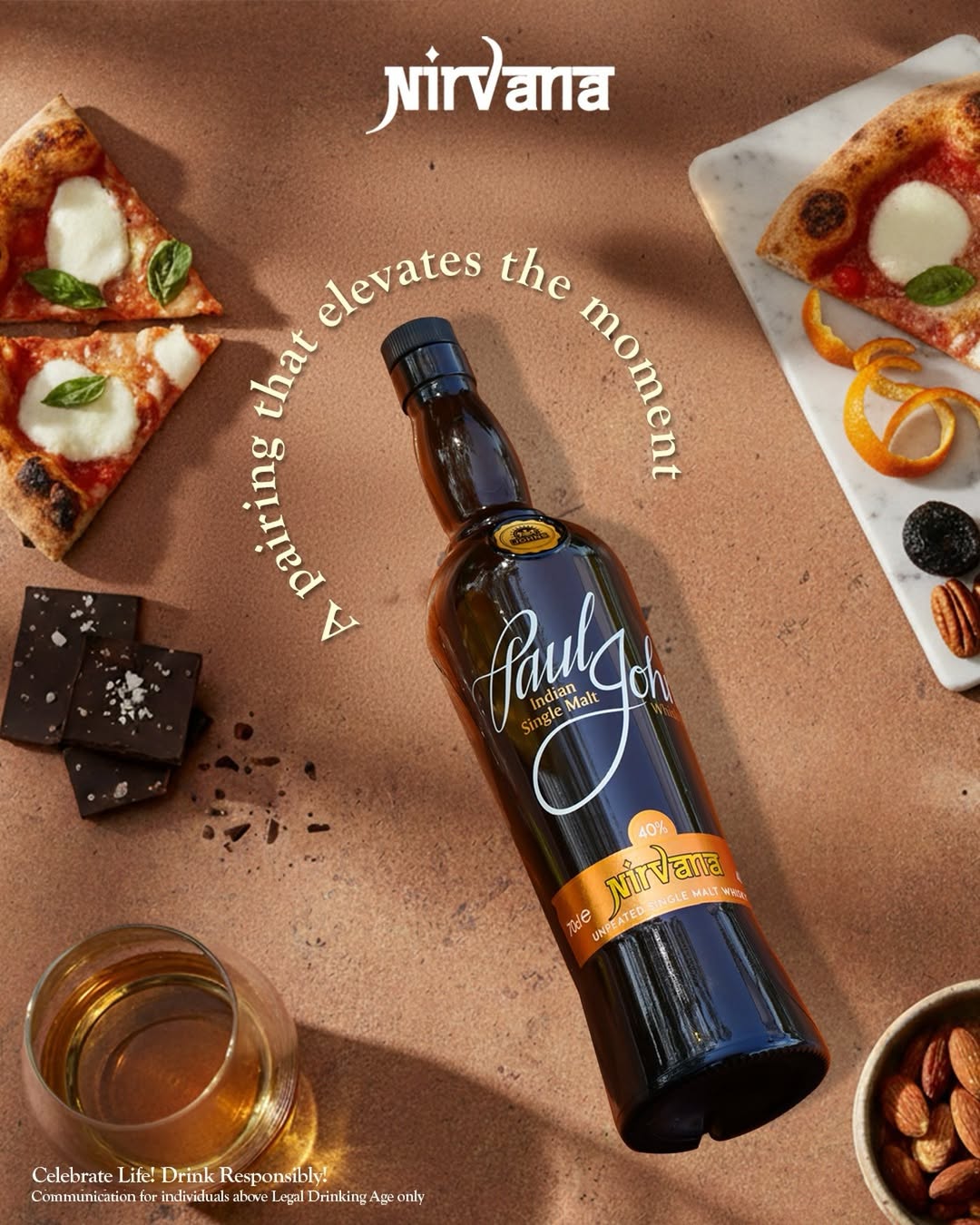
Paul John Nirvana
Paul John
Most Awarded Indian Single Malt
India's Most Popular Spirit
@TheDrinkDictionary
Disclaimer:
- We aggregate data from multiple public sources, hence actual prices may vary, visit local retailers for latest information.
- We do not offer Home Delivery. Be aware of fraudsters.
- Drink Less. Drink Better. Drink Responsibly.
- Reach out to us contact@livcheers.com