@cheerspedia
Vanilla
💡 Definition
A tasting descriptor for vanilla character in drinks — typically derived from oak aging (not from actual vanilla beans) but sometimes added directly in liqueurs and flavoured spirits.
Where does Vanilla come from?
Vanilla notes in wine and aged spirits come almost exclusively from oak barrels — specifically from compounds called 'oak lactones' that develop during cooperage and barrel toasting. American oak produces especially strong vanilla character. The vanilla note isn't from added vanilla beans; it's a natural by-product of how oak interacts with alcohol over time. The longer a spirit ages in fresh oak, the more vanilla character it develops. With 1,590 mentions across 18 categories on LivCheers, vanilla is one of the most universally recognised tasting notes — and one of the most common positive descriptors.
Identifying Vanilla in Drinks
Vanilla character is recognisable as the sweet, creamy, slightly buttery aromatic familiar from vanilla extract. In wine, oaked Chardonnay (especially American oak-aged) is famously vanilla-driven. Bourbon — required by law to use new American oak — has pronounced vanilla notes. Rum aged in ex-Bourbon casks inherits vanilla character. Even brandy and Cognac, despite using French oak, develop vanilla notes (slightly more subtle) over extended aging. The vanilla character in a drink is one of the strongest indicators of meaningful oak influence.
Frequently Asked Questions
Is the vanilla in whisky real vanilla?
No — it's a chemical match. Oak barrels naturally produce a compound called vanillin, which is the same chemical that creates the flavour we perceive as vanilla. The wood produces vanilla-flavour without any actual vanilla beans being involved. The match is so close that artificial 'vanilla flavour' is often derived from oak compounds.
Why does Bourbon have such pronounced vanilla notes?
Three reasons: Bourbon must use new charred American oak barrels (which deliver maximum vanilla compounds), the corn-heavy mash bill produces a sweet base that complements vanilla, and the warm Kentucky climate accelerates flavour extraction. The combination produces Bourbon's signature vanilla-and-caramel profile.
Can wine taste like vanilla without oak?
Very rarely — almost all vanilla character in wine comes from oak. A small number of grape varieties can produce subtle vanilla aromas naturally, but this is unusual. If a wine tastes strongly of vanilla, oak aging is the cause.
Published: 2026-04-29
Featured Products
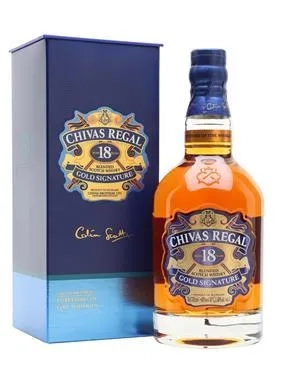
Brand: Chivas Regal
Chivas Regal 18 Yrs Blended Scotch Whisky
750ML
Overall Rating: 4.3
₹11,500
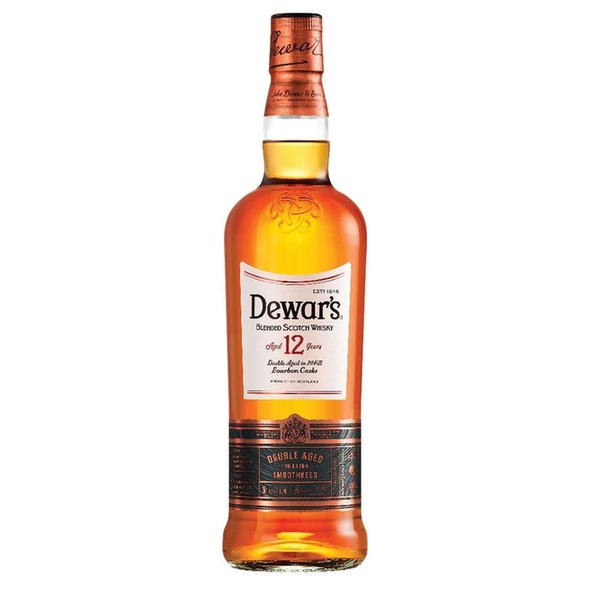
Brand: Dewars
Dewars 12 Years
750ML
Overall Rating: 4.7
₹4,200
Brand: Dewars
Dewars 15 Year
750ML
Overall Rating: 4.5
₹5,400
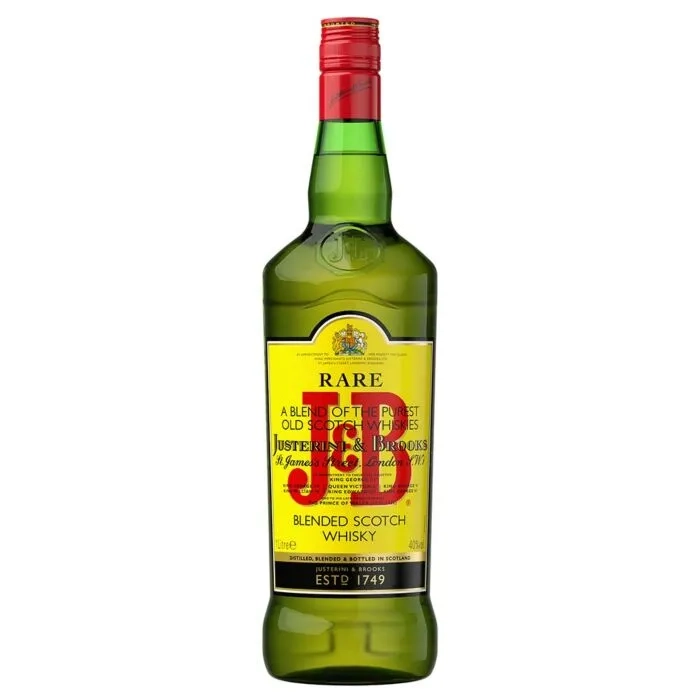
Brand: J&B
J&B Rare
750ML
Overall Rating: 4.6
₹2,300
Brand: Nine Lives
Nine Lives Blended Scotch
750ML
Overall Rating: 4.5
₹1,300
All Categories


Disclaimer:
- We aggregate data from multiple public sources, hence actual prices may vary, visit local retailers for latest information.
- We do not offer Home Delivery. Be aware of fraudsters.
- Drink Less. Drink Better. Drink Responsibly.
- Reach out to us contact@livcheers.com