
@cheerspedia
Floral
💡 Definition
A tasting descriptor for drinks displaying notes of various flowers — rose, violet, jasmine, lavender, elderflower, honeysuckle, and others. Floral character is found in many aromatic white wines, certain gins, and select aged spirits.
Identifying Floral Notes
Floral aromas in drinks range from delicate to intense. Rose is associated with Gewürztraminer, certain Pinot Noirs, and rose-petal liqueurs. Violet appears in cool-climate Cabernet Sauvignon, Nebbiolo, and aged Bordeaux. Jasmine is characteristic of certain white wines and exotic gins. Elderflower is a defining note in Hugo cocktails and certain craft gins. Lavender appears in some Provence rosés, certain craft gins, and Mediterranean wines. The 639 mentions of floral notes across 19 categories on LivCheers reflect just how universal flower character is in alcoholic beverages — although the specific flowers vary dramatically by drink type.
Sources of Floral Character
Grape-derived floral notes — Gewürztraminer is famously rose-petal, Riesling can be honeysuckle, Pinot Noir often shows violet. Botanical-derived floral — gin recipes commonly include floral botanicals (elderflower, lavender, rose). Hop-derived floral — certain hop varieties (Saaz, Hallertau) produce subtly floral characters in beers. Yeast-derived floral — certain wine and beer yeasts produce floral aromatic compounds during fermentation. The floral character of a drink often signals careful, deliberate winemaking or distillation focused on aromatic preservation.
Frequently Asked Questions
Why do some red wines smell floral?
Specific compounds in certain grape varieties produce floral aromas. Pinot Noir is famously violet-noted. Nebbiolo (the grape of Barolo) has rose and tar character. Cool climates concentrate these floral compounds — same grape grown warm produces less floral character. Aged red wines often develop deeper floral notes (dried roses, tertiary potpourri).
What gives gin its floral character?
Floral botanicals added during distillation. Common floral gin botanicals include rose petals (Hendrick's), elderflower (Botanist), lavender (St. George Botanivore), and orange flower water (Bombay Sapphire). The intensity of floral character depends on which botanicals are used and in what proportions.
Are floral notes always pleasant?
Usually, but not always. Some florals can read as 'perfumey' or 'soapy' if too intense — a critique sometimes applied to over-perfumed gins or cosmetic-tasting wines. Subtle, integrated floral notes are universally appreciated; aggressive or artificial-tasting floral characters can be polarising.
Published: 2026-04-29
Featured Products
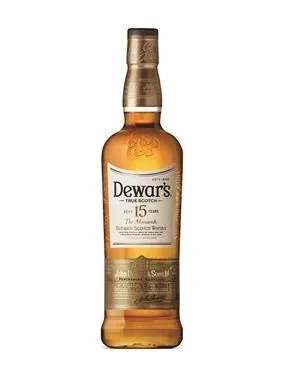
Brand: Dewars
Dewars 15 Year
750ML
Overall Rating: 4.5
₹5,400
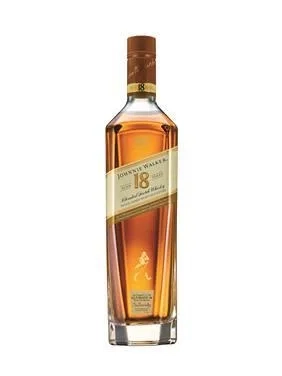
Brand: Johnnie Walker
Johnnie Walker 18 Yrs
750ML
Overall Rating: 4.8
₹11,600
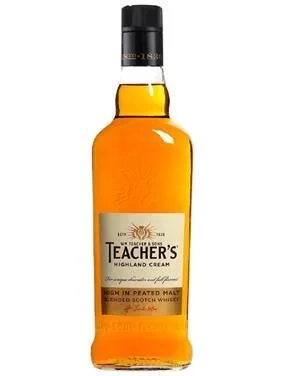
Brand: Teachers
Teachers Highland Cream
750ML
Overall Rating: 4.6
₹2,850
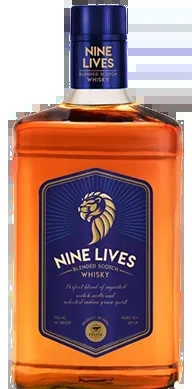
Brand: Nine Lives
Nine Lives Blended Scotch
750ML
Overall Rating: 4.5
₹1,300
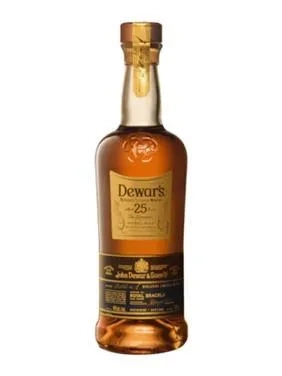
Brand: Dewars
Dewars 25 Yrs
750ML
Overall Rating: 4.4
₹32,000
All Categories


Disclaimer:
- We aggregate data from multiple public sources, hence actual prices may vary, visit local retailers for latest information.
- We do not offer Home Delivery. Be aware of fraudsters.
- Drink Less. Drink Better. Drink Responsibly.
- Reach out to us contact@livcheers.com