@cheerspedia
Aroma
💡 Definition
The smell of a wine, spirit, or beer — perceived through the nose before and during tasting. Aroma is the largest contributor to perceived flavour and the most reliable indicator of complexity and quality.
What is Aroma?
About 80% of what people call 'flavour' is actually aroma — your nose, not your tongue, does most of the work. The tongue can detect five basic tastes (sweet, sour, salty, bitter, umami); your olfactory system can distinguish thousands of distinct aromas. This is why holding your nose while tasting strips a drink of nearly all its character. Aroma is where wine and spirits become interesting. The 3,486 product descriptions mentioning aroma on LivCheers span every category — but aromas are particularly central to wine, single malts, and craft spirits, where producers spend years refining the aromatic complexity that distinguishes their products.
Types of Aroma
Wine and spirits aromas fall into three categories. Primary aromas come from the raw ingredients — fruit, floral, and herbaceous notes from the grapes, fruit-character from base spirits. Secondary aromas come from production — yeast notes from fermentation, butter or cream notes from malolactic fermentation. Tertiary aromas come from aging — oak vanilla, leather, tobacco, dried fruit, mushroom, and earthy notes that develop over time in barrel and bottle. A young wine or spirit shows mostly primary aromas; an aged one shows all three layers, with tertiary often dominating.
Frequently Asked Questions
How do I learn to identify aromas?
Practice and reference. Smell common ingredients deliberately — a strawberry, a clove, oak chips, vanilla extract, leather, tobacco. Build a mental aroma library. When tasting wine or spirits, check what aromas you can match. Aroma identification is a skill that improves dramatically with intentional practice.
Why does swirling a glass help?
Swirling releases volatile aromatic compounds from the surface of the liquid into the air space of the glass. This concentrates aromas and lets you nose the drink more effectively. It also adds slight oxygen exposure, which helps reveal closed aromas in young wines and spirits.
Why does the same drink smell different to different people?
Genetics and experience. People have different sensitivities to specific aromatic compounds — some can't smell asparagus aromas, others find blue cheese unpleasant where others love it. Cultural and personal experience also shapes aroma perception; familiar smells are identified faster than unfamiliar ones.
Published: 2026-04-29
Featured Products
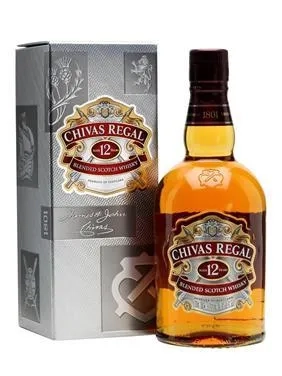
Brand: Chivas Regal
Chivas Regal 12 Yr
750ML
Overall Rating: 4.7
₹4,300
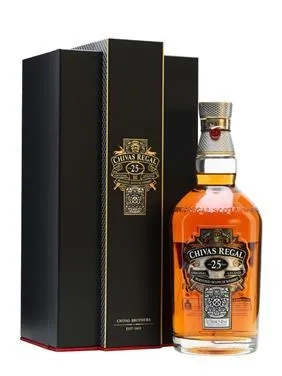
Brand: Chivas Regal
Chivas Regal 25 Yrs
750ML
Overall Rating: 4.6
₹45,000
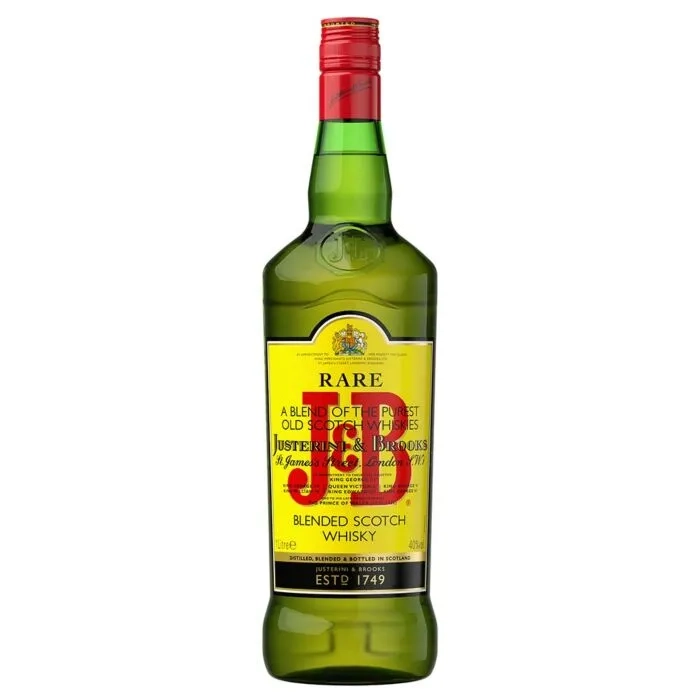
Brand: J&B
J&B Rare
750ML
Overall Rating: 4.6
₹2,300
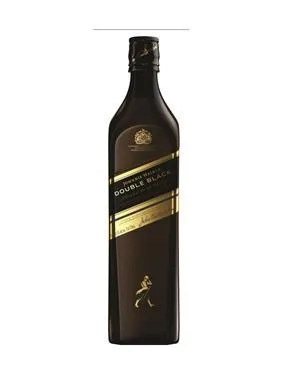
Brand: Johnnie Walker
Johnnie Walker Double Black
750ML
Overall Rating: 4.8
₹5,400
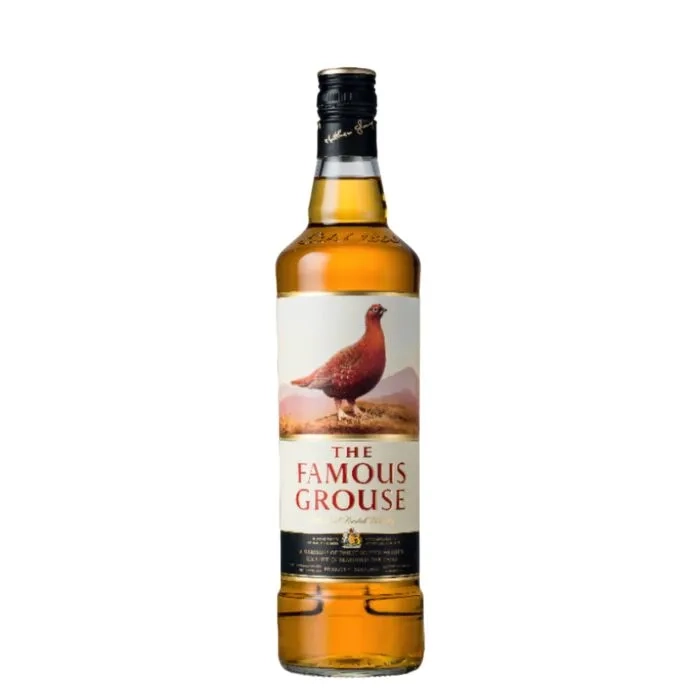
Brand: Famous Grouse
The Famous Grouse
750ML
Overall Rating: 4.2
₹2,250
All Categories


Disclaimer:
- We aggregate data from multiple public sources, hence actual prices may vary, visit local retailers for latest information.
- We do not offer Home Delivery. Be aware of fraudsters.
- Drink Less. Drink Better. Drink Responsibly.
- Reach out to us contact@livcheers.com