@cheerspedia
Smooth
💡 Definition
A tasting descriptor for drinks that lack harshness, burn, or rough edges — typically associated with quality spirits, well-balanced wines, and properly conditioned beer. The most universal positive descriptor in the alcohol industry.
What does Smooth actually mean?
'Smooth' is the most-used positive descriptor in alcohol marketing — but it has specific meaning beyond marketing. A smooth drink has integrated alcohol (no harsh burn), balanced flavours (no single component dominates harshly), and clean texture (no roughness on the palate). For spirits, smoothness comes from extended aging (which integrates alcohol), proper distillation cuts (removing harsh-tasting components), and quality water for dilution. For wine, smoothness comes from balanced tannins, ripe fruit, and proper aging. For beer, smoothness comes from proper conditioning and avoiding off-flavours from poor fermentation. With 2,602 product descriptions mentioning smooth across 19 LivCheers categories, this is the descriptor that crosses every drink type.
Smooth vs Bland
The risk with 'smooth' is confusing it with 'bland.' A smooth drink is harmonious, with all components integrated and pleasant. A bland drink is just lacking character. Premium smooth spirits (Macallan 18, Hennessy XO, Patrón Reposado) are smooth AND complex — multiple layers of flavour, all integrated. Budget 'smooth' spirits often achieve smoothness by stripping out flavour, leaving something neutral but uninteresting. Look for descriptors alongside smooth — 'smooth with rich vanilla and oak' is genuine smoothness; just 'smooth' alone is a marketing claim.
Frequently Asked Questions
What makes a whisky smooth?
Aging integrates alcohol with flavour compounds, removing the harsh edge. Distillation cuts (removing the 'heads' and 'tails' of the distillation) eliminate bitter and unpleasant components. Quality water dilution prevents alcohol burn. Time in cask and proper proof reduction are the two biggest factors in spirit smoothness.
Are smooth wines always sweet?
No. Smooth wines have balanced tannin, integrated fruit, and clean acidity — not necessarily sweetness. A smooth Cabernet Sauvignon can be bone-dry but feel smooth because the tannins are well-integrated and the fruit is ripe. Smoothness in wine refers to texture and balance, not sweetness.
Is smoothness the most important quality?
Not always. Some great drinks (Islay Scotches, Italian amari, hopped IPAs) are intentionally bold and challenging rather than smooth. Smoothness is a positive trait but it's not synonymous with quality. The best drinks are the ones that achieve their intended style well — sometimes that's smooth, sometimes it's powerfully bold.
Published: 2026-04-29
Featured Products
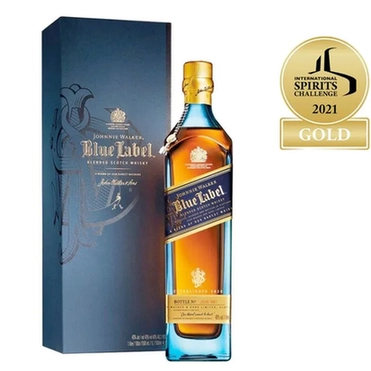
Brand: Johnnie Walker
Johnnie Walker Blue Label
750ML
Overall Rating: 4.8
₹27,500
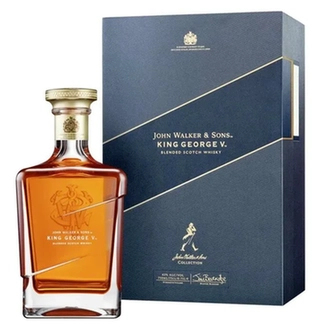
Brand: Johnnie Walker
Johnnie Walker & Sons King Georg V
750ML
Overall Rating: 4.3
₹1,00,000
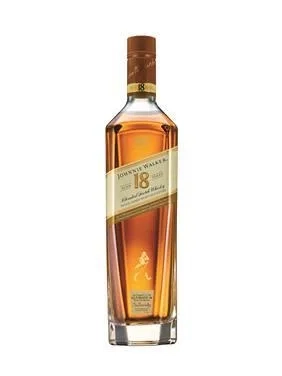
Brand: Johnnie Walker
Johnnie Walker 18 Yrs
750ML
Overall Rating: 4.8
₹11,600
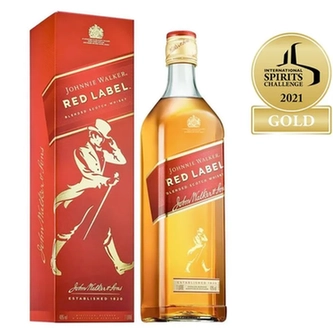
Brand: Johnnie Walker
Johnnie Walker Red Label
750ML
Overall Rating: 4.6
₹2,500
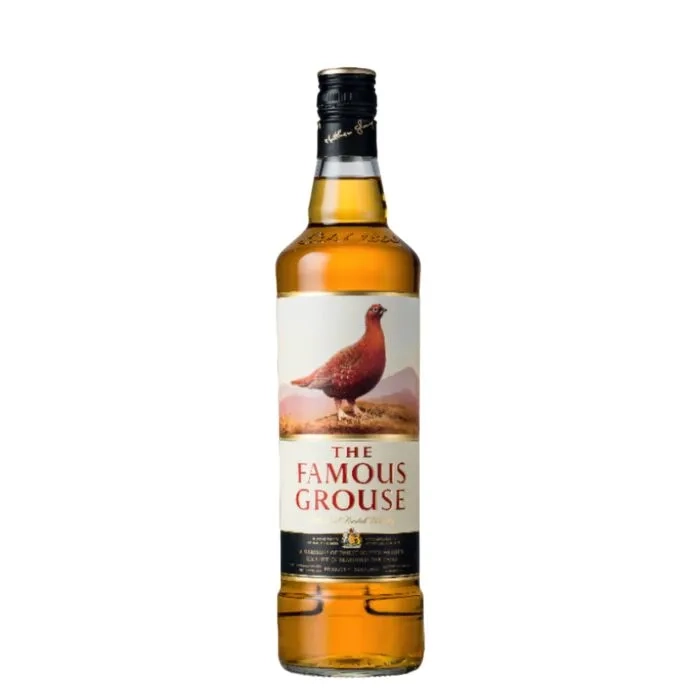
Brand: Famous Grouse
The Famous Grouse
750ML
Overall Rating: 4.2
₹2,250
All Categories


Disclaimer:
- We aggregate data from multiple public sources, hence actual prices may vary, visit local retailers for latest information.
- We do not offer Home Delivery. Be aware of fraudsters.
- Drink Less. Drink Better. Drink Responsibly.
- Reach out to us contact@livcheers.com