@TheDrinkDictionary
The Aftertaste That Matters
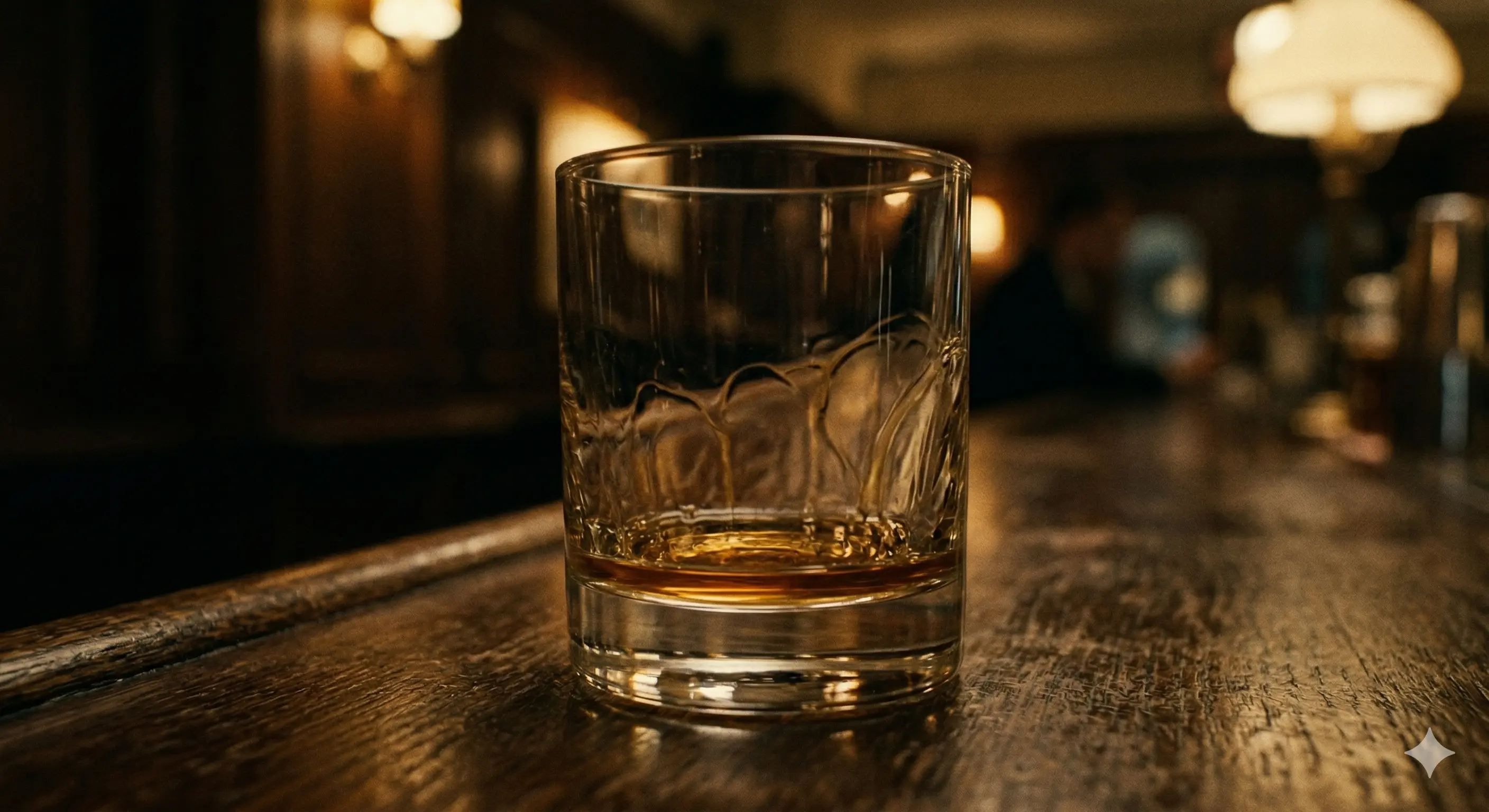
The finish is the last thing you taste — and the first thing experts judge. Here is what it actually means.
In tasting vocabulary, 'finish' refers to the flavour and sensation that linger in your mouth after you swallow a drink. Along with 'nose' (aroma) and 'palate' (taste), the finish is one of the three pillars used by professionals and enthusiasts to evaluate any alcoholic beverage — from whisky to wine to beer. The term appears in 3,898 product descriptions on LivCheers, making it the single most commonly used tasting descriptor in our catalog. A long, complex finish is universally considered a sign of quality: it means the drink has enough depth and concentration for its flavours to persist and evolve, rather than disappearing the moment you swallow.
The Three Stages of Tasting
NOSE → PALATE → FINISH
Reading the Finish
When a tasting note says 'long, warming finish with lingering spice and oak,' it is describing a specific sensory experience. 'Long' means the flavours persist for 15+ seconds. 'Warming' refers to a gentle heat (from alcohol) spreading through the chest. 'Lingering spice' means pepper or cinnamon notes that were not prominent on the palate but emerge in the aftertaste. 'Oak' refers to flavours imparted by the barrel during aging — vanilla, toast, coconut. The finish often reveals the most about how a spirit was aged, because oak influence is most apparent in the aftertaste.
What Makes a Finish Good or Bad
A great finish is long, evolving, and clean. It should feel like a conversation that keeps going — new flavours emerging as others fade. A poor finish is either abruptly short (the flavour drops off a cliff) or harsh (a burning, astringent alcohol bite that overwhelms everything else). Bitterness in the finish can be desirable in wine (tannin) or beer (hops) but is generally undesirable in spirits — it often indicates poor distillation or over-extraction from the barrel.
💡 THE PROFESSIONAL TEST
Whisky judges often score the finish separately from nose and palate — it gets its own marks. A whisky with a mediocre nose but an extraordinary finish will outscore one with a great nose but a flat finish. In competitions, the finish is where quality separates from hype.
Frequently Asked Questions
What does 'long finish' mean?
A long finish means the flavours linger in your mouth for 15–30 seconds or more after swallowing. This is generally considered desirable — it indicates complexity and quality. A 'short finish' disappears quickly, which can mean the drink is simpler or less concentrated.
Can a finish change after the drink sits in the glass?
Yes. As a spirit or wine breathes (oxidises), volatile compounds evolve. The finish of a whisky poured 20 minutes ago will often be different from the first sip — usually softer and more integrated. This is why serious tasters let their drink 'open up' before evaluating.
Does the finish matter in cocktails?
Less so. Cocktails are designed around the combined flavour of all ingredients, so the finish of the base spirit is masked by mixers, syrups, and citrus. Finish matters most when drinking neat or on the rocks, where nothing hides the spirit's aftertaste.
Published: 2026-04-01
Disclaimer:
- We aggregate data from multiple public sources, hence actual prices may vary, visit local retailers for latest information.
- We do not offer Home Delivery. Be aware of fraudsters.
- Drink Less. Drink Better. Drink Responsibly.
- Reach out to us contact@livcheers.com