The Invitation01 / 10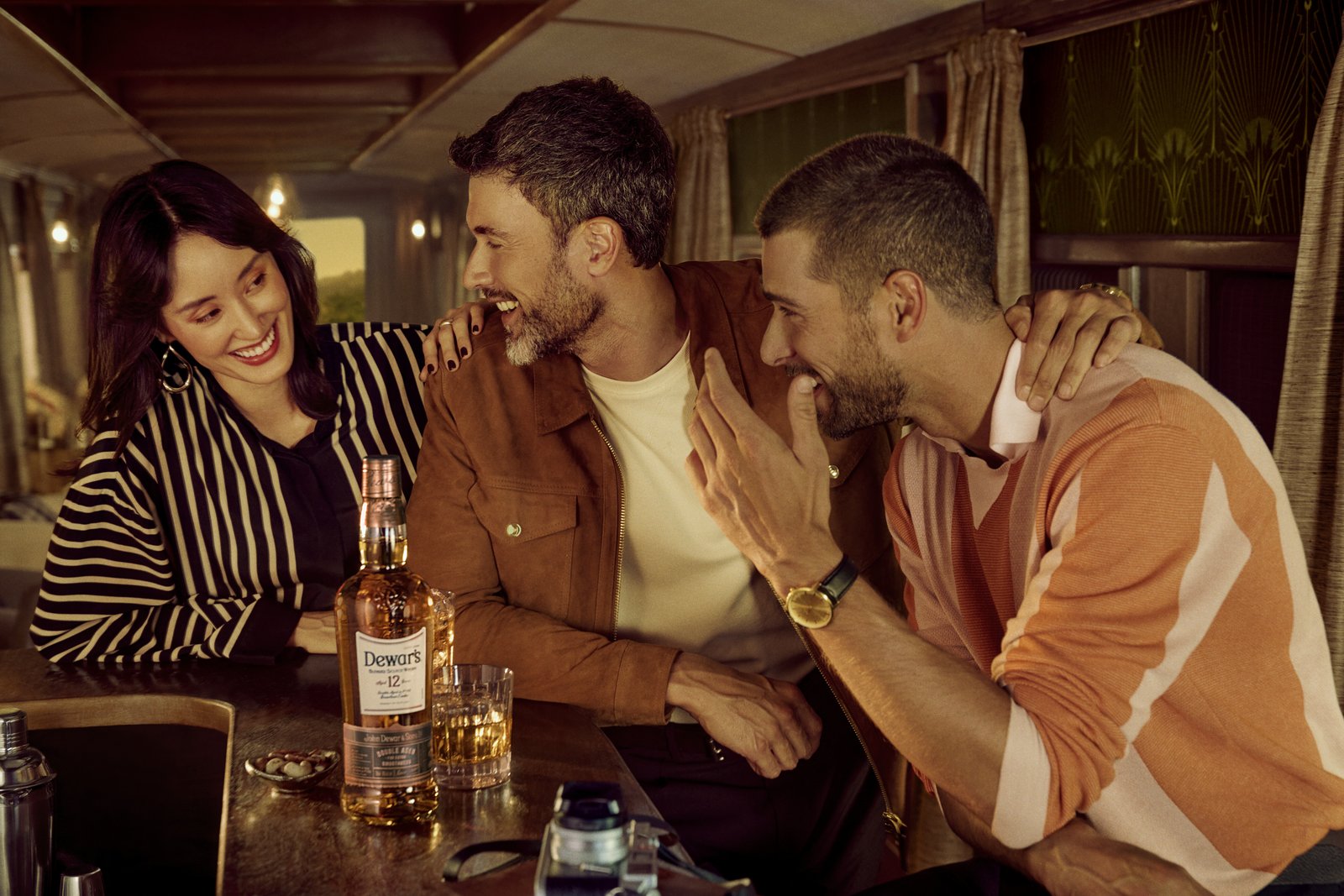

Double aged
for extra
smoothness
Every blend marries its whiskies. Only a few send the finished blend back to oak. Tap to see the difference it makes.
Dewar’s returns the finished blend to oak for a second maturation. The malts and grains marry completely and the spirit turns soft, rounded and unmistakably smooth.
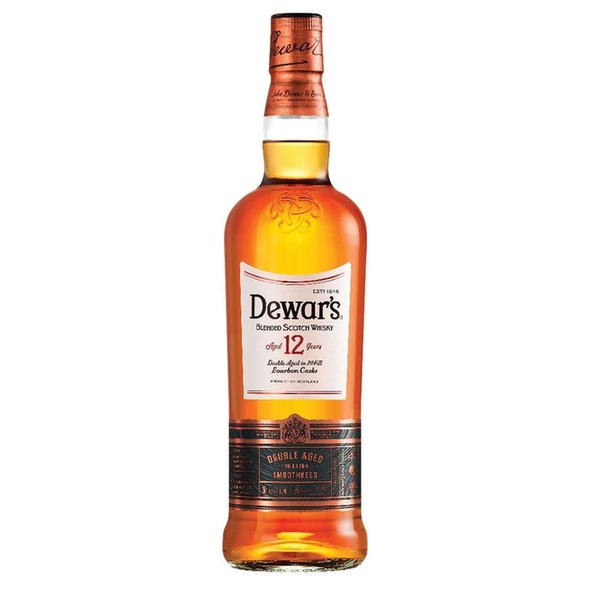
Dewar’s 12.
Aged twelve
years, twice.
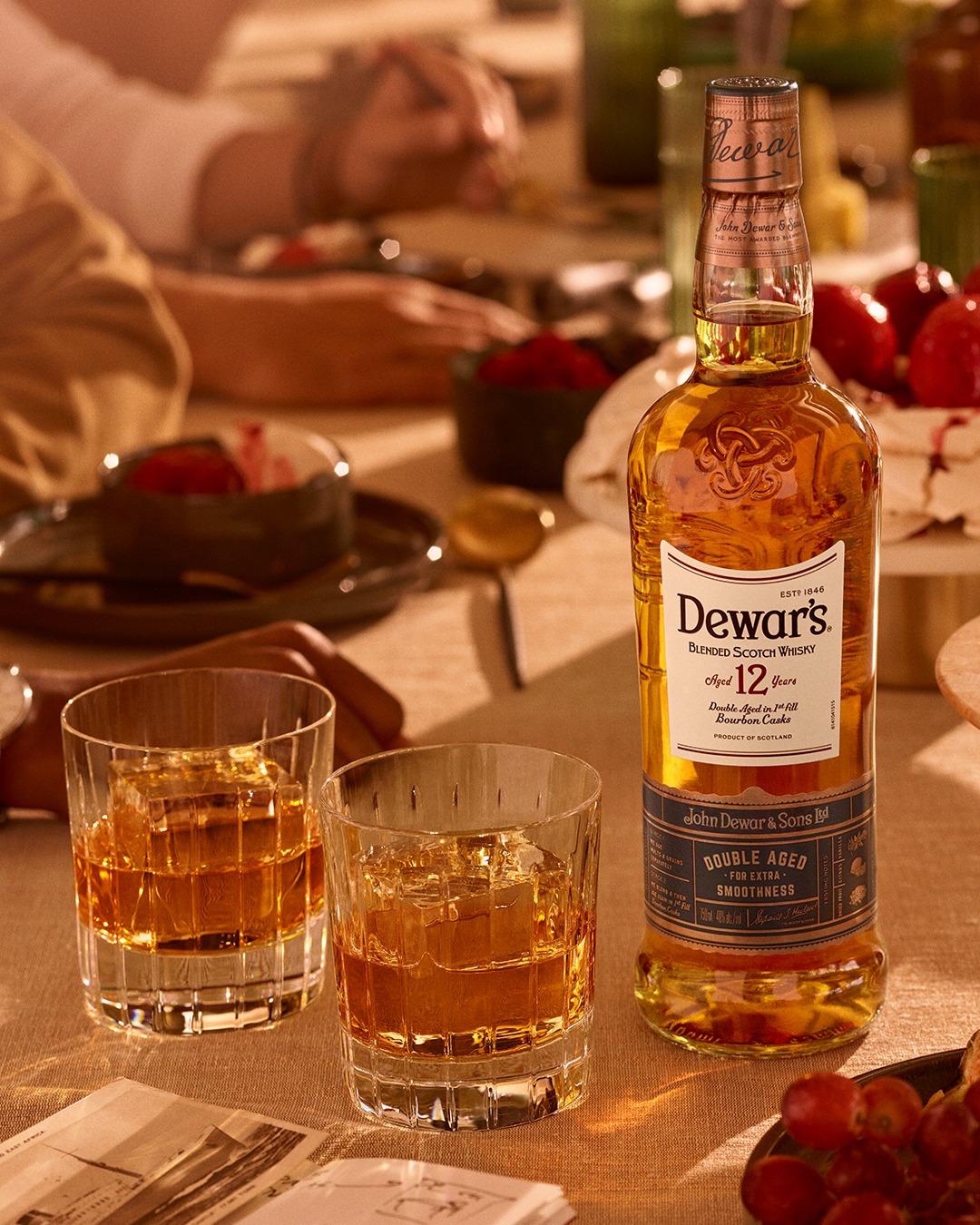
The house that
blended first
In 1846, John Dewar opened a wine and spirits shop in Perth and did what nobody else dared — he blended single malts into one consistent, bottled whisky. The category as you know it started here.
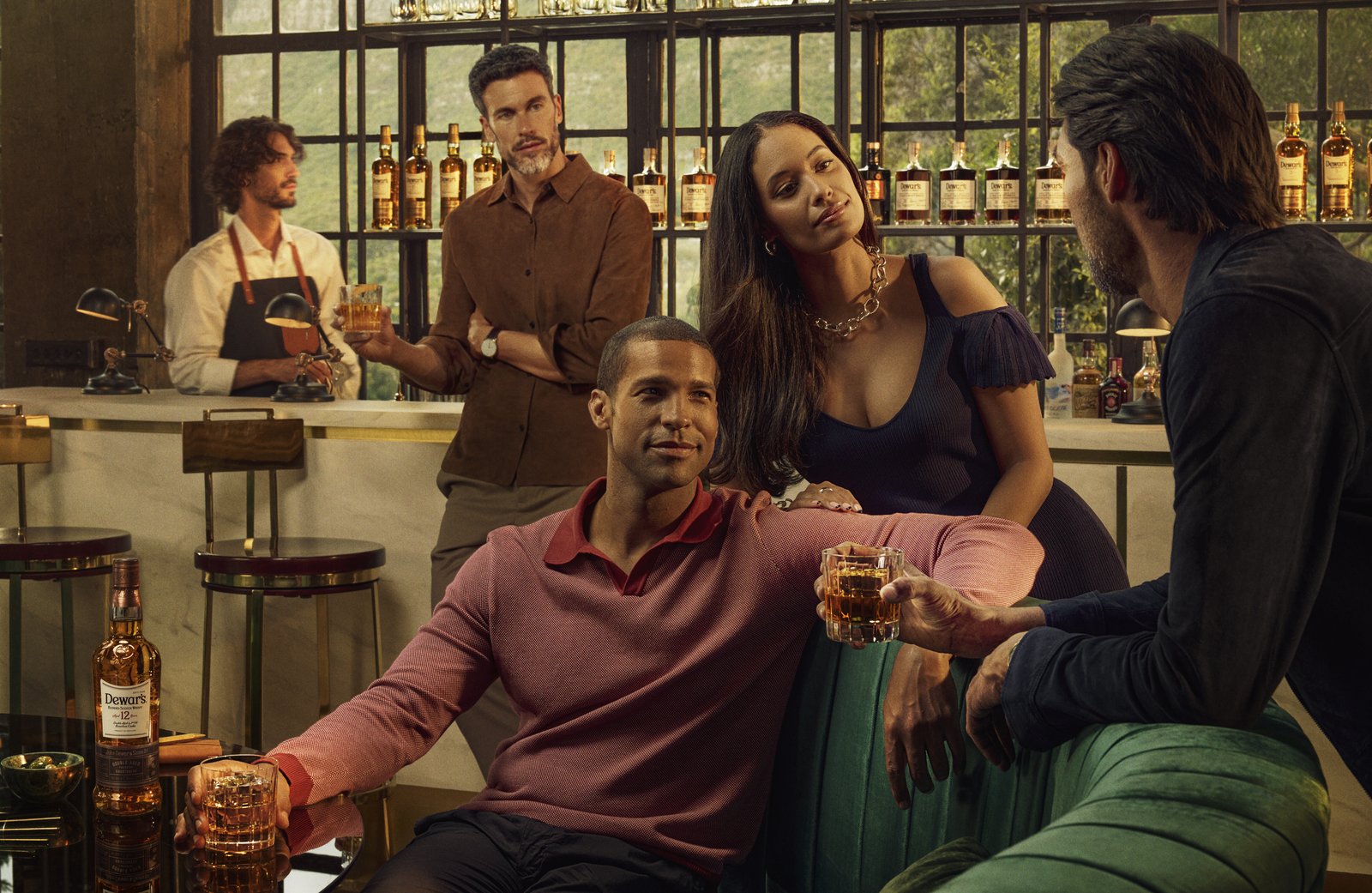
Three steps
most blends skip
Up to 40 malt and grain whiskies are married together in oak, not just mixed in a vat.
The married blend goes back into cask for a final maturation — the double ageing that defines the smoothness.
Aged in first-fill bourbon oak for a deeper draw of vanilla, honey and warm spice.
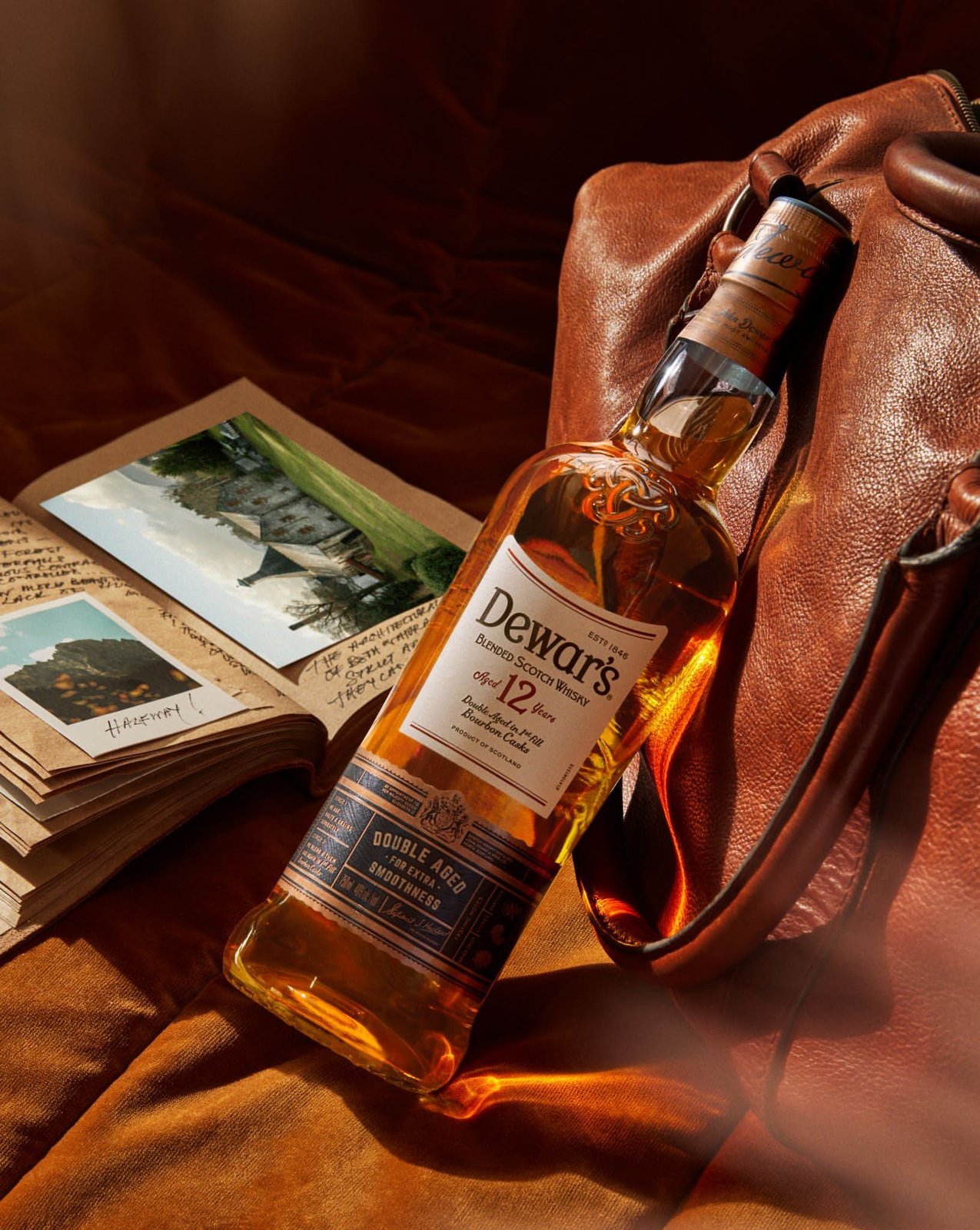
What’s actually
in the pour
Honeyed heather, vanilla oak and a curl of orchard fruit.
Three ways
to pour it
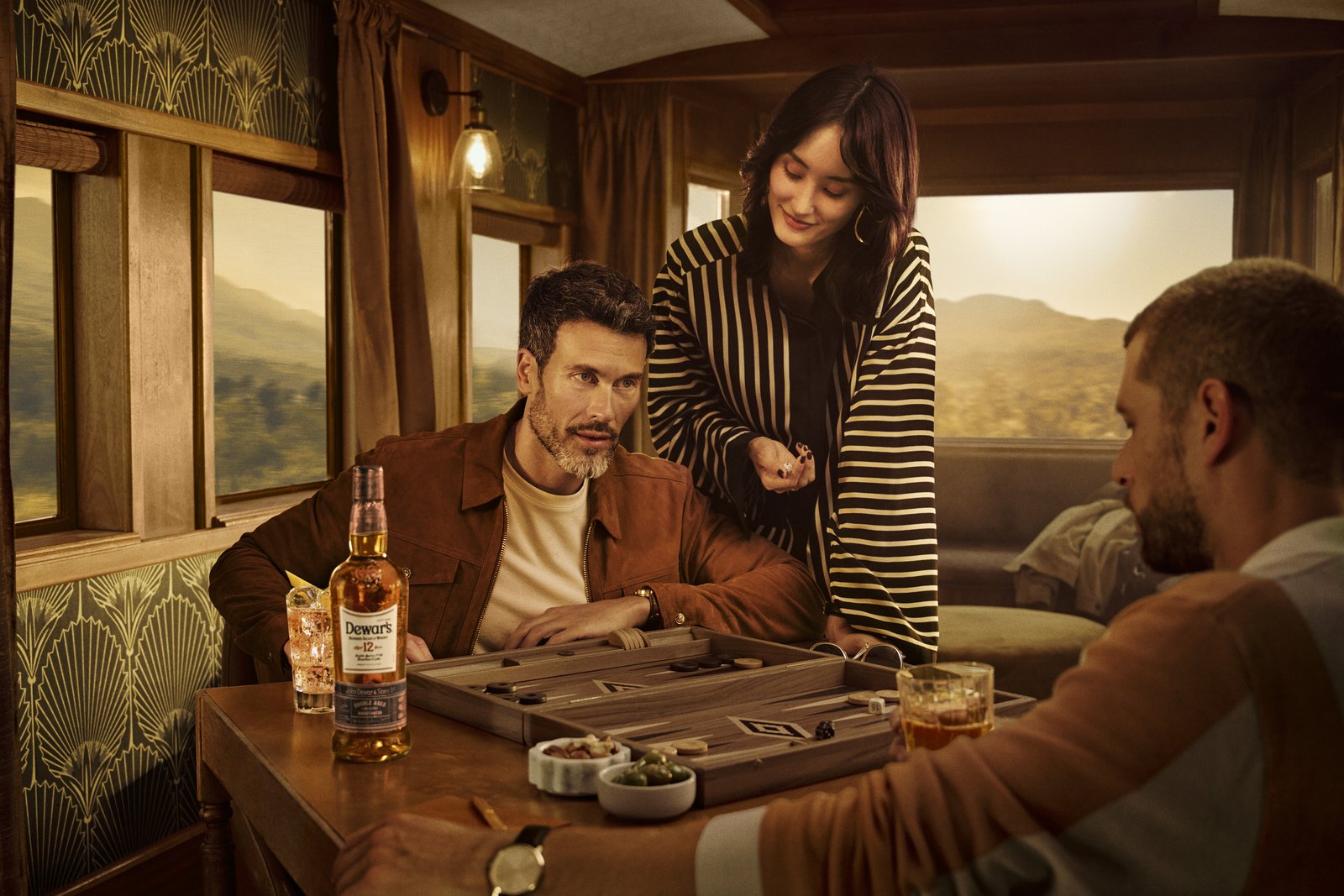
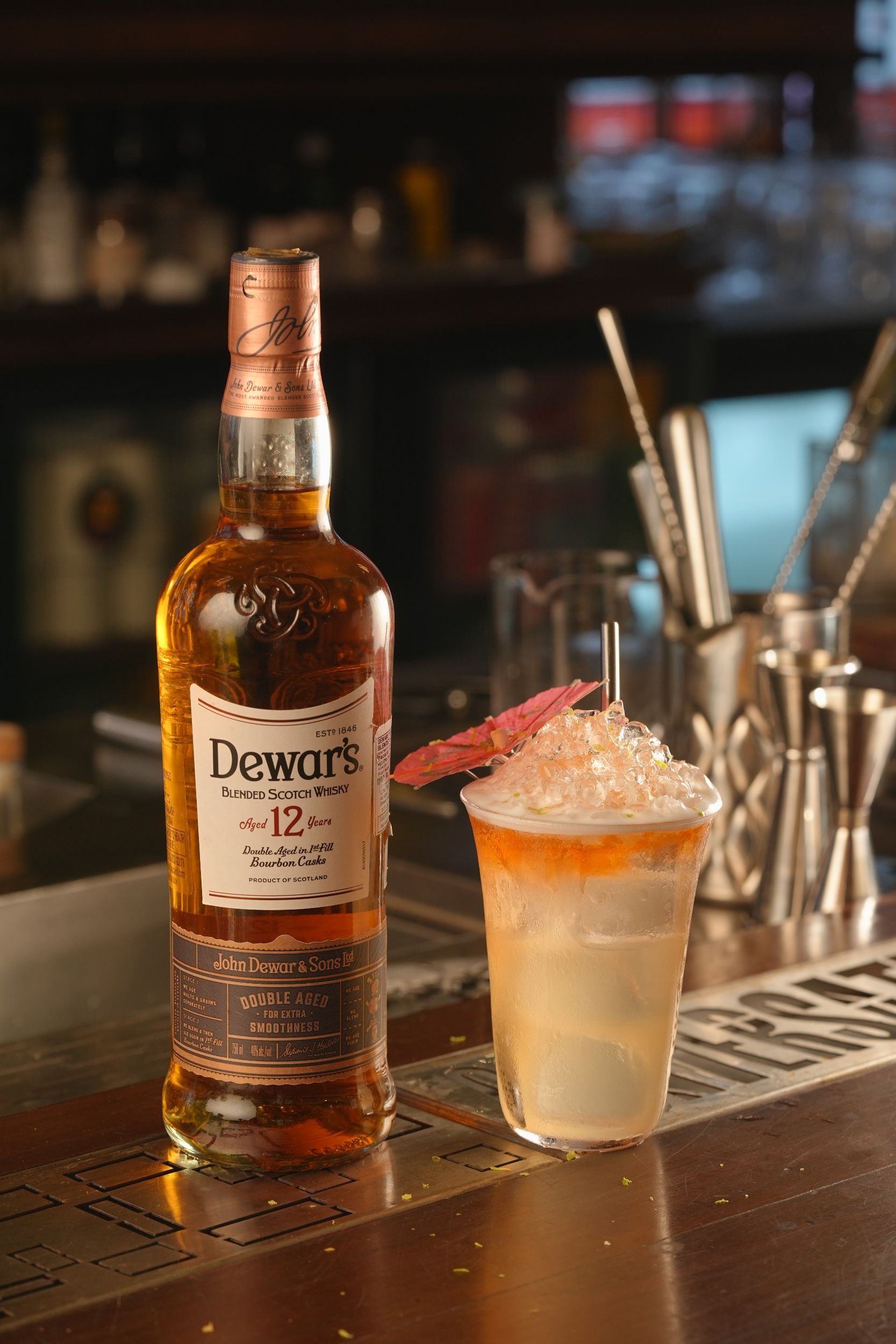
A short pour in a tulip glass. Let the double-aged smoothness speak for itself — no dilution, nothing to hide.
Taste it before
you commit
Dewar’s experiences around Lucknow — try the double-aged smoothness first-hand.
Entries near you
6 of 38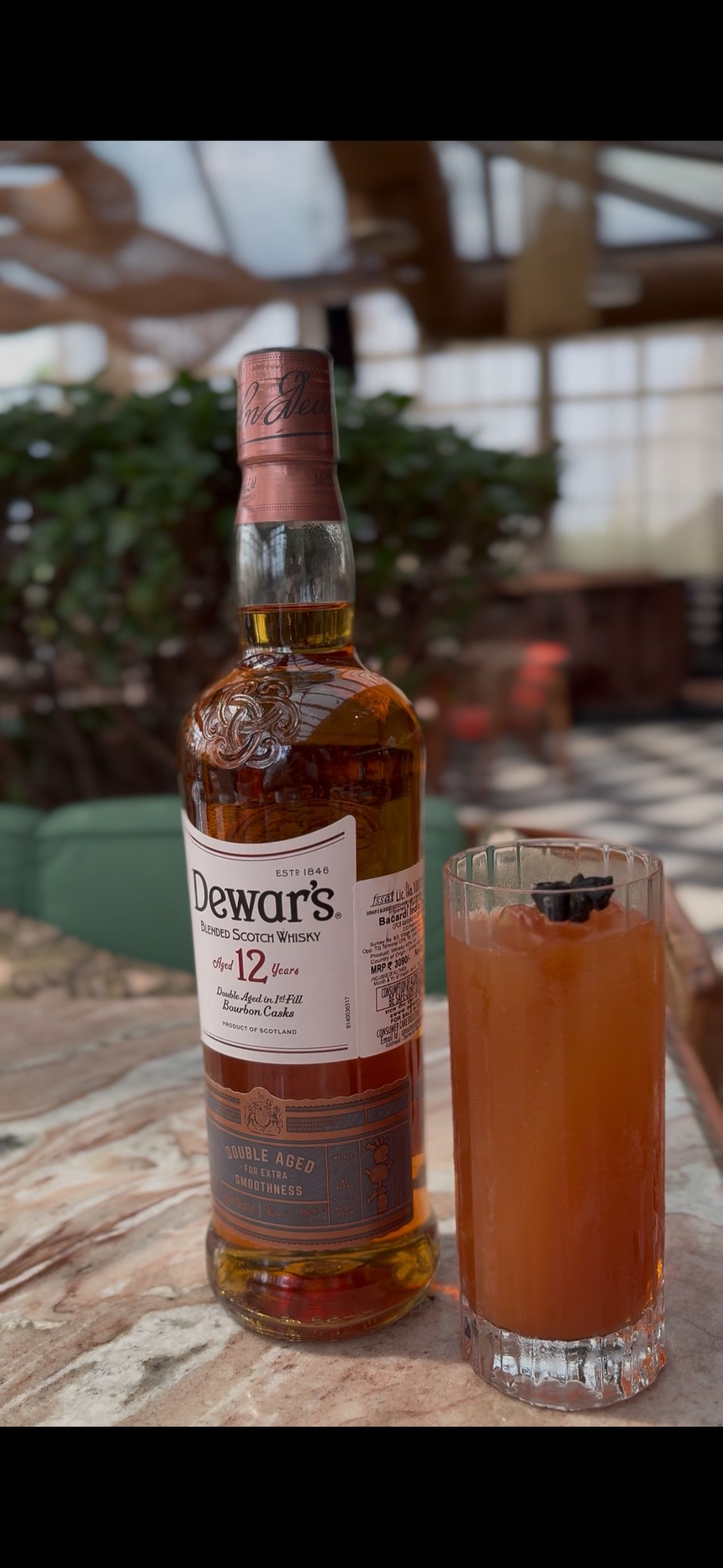
 Biswa raj ghosh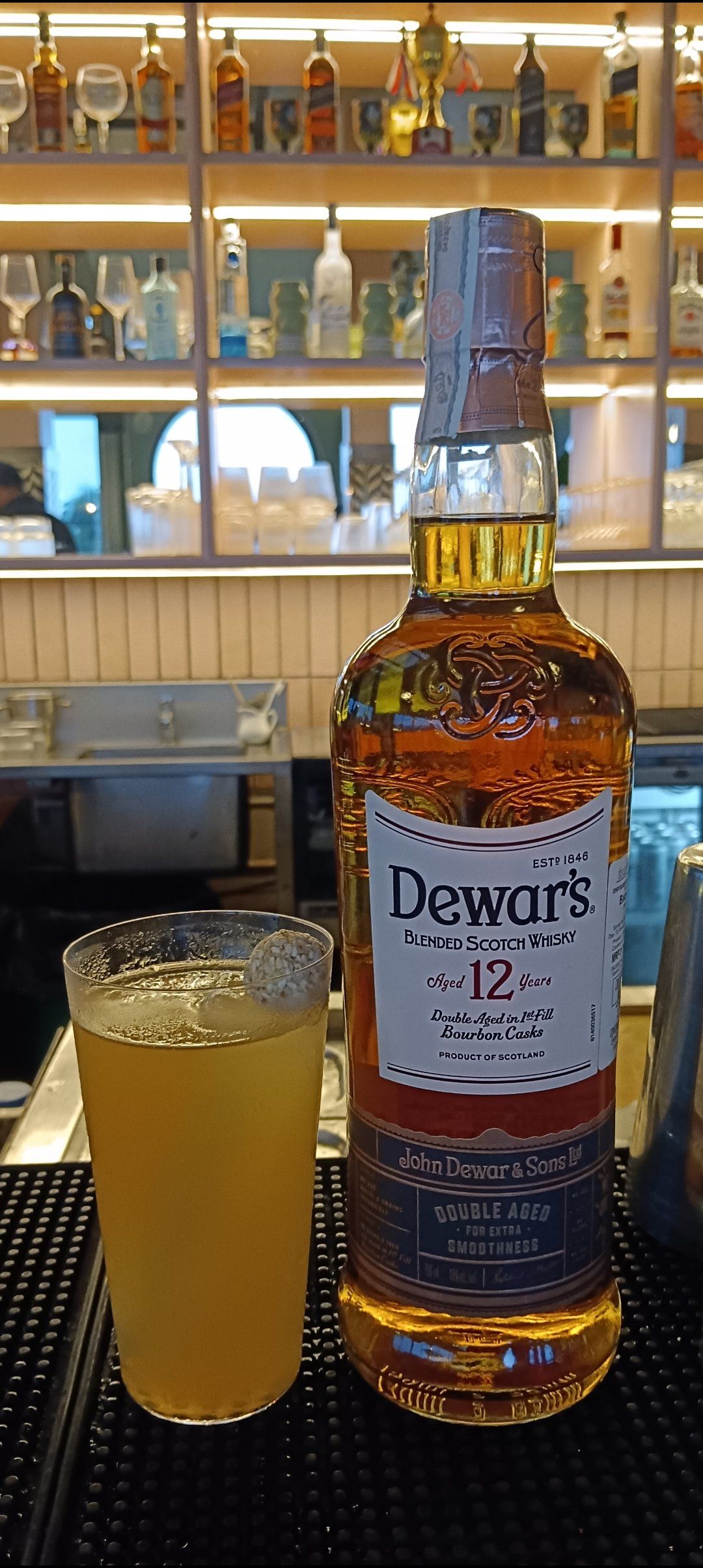
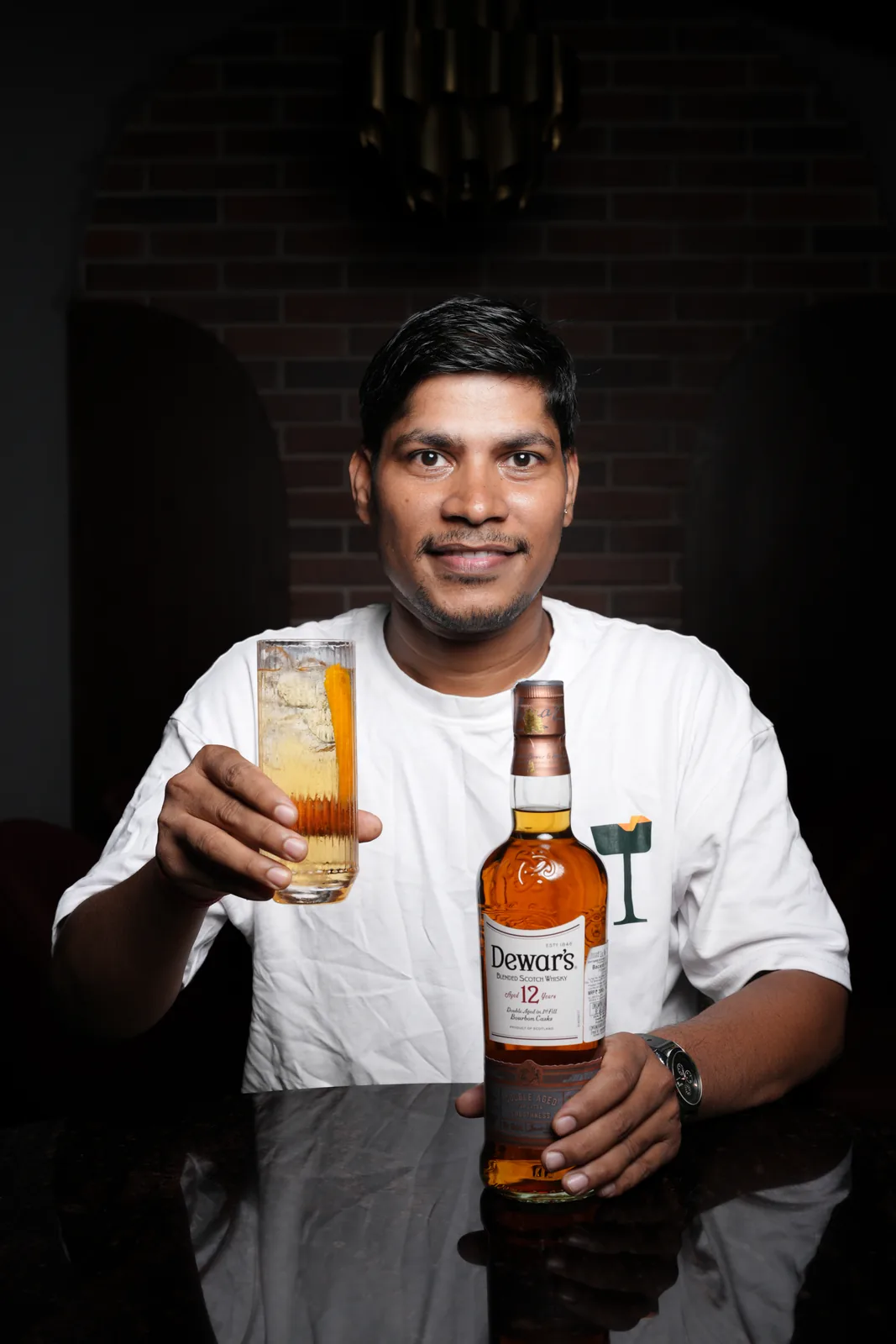 Deepak Kumar Pradhan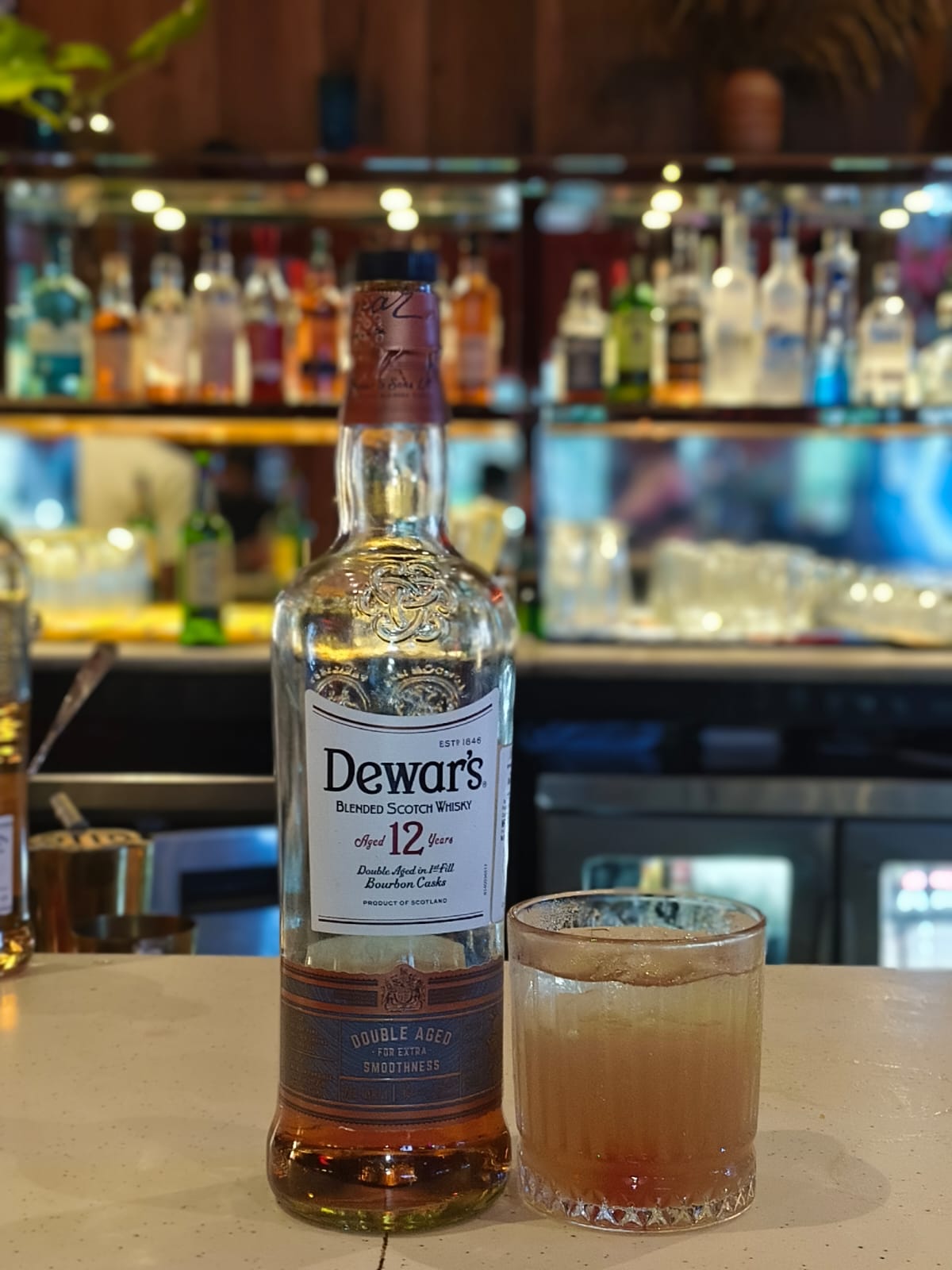

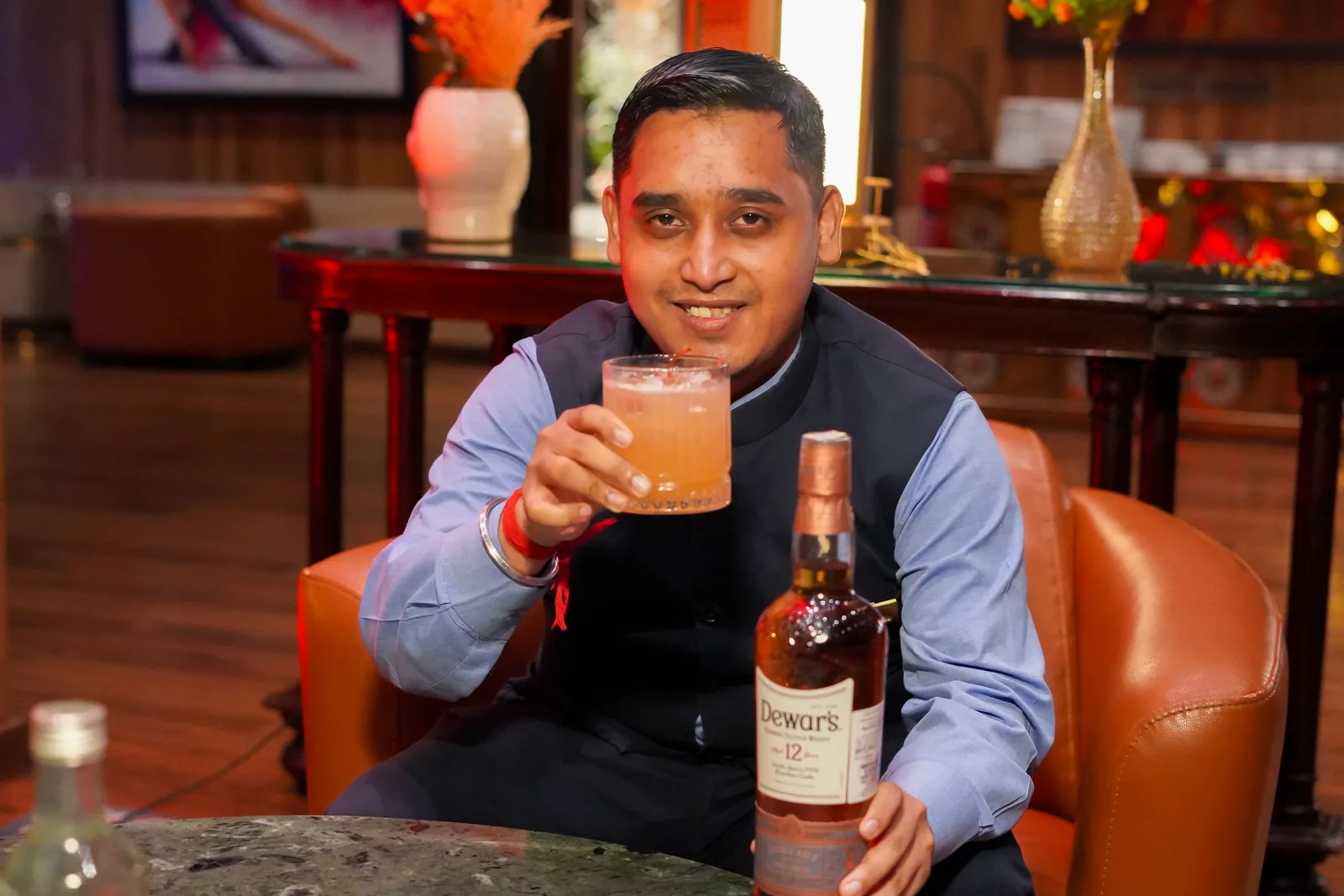 Tathagata Guha

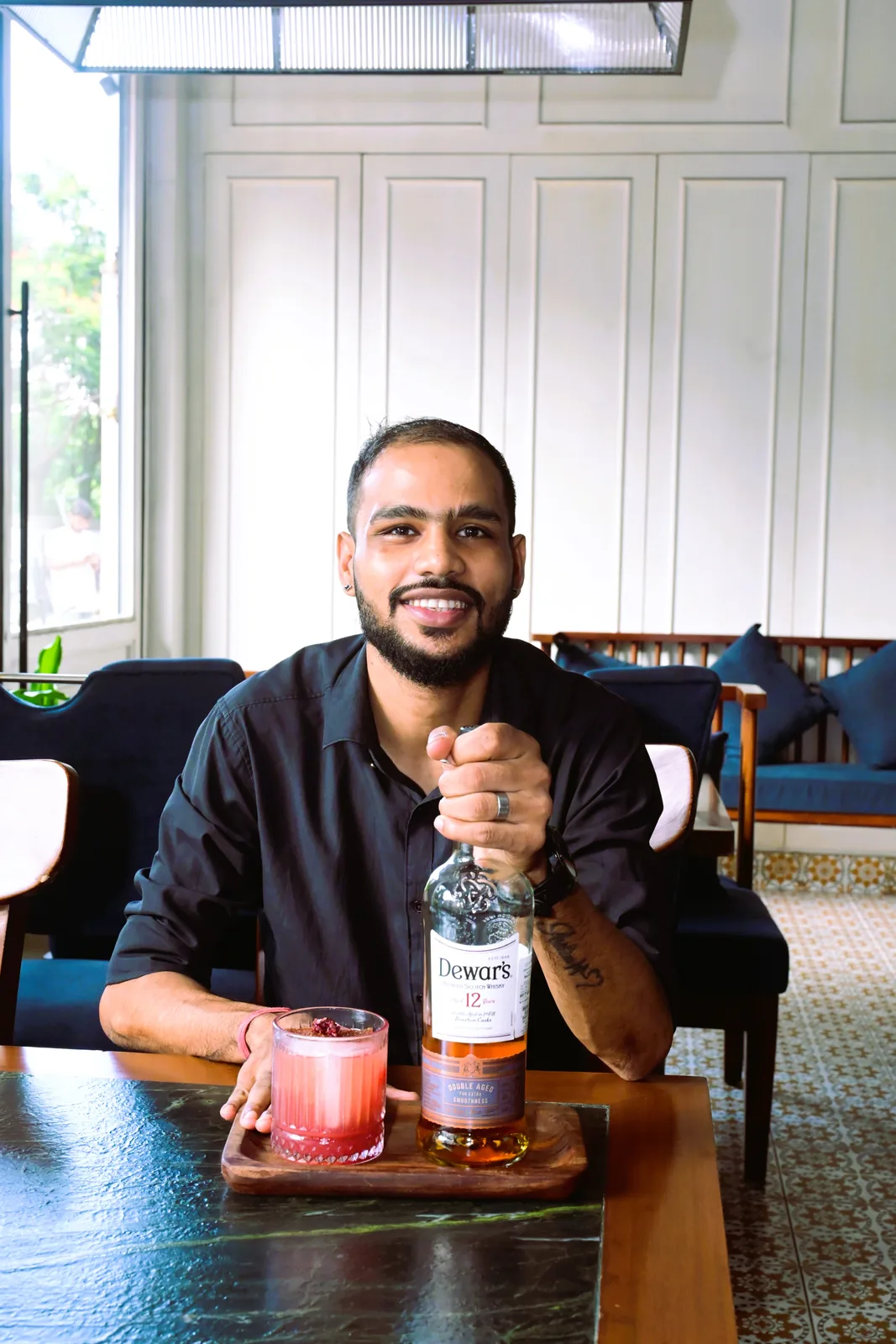 Ashim Das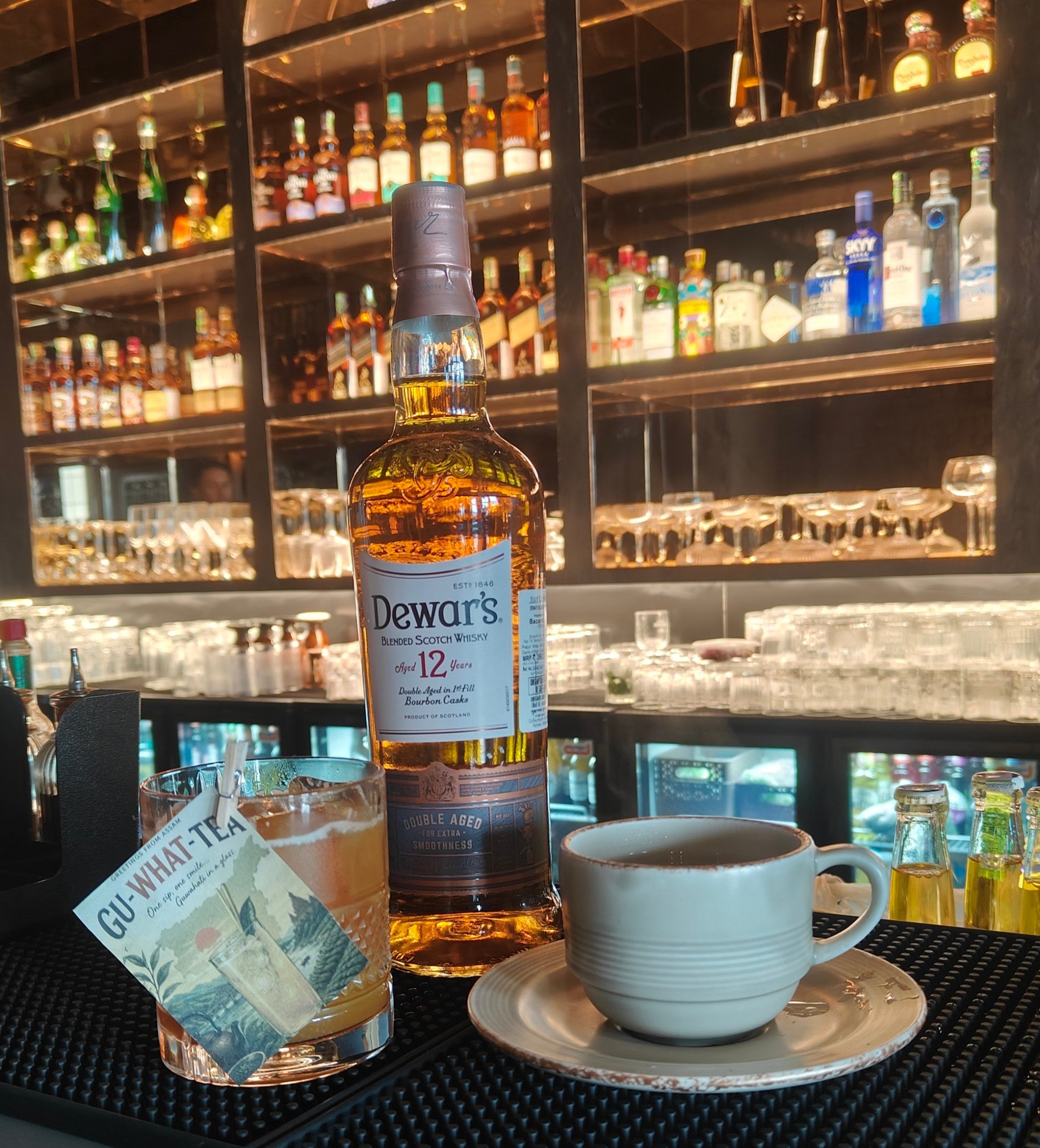


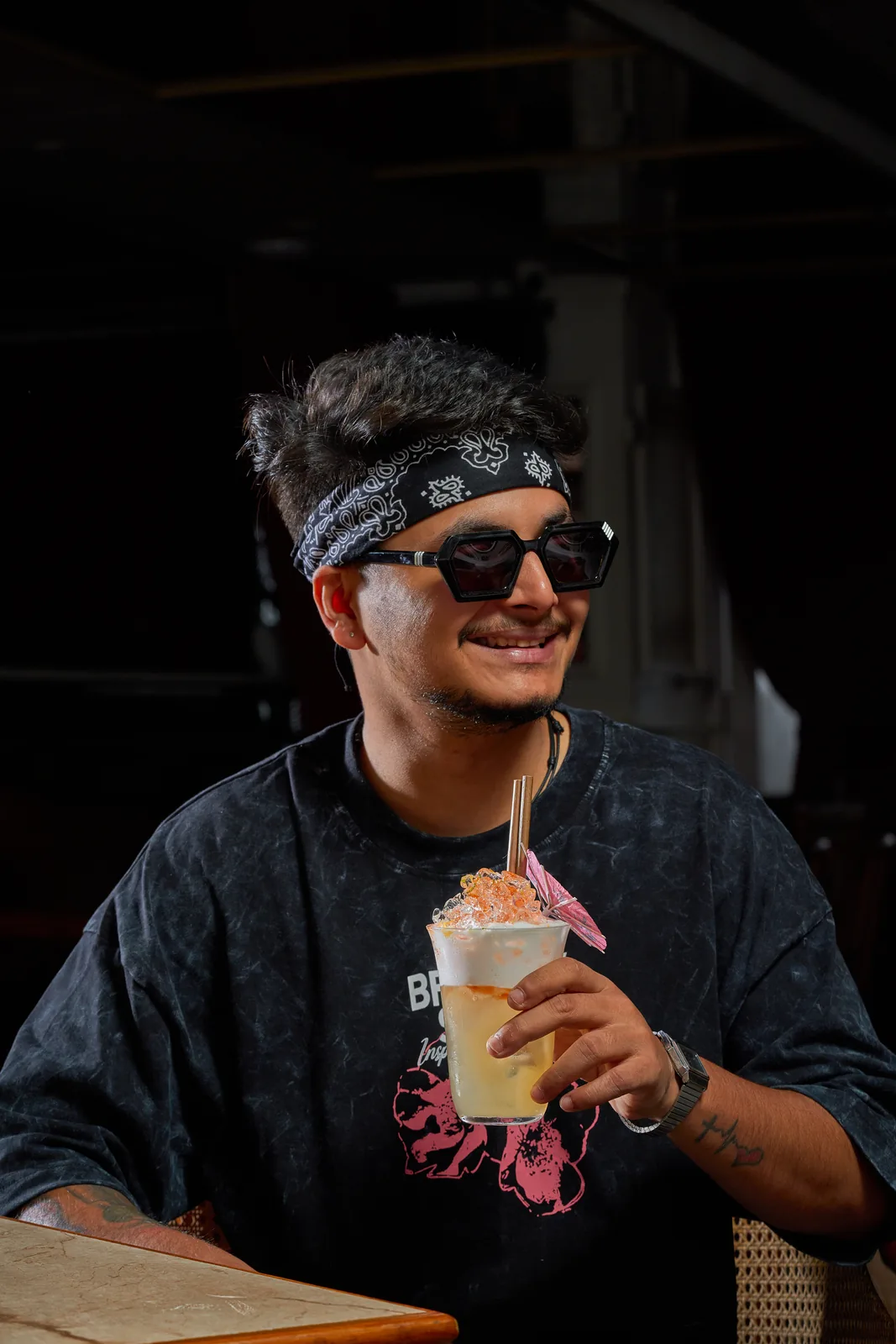 Arka Das Thakur
The full house
of Dewar’s
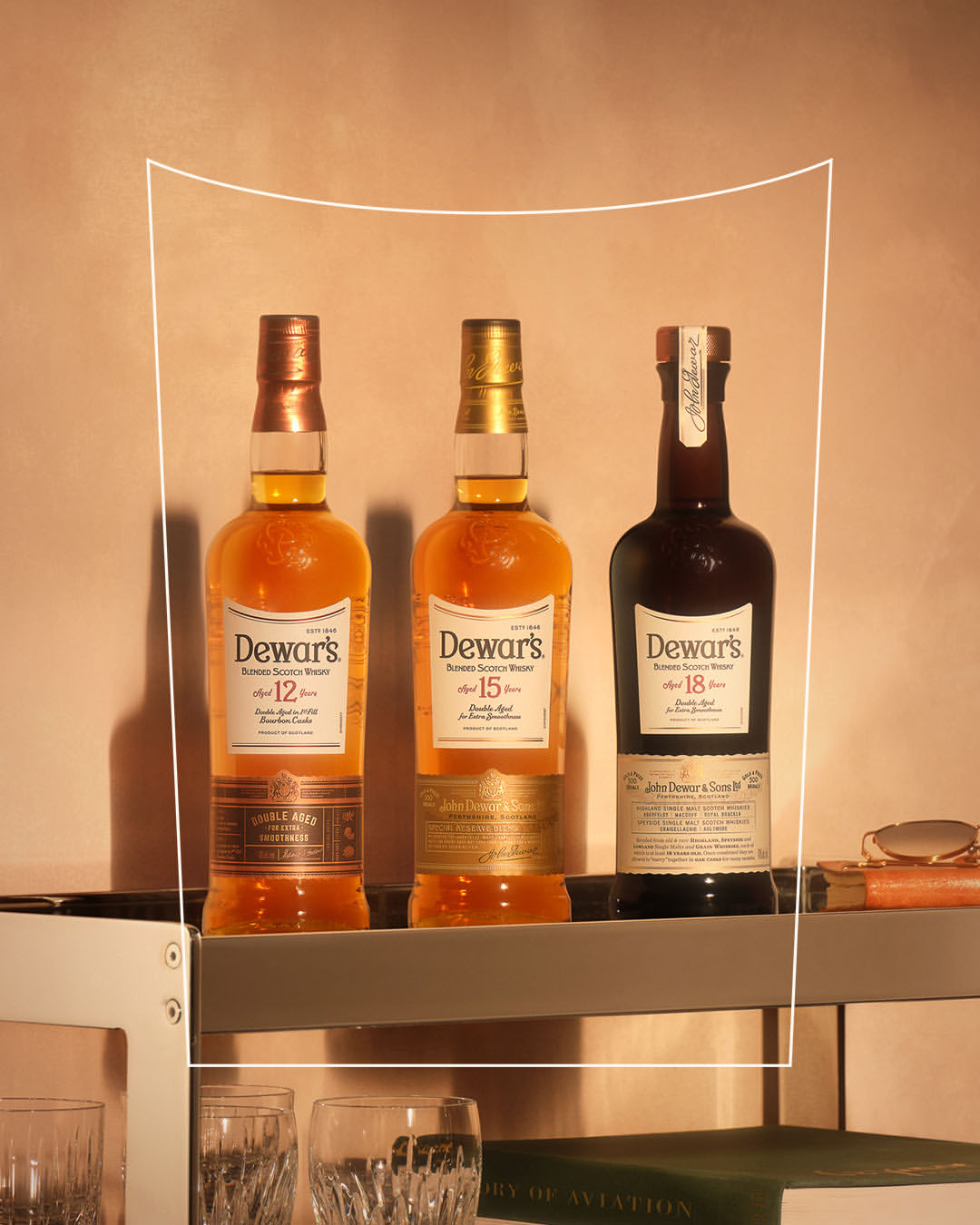
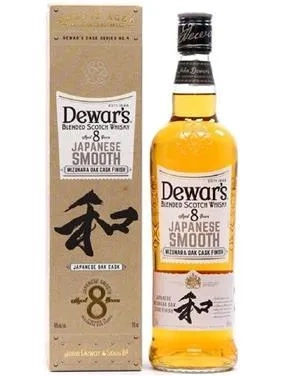
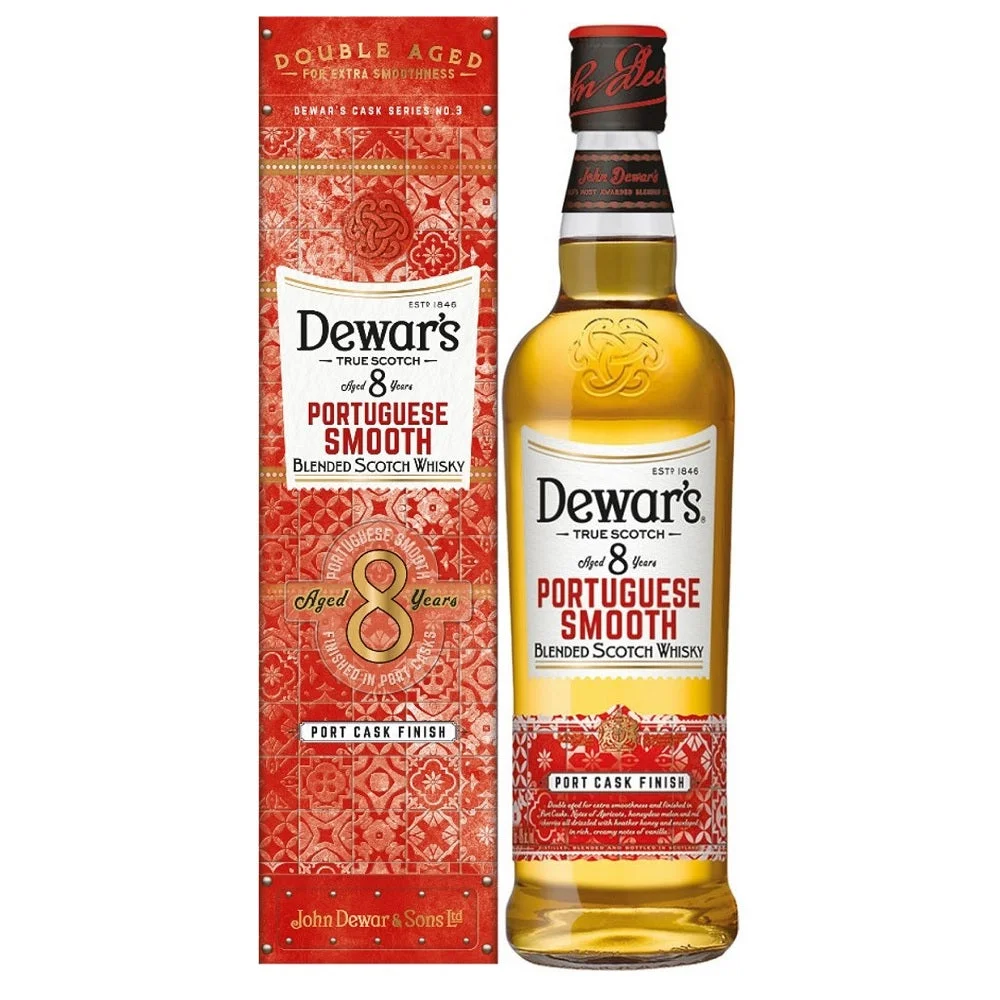
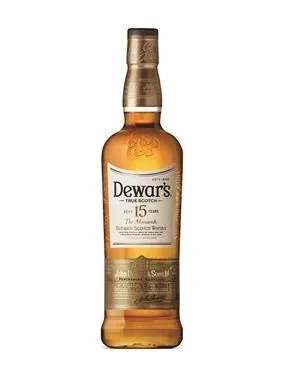
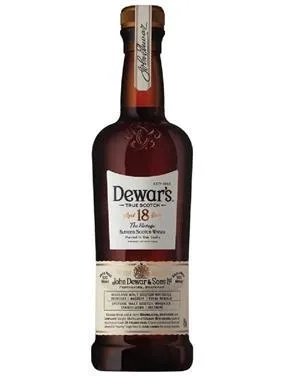
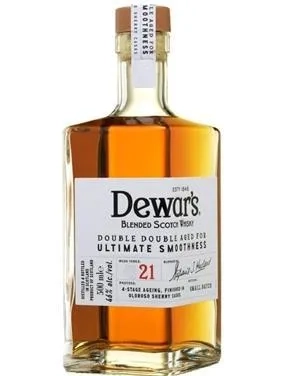
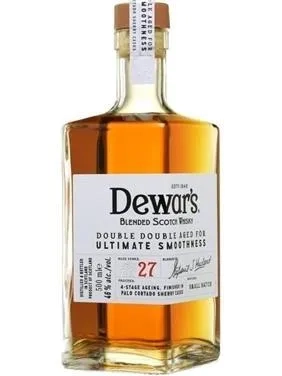
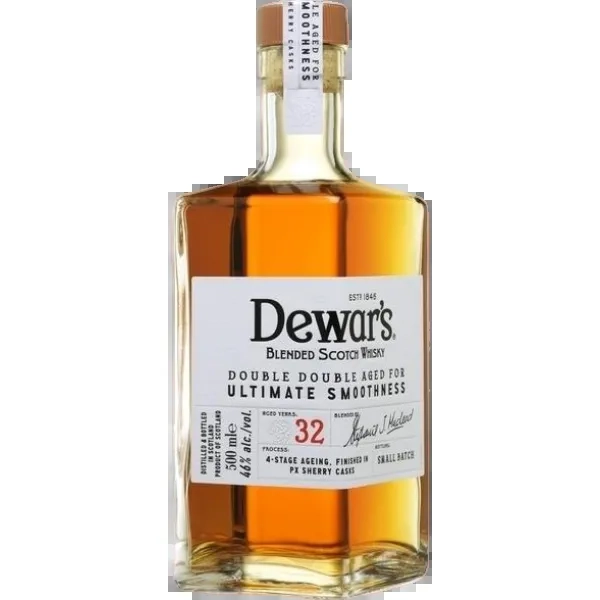
From the everyday White Label to the four-times-aged Double Double — one family, one philosophy, and here is what Lucknow pours.