
@cheerspedia
Herbal Liqueur
💡 Definition
A category of liqueurs made by macerating or distilling herbs, roots, spices, and botanicals — typically bitter, complex, and consumed as digestifs or in cocktails.
What are Herbal Liqueurs?
Herbal liqueurs are the most ancient category of liqueurs — they originated as medicinal tonics in monasteries and apothecaries centuries before becoming bar staples. Each producer guards a proprietary recipe, often involving 50+ botanicals: herbs, roots, barks, spices, citrus peels, flowers, and seeds. The botanicals are typically macerated in alcohol, sometimes distilled, then sweetened and aged. The result is a liqueur that's intensely flavoured, often bittersweet, and famously polarising — Jägermeister, Fernet-Branca, and Chartreuse all have devoted followers and sworn enemies. The category includes amari (Italian bitter liqueurs), German kräuterlikör (herbal liqueurs), and French monastic liqueurs (Chartreuse, Bénédictine).
Major Herbal Liqueur Styles
Jägermeister (Germany) is the most globally recognised — 56 botanicals, sweet-bitter, often served ice-cold as a shot. Fernet-Branca (Italy) is the bitter purist's favourite — intensely bitter with menthol, eucalyptus, and rhubarb. Chartreuse (France) is a 400-year-old monastic liqueur — green (110 botanicals, 55% ABV) and yellow (more honey-forward, 40% ABV). Absinthe is the most controversial — high-alcohol, anise-driven, sometimes containing wormwood. Indian herbal liqueurs are emerging, with Maharani Mahansar producing traditional Rajasthani herbal expressions. Prices on LivCheers range up to ₹4,150.
How to drink Herbal Liqueurs
Three main ways. As a shot — Jägermeister and similar served ice-cold straight down. As a digestif — sip slowly after meals at room temperature; Fernet, Chartreuse, and amari excel here. As a cocktail base — Fernet-Branca in the Toronto, Chartreuse in the Last Word, Jägermeister in modern variations. Most herbal liqueurs are too intense for casual sipping but reward focused tasting. The bitter-herbal complexity is acquired but rewarding.
Frequently Asked Questions
Why does Jägermeister taste medicinal?
Because it was originally medicinal. Jägermeister was developed in 1934 as a digestive tonic — '56 botanicals' includes herbs traditionally used for digestion (gentian, ginger, bitter orange peel, anise, cardamom, juniper). The intense flavour is genuine medicinal heritage, not marketing fiction.
Is Chartreuse really that complex?
Yes — Green Chartreuse contains 130 botanicals according to its monastic recipe, which only two monks at any time know in full. The complexity is genuine and unmatched in the category. The high alcohol (55%) and complex botanical mix produce a liqueur with no real equivalent. Yellow Chartreuse is 40% ABV with fewer botanicals and more honey-sweetness.
What's a good entry to herbal liqueurs?
Jägermeister is the obvious starting point — accessible, reasonably priced, and globally available. From there, try Fernet-Branca (intensely bitter), Aperol (lighter and citrusy), or Chartreuse (the connoisseur's choice, but expensive). Each represents a different style within the broader herbal-liqueur category.
Published: 2026-04-29
Featured Products
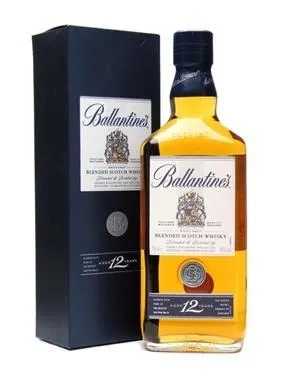
Brand: Ballantines
Ballantine Aged 12 Yrs Blended Scotch Whisky
750ML
Overall Rating: 4.4
₹3,390
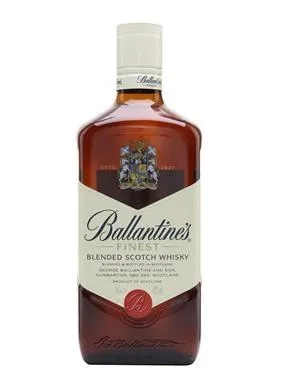
Brand: Ballantines
Ballantine Finest Blended Scotch Whisky
750ML
Overall Rating: 4.7
₹1,840
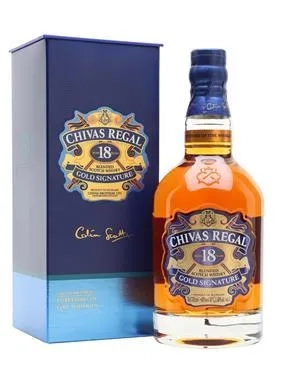
Brand: Chivas Regal
Chivas Regal 18 Yrs Blended Scotch Whisky
750ML
Overall Rating: 4.4
₹9,495
Brand: John Barr
John Barr Reserve Blended Scotch
750ML
Overall Rating: 4.5
₹2,065
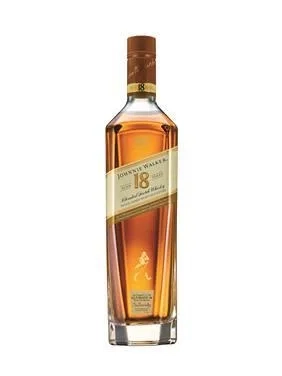
Brand: Johnnie Walker
Johnnie Walker 18 Yrs
750ML
Overall Rating: 4.8
₹12,640
All Categories


Disclaimer:
- We aggregate data from multiple public sources, hence actual prices may vary, visit local retailers for latest information.
- We do not offer Home Delivery. Be aware of fraudsters.
- Drink Less. Drink Better. Drink Responsibly.
- Reach out to us contact@livcheers.com