@cheerspedia
Blended Indian
💡 Definition
A whisky made by blending imported Scotch malt whisky with Indian-produced grain spirit (often ENA), bottled domestically and classified as Indian Made Foreign Liquor (IMFL).
What is Blended Indian Whisky?
Blended Indian whisky is the largest whisky category in the world by volume — and almost entirely consumed in India. It is produced by blending imported malt whisky (typically Scotch) with locally produced grain spirit, which is often Extra Neutral Alcohol (ENA) derived from molasses or grain. The blend is then aged briefly, sometimes flavoured with caramel for colour consistency, and bottled. While it does not qualify as 'Scotch whisky' under Scottish or EU law, it is the everyday whisky of choice for the majority of Indian drinkers and forms the backbone of brands like Royal Stag, Blenders Pride, McDowell's No.1, and Imperial Blue.
💡 Fact
India consumes more whisky than any other country on earth — and over 90% of that volume is Blended Indian whisky.
How Blended Indian Whisky is made
Indian distilleries import bulk Scotch malt whisky from Scotland and produce or buy domestic grain spirit (ENA) made from molasses or grain.
The blender determines the malt-to-grain ratio. Premium blends use 15–25% imported malt; entry-level blends may use as little as 5%. Higher malt content delivers more whisky character.
The blend rests for a few months — sometimes longer — in vats or used casks, allowing the malt and grain components to integrate into a unified flavour.
The matured blend is reduced to bottling strength (typically 42.8% ABV in India) using demineralised water, filtered, and bottled. Caramel may be added for colour consistency.
Blended Indian Whisky vs Blended Scotch
The difference is not about quality — it's about category. Blended Indian whisky is engineered for the Indian drinking ritual: long pours, soda, ice, conversation. Blended Scotch is a different product made under different rules. Both have their place.
What does Blended Indian Whisky taste like?
Across 389 Blended Indian products on LivCheers, the most common tasting descriptors are smooth (a near-universal note), oak, caramel, vanilla, spice, and grain. The category is built around accessibility — the flavour profile is intentionally rounded, slightly sweet from caramel and grain, with mild oak warmth. Unlike single malts or premium Scotch, Blended Indian whisky doesn't punch you with smoke, brine, or sherry — and that's exactly why it works with Indian food, soda, and long-session drinking.
How to drink Blended Indian Whisky
The traditional Indian way is whisky-soda — a 30ml peg with chilled soda over ice. Premium blends like Royal Stag Barrel Select or Signature Premier also work neat or on the rocks. Avoid mixing premium expressions with cola; the sweetness fights the malt. For everyday blends like Royal Stag, McDowell's No.1, or Imperial Blue, soda is the move — it's the way these whiskies were designed to be enjoyed, and how generations of Indians drink them.
💡 Tip
If you've only ever had Blended Indian whisky with soda, try a premium expression (Blenders Pride Reserve, Signature Premier) neat with one ice cube. You'll taste the malt component for the first time.
Blended Indian Whisky in India
This is the everyday whisky of India. Royal Stag alone sells over 25 million cases per year, making it one of the world's largest-selling whisky brands. Blenders Pride, McDowell's No.1, Imperial Blue, and Royal Challenge round out the top tier. The price range on LivCheers spans from accessible entry-level bottles to premium expressions under ₹5,000 — covering the entire spectrum of Indian whisky consumption from college-budget to celebration-grade.
Frequently Asked Questions
Is Blended Indian Whisky real whisky?
Internationally, no — most Blended Indian whisky uses ENA (a neutral spirit derived from molasses) which doesn't qualify as 'whisky' under Scottish or EU law. In India, it is legally classified as whisky and is what 90%+ of Indian whisky drinkers consume daily. Premium Blended Indians use higher malt percentages and meet international whisky standards more closely.
What is the difference between Blended Indian and Indian Single Malt?
Indian single malts (Amrut, Paul John, Indri, Rampur) are made from 100% malted barley at one distillery, distilled in copper pot stills, and aged in oak casks — qualifying as whisky by any global standard. Blended Indian whisky uses imported malt blended with domestic grain spirit and is a fundamentally different product at a different price point.
Which Blended Indian whisky brands are most popular?
By volume, Royal Stag, McDowell's No.1, Imperial Blue, Blenders Pride, and Officer's Choice dominate the Indian market. On LivCheers, the most viewed brands include Royal Stag, Blenders Pride, 8 PM, and Royal Challenge across the ₹400 to ₹4,955 price range.
Why is Blended Indian whisky cheaper than Scotch?
Three reasons. First, the ENA base is significantly cheaper to produce than all-malt Scotch. Second, Indian production avoids import duties that make even basic Scotch expensive. Third, lower aging requirements (months vs. years) reduce inventory holding costs. The result is a whisky priced for everyday consumption rather than special occasions.
Published: 2026-04-29
Featured Products
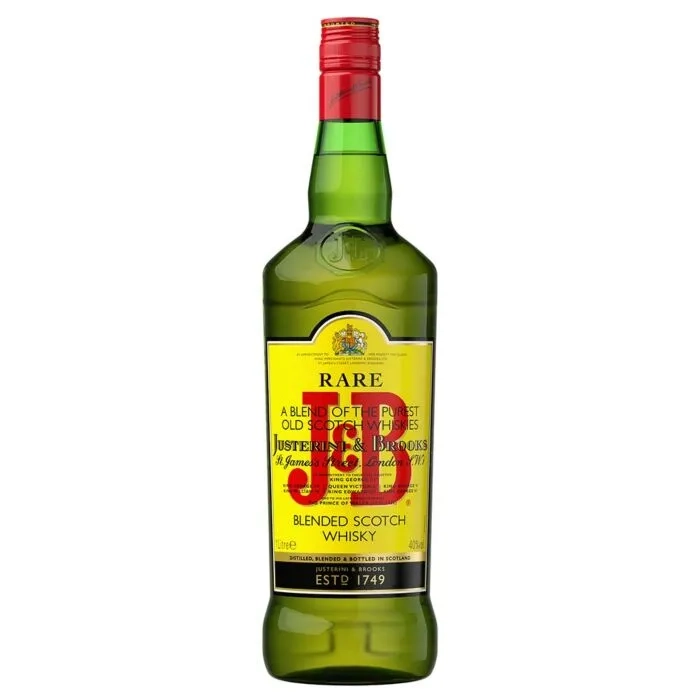
Brand: J&B
J&B Rare
750ML
Overall Rating: 4.6
₹2,640
Brand: John Barr
John Barr Reserve Blended Scotch
750ML
Overall Rating: 4.5
₹2,620
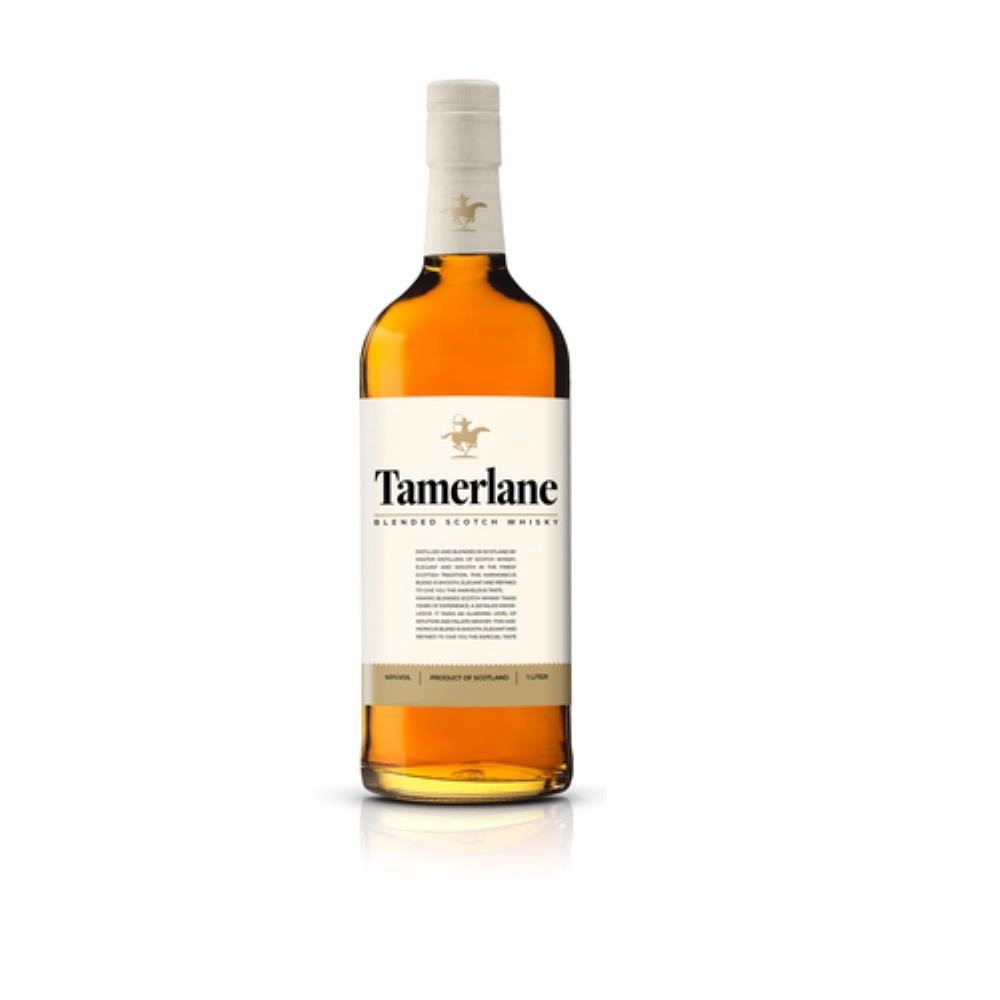
Brand: Tamerlane
Tamerlane
750ML
Overall Rating: 4.6
₹2,690
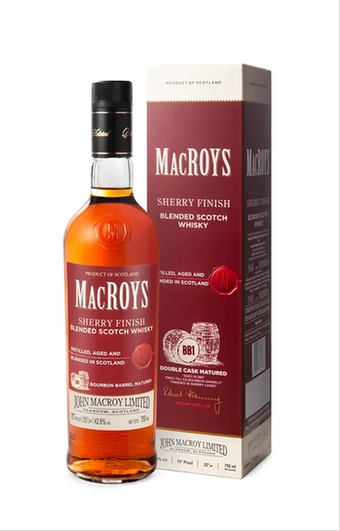
Brand: Macroys
Macroys Sherry Finish Blended Scotch Whisky
750ML
Overall Rating: 4.5
₹3,440
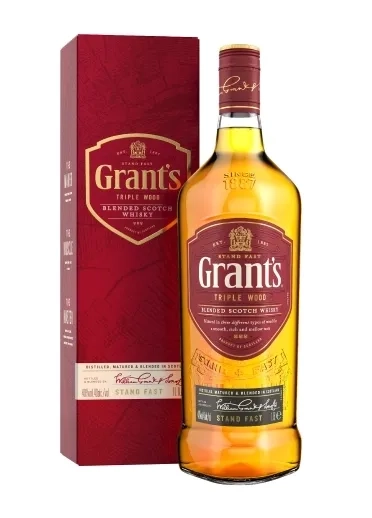
Brand: Grants
Grant Blended Scotch Whisky The Family Res
750ML
Overall Rating: 4.3
₹2,570
All Categories


Disclaimer:
- We aggregate data from multiple public sources, hence actual prices may vary, visit local retailers for latest information.
- We do not offer Home Delivery. Be aware of fraudsters.
- Drink Less. Drink Better. Drink Responsibly.
- Reach out to us contact@livcheers.com