
@cheerspedia
Bitters & Aperitifs
💡 Definition
A category of low-to-mid alcohol beverages designed to be consumed before meals — including vermouth, Campari, Aperol, Lillet, and similar bitter-sweet aperitifs. Essential for many classic cocktails.
What are Bitters and Aperitifs?
Aperitifs (from Latin 'aperire' — to open) are drinks designed to be consumed before meals to stimulate appetite. They're typically low to moderate in alcohol (15–25%), bittersweet rather than sweet, and meant to prepare the palate for food. Vermouth (fortified wine flavoured with herbs and spices) is the foundational aperitif — Martini, Cinzano, Carpano. Campari (Italian bitter aperitif) and Aperol (lighter, more orange-forward) are the iconic bitters. Lillet (French aromatised wine) is more elegant and floral. Together, these define the European pre-dinner drinking tradition. They're also essential cocktail ingredients — the Negroni, the Spritz, the Manhattan, and many others depend on them.
Aperitif vs Digestif
Iconic Cocktails
The Negroni — equal parts gin, Campari, and sweet vermouth, with an orange peel garnish. The most balanced bitter-sweet cocktail ever invented. The Aperol Spritz — Aperol, Prosecco, soda water with an orange slice. Italy's national pre-dinner drink. The Americano — Campari, sweet vermouth, soda water with a lemon twist. The lighter, lower-alcohol predecessor to the Negroni. The Manhattan — bourbon or rye, sweet vermouth, Angostura bitters with a cherry. The Martini — gin and dry vermouth, stirred, with an olive or lemon twist. Each of these depends on a quality aperitif — the cheaper substitutes don't deliver the same balance.
Frequently Asked Questions
Does vermouth need refrigeration after opening?
Yes — vermouth is wine-based and oxidises rapidly once opened. Refrigerate and consume within 4–6 weeks. After this, it doesn't go bad but loses freshness and nuance. Buy smaller bottles if you don't make many cocktails — a 750ml bottle of vermouth often expires before it's used.
What's the difference between Aperol and Campari?
Both are Italian bitter aperitifs from the same parent company, but they're different products. Campari is significantly more bitter (24% ABV, intense bitter-orange-rhubarb character). Aperol is lighter and sweeter (11% ABV, orange-forward). Aperol is the gateway aperitif; Campari is the connoisseur's choice.
Can I drink aperitifs without making cocktails?
Absolutely — that's the original purpose. Vermouth on the rocks with a citrus twist is a perfect Italian-style aperitif. Aperol with soda and ice is excellent. Campari with soda (Americano-style) is timeless. The aperitif tradition predates modern cocktail culture by centuries.
Published: 2026-04-29
Featured Products
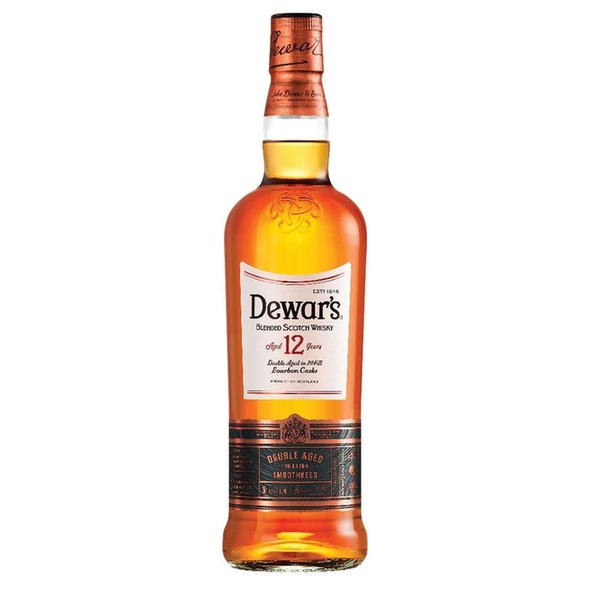
Brand: Dewars
Dewars 12 Years
750ML
Overall Rating: 4.7
₹3,680
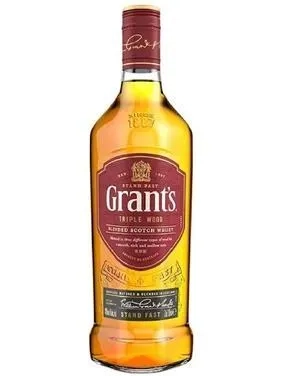
Brand: Grants
Grants Triple Wood
750ML
Overall Rating: 4.6
₹2,810
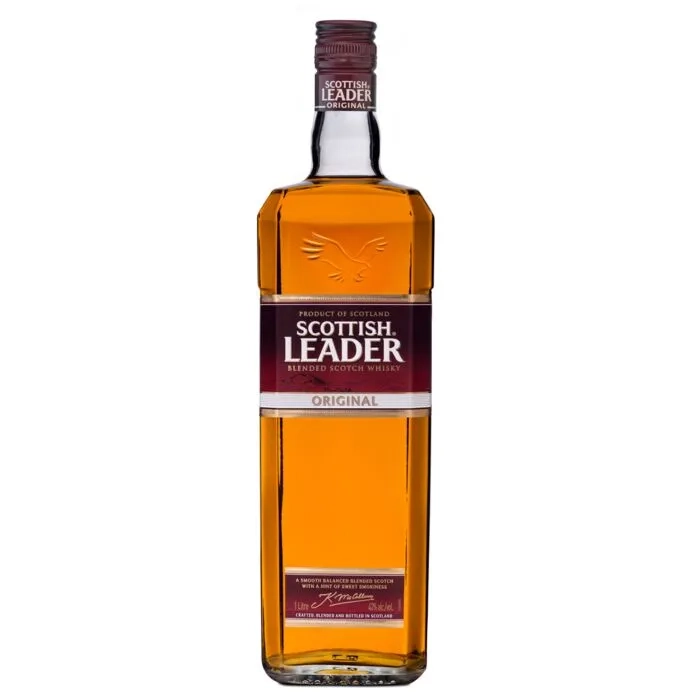
Brand: Scottish Leader
Scottish Leader Blended Scotch Whisky
750ML
Overall Rating: 4.7
₹2,310
Brand: Glendog
Glendog Blended Scotch Whisky
750ML
Overall Rating: 4.4
₹2,160
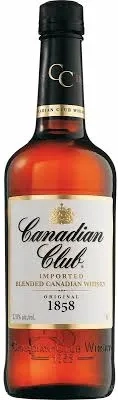
Brand: Canadian Club
Canadian Club Imported Blended Canadian Whisky
750ML
Overall Rating: 4.6
₹2,210
All Categories


Disclaimer:
- We aggregate data from multiple public sources, hence actual prices may vary, visit local retailers for latest information.
- We do not offer Home Delivery. Be aware of fraudsters.
- Drink Less. Drink Better. Drink Responsibly.
- Reach out to us contact@livcheers.com