@cheerspedia
Oak
💡 Definition
A tasting descriptor for the influence of oak barrel aging on a drink — contributing flavours of vanilla, caramel, toast, spice, dried fruit, and structural tannin. Oak is one of the most important variables in wine and spirit production.
How Oak Shapes Drinks
Oak aging is one of the most important transformative steps in producing premium wines and spirits. Oak barrels contribute multiple things: vanilla and toast from compounds called lactones; clove, cinnamon, and spice from lignin breakdown products; tannin and structure from wood polyphenols; colour pigmentation; and slow oxygen exchange that mellows the spirit or wine. Different oak types deliver different characters. American oak (used heavily in Bourbon and Rioja) emphasises vanilla and coconut. French oak (used in fine Bordeaux and premium Cognac) is more elegant — clove, cinnamon, subtle spice. With 1,644 mentions across 16 LivCheers categories, oak is one of the most-discussed flavour elements in alcoholic beverages.
Oaked vs Unoaked
Unoaked wines and spirits show the pure character of the base ingredient — fresh fruit in wine, raw spirit character in distillates. They tend to be lighter, brighter, more immediate. Oaked wines and spirits gain complexity, structure, and aging potential. The difference is dramatic: an unoaked Chardonnay is crisp and citrusy; an oaked Chardonnay is buttery and full-bodied. Both styles have merit. The risk with oak is overuse — too much oak can mask the underlying ingredient quality, producing wines and spirits that taste 'all oak, no character.'
Frequently Asked Questions
Why do new oak barrels cost more?
New oak barrels are made from carefully selected and aged wood, then toasted to specific levels by skilled coopers. A new French oak barrel can cost ₹80,000–₹1,50,000. The barrel can be used for 1–3 cycles before its flavour contribution diminishes. New barrels deliver the strongest oak influence; second-fill and refill barrels contribute progressively less.
What's the difference between American and French oak?
American oak (Quercus alba) is more open-grained, contributes more vanilla and coconut character, and is significantly cheaper. French oak (Quercus robur, Quercus petraea) is tighter-grained, contributes more elegant clove and cinnamon notes, and costs 3–5x more. Bourbon must use new American oak. European wines traditionally favour French oak. The choice is a major stylistic decision for winemakers.
Can oak be 'overdone'?
Yes. Excessive oak influence — too much vanilla, too much toast, too much spice — can mask the underlying quality of fruit or spirit. Overoaked wines and spirits taste 'sappy' or 'lumberyard.' Modern producers tend to use oak more subtly than in the past, with a focus on integration rather than dominance.
Published: 2026-04-29
Featured Products
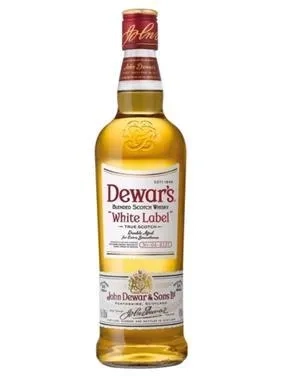
Brand: Dewars
Dewars White Label Imp
750ML
Overall Rating: 4.7
₹1,400
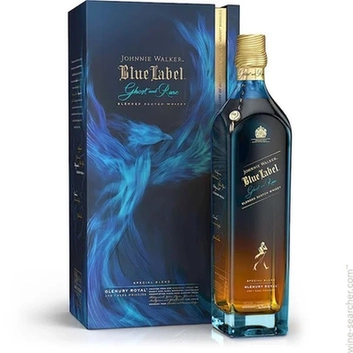
Brand: Johnnie Walker
Johnnie Walker Blue Label Ghost & Rare
750ML
Overall Rating: 4.6
₹26,000
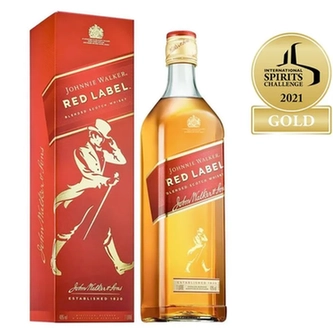
Brand: Johnnie Walker
Johnnie Walker Red Label
750ML
Overall Rating: 4.6
₹1,400
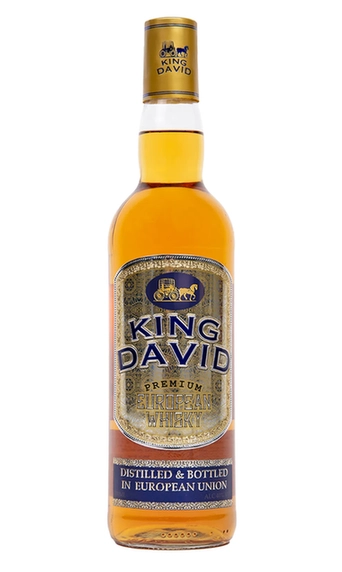
Brand: King David
King David
750ML
Overall Rating: 4.5
₹600
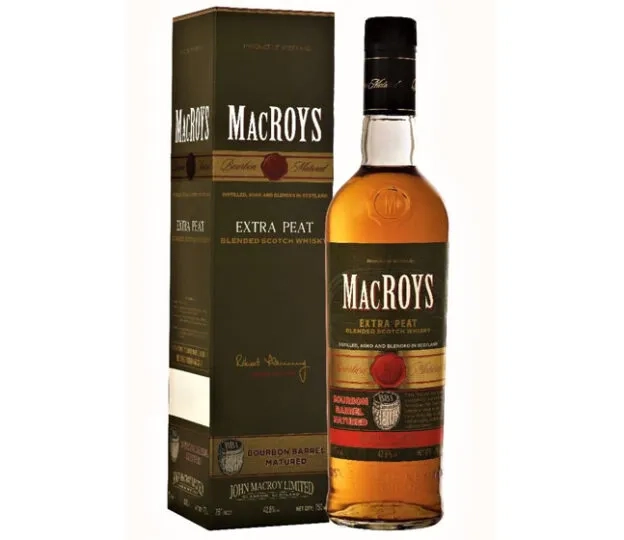
Brand: Macroys
Macroys Special Reserve Blended Scotch Whisky
750ML
Overall Rating: 4.6
₹1,200
All Categories


Disclaimer:
- We aggregate data from multiple public sources, hence actual prices may vary, visit local retailers for latest information.
- We do not offer Home Delivery. Be aware of fraudsters.
- Drink Less. Drink Better. Drink Responsibly.
- Reach out to us contact@livcheers.com