@cheerspedia
Nose
💡 Definition
The aroma of a drink as perceived through the nose — typically before tasting, but also during sipping (retronasal aroma). The 'nose' is one of the three primary tasting components, alongside palate and finish.
What does 'Nose' mean?
'Nose' is wine and spirit terminology for the aromatic profile — what you smell. The term encompasses both the immediate aromatic impression (when you first hold the glass to your nose) and the deeper aromatic complexity that emerges with swirling and time. The nose is where most of a drink's complexity lives — your nose can detect thousands of distinct aromas, while your tongue only detects five basic tastes. With 483 mentions across 18 categories on LivCheers, nose is the technical term for the aromatic dimension of any alcoholic beverage. The descriptive language for nose covers fruit, floral, oak, spice, and dozens of other categories — together producing the rich aromatic vocabulary of wine and spirits.
How to Nose Properly
Use a tulip-shaped or Glencairn glass — these concentrate aromas at the rim. Pour a moderate amount (no more than half the bowl). Swirl gently to release volatile compounds. Bring the glass to your nose and inhale through your nostrils — short, gentle inhalations work better than long, deep ones (which can fatigue the olfactory system). Identify the dominant aromas first, then look for secondary complexity. Some tasters prefer to nose with mouth slightly open, allowing aromas to enter both nasal passages and the retronasal pathway. With practice, you can identify dozens of distinct aromas in a single glass.
Frequently Asked Questions
What's the difference between nose and aroma?
Largely synonymous. 'Nose' is more commonly used in whisky tasting; 'aroma' is more common in wine. Both refer to the smell of the drink as perceived through the nose. 'Bouquet' is sometimes used for the aged or developed aromas of a wine, distinct from 'aroma' which can refer to the primary fruit notes.
Why is nose more important than taste?
Because most flavour perception is olfactory. Studies show that 80–90% of what we call 'flavour' is actually aroma processed by the brain. Hold your nose while drinking and most of the flavour disappears. The nose is also more sensitive than the tongue — capable of detecting aromatic compounds at parts per billion. This is why proper nosing is essential to appreciating quality drinks.
What's the best glass for nosing?
For wine, a Bordeaux or Burgundy glass with a tulip shape works well. For spirits, a Glencairn glass is the gold standard — designed specifically for nosing whisky. The key features are a wide bowl (to swirl and release aromatics) and a narrower opening (to concentrate aromas at the rim where you're nosing).
Published: 2026-04-29
Featured Products
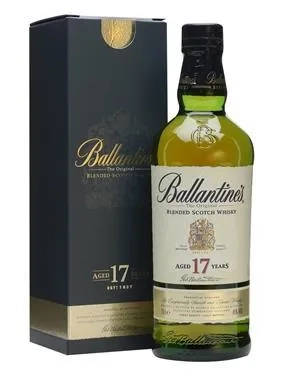
Brand: Ballantines
Ballantine Aged 17 Yrs Blended Scotch Whisky
750ML
Overall Rating: 4.4
₹5,500
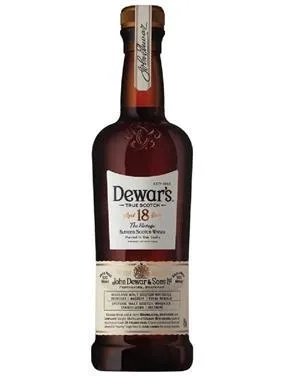
Brand: Dewars
Dewars 18 Yrs
750ML
Overall Rating: 4.2
₹4,800
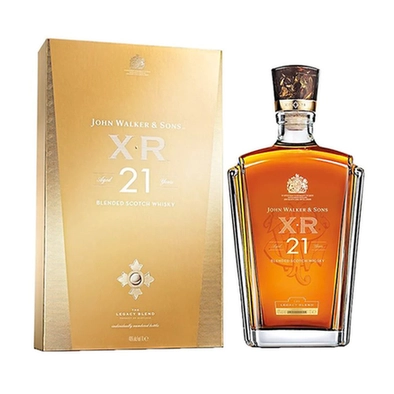
Brand: Johnnie Walker
Johnnie Walker XR 21
750ML
Overall Rating: 4.5
₹14,000
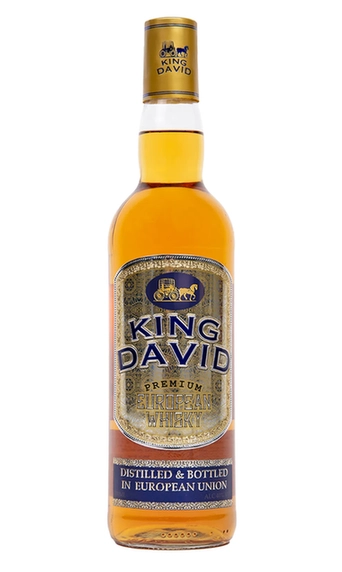
Brand: King David
King David
750ML
Overall Rating: 4.5
₹600
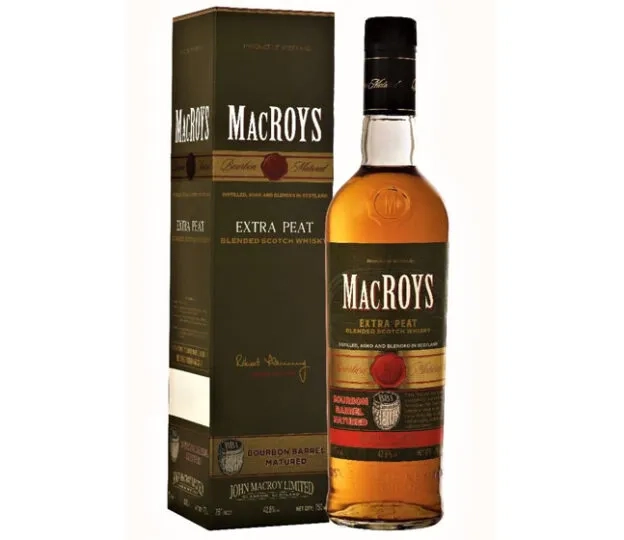
Brand: Macroys
Macroys Special Reserve Blended Scotch Whisky
750ML
Overall Rating: 4.6
₹1,200
All Categories


Disclaimer:
- We aggregate data from multiple public sources, hence actual prices may vary, visit local retailers for latest information.
- We do not offer Home Delivery. Be aware of fraudsters.
- Drink Less. Drink Better. Drink Responsibly.
- Reach out to us contact@livcheers.com