@cheerspedia
Peat
💡 Definition
Partially decomposed plant matter from waterlogged bogs, used as fuel to dry malted barley in whisky production. The smoke from burning peat infuses the grain with phenols, producing the smoky character of peated whiskies.
What is Peat?
Peat is partially decomposed organic matter — primarily ancient plant material — that has accumulated in waterlogged bogs over thousands of years. In Scotland, particularly in Islay and the western islands, peat is harvested from these bogs and burned as fuel. When malted barley is dried over a peat fire, the smoke impregnates the grain with aromatic compounds called phenols. These phenols carry through fermentation and distillation into the final whisky, producing the characteristic smoky, medicinal, brine-like character of peated Scotch. The peat itself takes 7,000+ years to form — making peated whisky a uniquely traditional product. With 117 mentions across 4 categories on LivCheers, peat is concentrated in single malts, Scotch, and Indian peated whisky.
Peat Levels and Regional Differences
Peat character varies dramatically by region. Islay peat (the most famous) is heavily marine-influenced — producing whisky with brine, iodine, and seaweed character alongside smoke. Highland peat is more earthy and less maritime. Indian peat (used in Indri, Paul John Peated, Amrut Peated) has its own character — often more spice-driven and less marine than Islay. The peat character is measured in 'phenol parts per million' (ppm). Most heavily peated Scotch sits at 30–50 ppm; Octomore can exceed 200 ppm. Lightly peated whiskies use restrained peat character; smoke-bombs like Ardbeg Supernova aim for maximum impact.
Frequently Asked Questions
Is peat the same as smoke?
Related but distinct. Smoke is the broader category (including peat smoke, wood smoke, and other smoky compounds). Peat smoke specifically is the result of burning peat — and produces a distinctive medicinal, brine-like, slightly bitter character that other smoke sources don't match. Smoke from burning oak or other woods produces different aromatic compounds and tastes.
Why is peat traditional in Scottish whisky?
Historical accident, then tradition. Scotland had abundant peat but limited wood for fuel, especially in the Highlands and Islands. Distillers used peat to dry their malt because it was the most available fuel. The smoky character became part of the regional identity, then deliberately preserved as a stylistic choice. Today, peat is used by choice rather than necessity.
Can peat character mellow with age?
Somewhat. Long aging integrates peat smoke with oak character, producing more complex and balanced expressions. A 25-year-old Lagavulin tastes significantly less aggressive than the 8-year-old version. But heavily peated whisky retains its smoky character even with extensive aging — peat doesn't 'fade.' The intensity remains; the integration changes.
Published: 2026-04-29
Featured Products
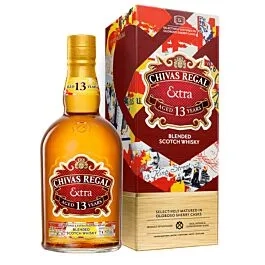
Brand: Chivas Regal
Chivas Extra
750ML
Overall Rating: 4.3
₹4,000
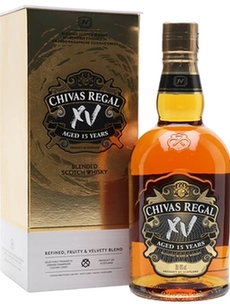
Brand: Chivas Regal
Chivas Regal XV Blended Scotch Whisky
750ML
Overall Rating: 4.5
₹3,500
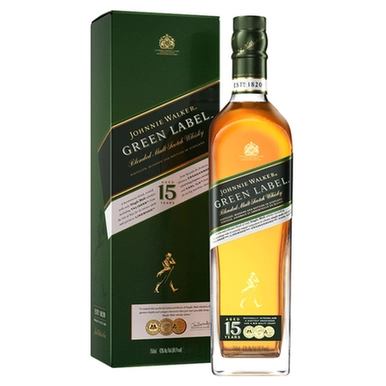
Brand: Johnnie Walker
Johnnie Walker Green Label
750ML
Overall Rating: 4.7
₹5,200
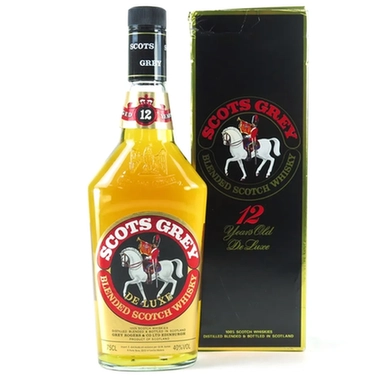
Brand: Scots
Scots Grey
750ML
Overall Rating: 4.4
₹900
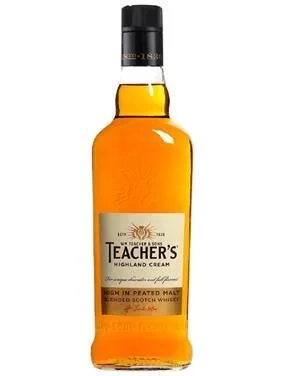
Brand: Teachers
Teachers Highland Cream
750ML
Overall Rating: 4.6
₹1,200
All Categories


Disclaimer:
- We aggregate data from multiple public sources, hence actual prices may vary, visit local retailers for latest information.
- We do not offer Home Delivery. Be aware of fraudsters.
- Drink Less. Drink Better. Drink Responsibly.
- Reach out to us contact@livcheers.com