@cheerspedia
Bitter
💡 Definition
A tasting descriptor for drinks displaying bitterness — perceived primarily on the back of the tongue. Comes from hops in beer, herbs and roots in liqueurs, tannins in wine, and certain compounds in aged spirits.
What is Bitterness?
Bitter is one of the five basic tastes detected by the tongue, along with sweet, sour, salty, and umami. Bitterness sits at the back of the tongue and is often the slowest-perceived basic taste. In drinks, bitterness comes from various sources: hops in beer (especially IPAs), herbs and roots in liqueurs (Fernet, Campari, amari), tannins in red wine, oak in aged spirits, and certain natural compounds in distillates. Bitter is often a polarising flavour — some drinkers love it (IPA enthusiasts, amaro fans), others avoid it. With 284 mentions across 7 categories on LivCheers, bitter is more concentrated in specific drink types than universal.
Bitter as a Positive Quality
While 'bitter' can be a negative descriptor in some contexts (over-extracted wine, off-flavoured beer), it's a positive descriptor in many drink categories. IPA bitterness from hops is the entire point of the style. Amaro and Fernet bitterness comes from carefully selected herbs and is the defining character. Aperitivo culture revolves around the bitter-sweet balance of Campari and similar drinks. Premium dark chocolate is bitter, and so is excellent espresso. The capacity to appreciate bitter character is often a marker of evolving palate sophistication.
Frequently Asked Questions
Why are IPAs so bitter?
Hops contain compounds called alpha acids that produce bitterness during the brewing process. IPA brewers add significantly more hops than other beer styles (often 3-5x more), and add them at multiple stages. The result is intense bitterness — measured in IBUs (International Bitterness Units) — that ranges from 40 IBUs in a session IPA to 100+ in a Double IPA.
What's an aperitif bitter?
A category of low-alcohol bitter liqueurs designed to stimulate appetite before meals. Campari (24% ABV), Aperol (11% ABV), and similar Italian bitters are classics. They use herbs, roots, and bitter oranges to create a bitter-sweet balance that prepares the palate for food without being too high in alcohol.
Can red wine be 'bitter'?
Sometimes — typically when tannins are aggressive or when grape skins were over-extracted during fermentation. Young, structured red wines can show bitter notes that integrate with bottle aging. If a wine tastes harshly bitter (rather than firmly tannic), it's often a sign of poor-quality production or significant fault.
Published: 2026-04-29
Featured Products
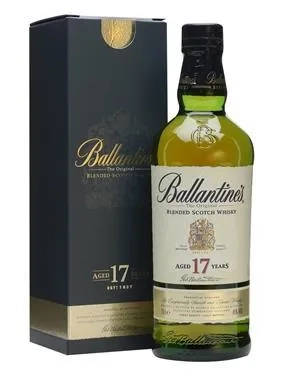
Brand: Ballantines
Ballantine Aged 17 Yrs Blended Scotch Whisky
750ML
Overall Rating: 4.4
₹5,500
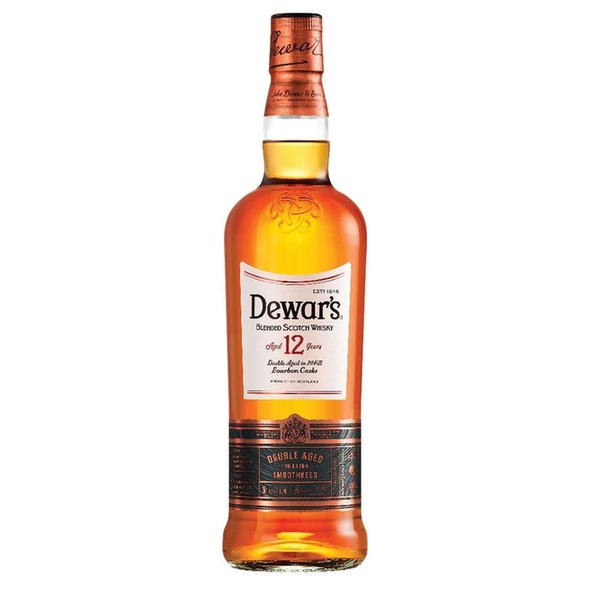
Brand: Dewars
Dewars 12 Years
750ML
Overall Rating: 4.7
₹2,500
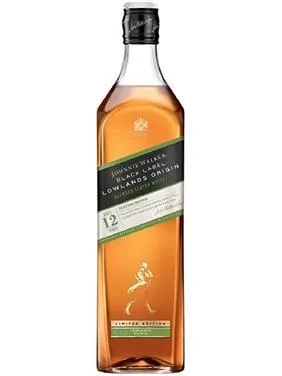
Brand: Johnnie Walker
Johnnie Walker Black Label Lowlands Origin Blender
750ML
Overall Rating: 4.5
₹2,200
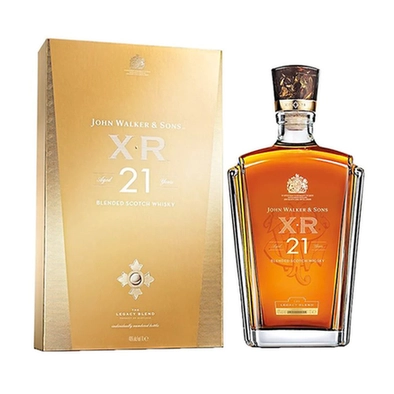
Brand: Johnnie Walker
Johnnie Walker XR 21
750ML
Overall Rating: 4.5
₹14,000
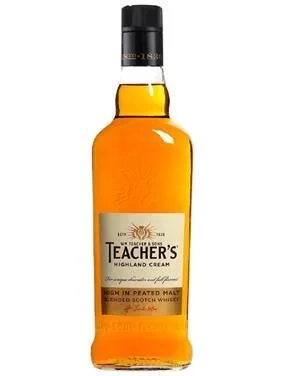
Brand: Teachers
Teachers Highland Cream
750ML
Overall Rating: 4.6
₹1,200
All Categories


Disclaimer:
- We aggregate data from multiple public sources, hence actual prices may vary, visit local retailers for latest information.
- We do not offer Home Delivery. Be aware of fraudsters.
- Drink Less. Drink Better. Drink Responsibly.
- Reach out to us contact@livcheers.com