@cheerspedia
Lager
💡 Definition
A beer style produced using bottom-fermenting yeast at cold temperatures (5–9°C) and lagered (cold-aged) for several weeks. Crisp, clean, and the most popular beer style in the world.
What is Lager?
Lager is the world's most popular beer style, accounting for over 90% of all beer consumed globally. The defining feature isn't the colour or the strength — it's the yeast and the temperature. Lager yeast (Saccharomyces pastorianus) ferments at cold temperatures (5–9°C) and settles at the bottom of the fermenter. After fermentation, the beer is 'lagered' — stored at near-freezing temperatures for several weeks — which produces a clean, crisp, and exceptionally smooth beer. Compare this with ales (which use top-fermenting yeast at warmer temperatures and produce fruity, complex flavours), and you understand the entire flavour difference between the two beer families.
💡 Fact
The word 'lager' comes from the German word 'lagern,' meaning 'to store.' The style was developed in Bavaria in the 1500s when brewers stored beer in cold caves over winter.
How Lager is made
Malted barley is mixed with hot water to extract sugars, producing a sweet liquid called wort. Hops are added during the boil for bitterness and aroma.
The wort is cooled to 5–9°C — much colder than ale fermentation. This temperature is critical for lager yeast to work properly.
Bottom-fermenting lager yeast is added. Fermentation takes 1–2 weeks at this cold temperature, producing a clean spirit with very few esters or fruity flavours.
The young beer is stored at near-freezing temperatures (1–4°C) for several weeks (and sometimes months). This 'lagering' process clarifies the beer and develops its smooth, crisp character.
Lager vs Ale
Types of Lager
Pilsner is the classic — golden, hoppy, crisp (Heineken, Pilsner Urquell, Bira 91 Blonde Summer Lager). Helles is a Bavarian style — softer, slightly sweeter, less hop-bitter (Augustiner, Spaten). Dunkel is dark lager — malty, bready, low bitterness. Bock is strong (6–7% ABV), malty, and dark. Indian Strong Lager is its own category — built around the country's excise structure (which taxes by volume, not strength), brewers maximise alcohol percentage. Strong lagers like Tuborg Strong, Kingfisher Strong, and Carlsberg Elephant typically hit 6–8% ABV, significantly higher than international standard lagers (4.5–5%).
What does Lager taste like?
Across 98 Lager products on LivCheers, the most common descriptors are crisp, malt, light, and smooth. The flavour profile is intentionally clean and refreshing — light malt sweetness, restrained hop bitterness, mild carbonation, and a dry finish. Premium lagers (Heineken, Kingfisher Premium, Bira 91 Blonde) lead with crisp hop character and lean malt. Standard lagers (Kingfisher, Tuborg Green) are softer and maltier. Strong lagers add a noticeable alcohol warmth and slightly more residual sweetness. The defining feature of all good lager is drinkability — it's the beer style designed for ice-cold, easy-drinking sessions.
How to drink Lager
Cold. Properly cold — 2–4°C. Pour into a tall glass at a 45-degree angle, then straighten the glass at the end to build a proper head (about 2cm). The pour matters: it releases CO2 and concentrates aromatics. Drink within 10 minutes — lager warms up fast, especially in Indian summers. Pair with anything: street food, BBQ, pizza, fried chicken, masala peanuts. Lager is the most food-friendly beer style because it doesn't compete with the meal.
💡 Tip
Don't drink lager from a bottle or can. The pour is essential — it's the difference between a great beer and a forgettable one.
Frequently Asked Questions
Why is most beer in India lager?
Climate and tax structure. India's hot weather favours crisp, refreshing beers — lager fits perfectly. The excise structure (taxing by volume rather than strength) led brewers to develop Strong Lagers, which now dominate the market. Plus, lager yeast is more forgiving in industrial production than ale yeast.
What's the difference between a lager and a pilsner?
All pilsners are lagers, but not all lagers are pilsners. Pilsner is a specific style of lager — pale, golden, with prominent hop character — that originated in Pilsen, Czech Republic in 1842. Lager is the broader yeast/process category that includes pilsner, helles, dunkel, bock, and many other styles.
Why is Indian Strong Lager so much stronger than imported lager?
Indian excise duty on beer is the same regardless of alcohol strength in many states. So brewers maximise alcohol per bottle — typically 6–8% ABV for strong lagers vs 4.5–5% for international standard lagers. Consumers get more alcohol per rupee, which created a permanent market category.
Which is the best lager in India?
Bira 91 Blonde Summer Lager and Kingfisher Premium are the most-rated everyday lagers on LivCheers. Heineken is the premium import benchmark. For a stronger style, Tuborg Strong and Carlsberg Elephant lead the segment. Prices range from ₹90 to ₹450 across all types.
Published: 2026-04-29
Featured Products
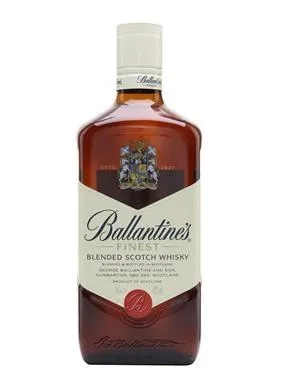
Brand: Ballantines
Ballantine Finest Blended Scotch Whisky
750ML
Overall Rating: 4.7
₹1,400
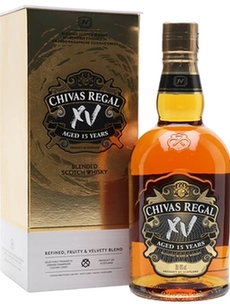
Brand: Chivas Regal
Chivas Regal XV Blended Scotch Whisky
750ML
Overall Rating: 4.4
₹3,500
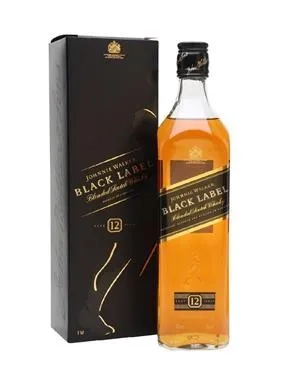
Brand: Johnnie Walker
Johnnie Walker Black Label
750ML
Overall Rating: 4.8
₹2,500
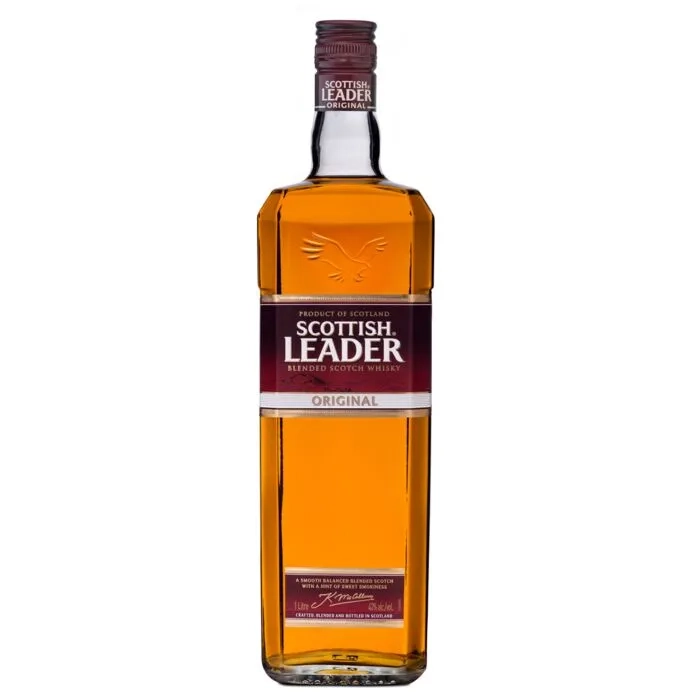
Brand: Scottish Leader
Scottish Leader Blended Scotch Whisky
750ML
Overall Rating: 4.7
₹1,100
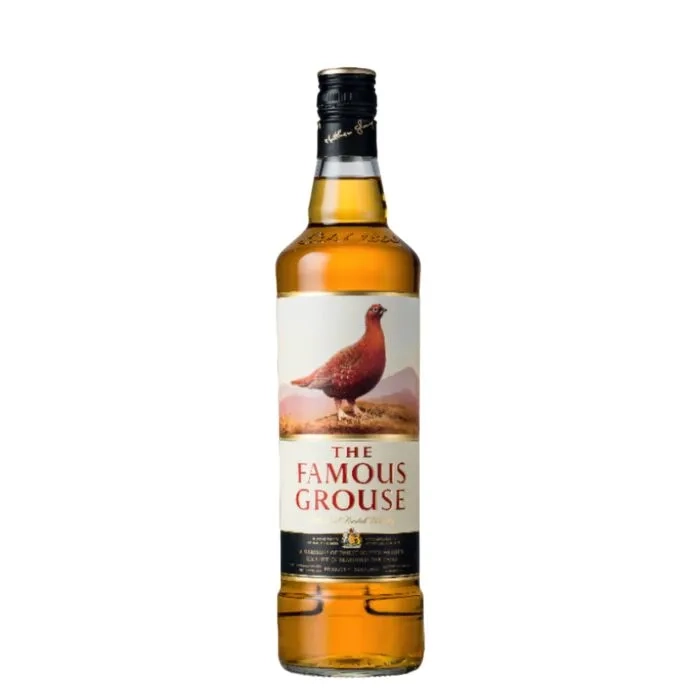
Brand: Famous Grouse
The Famous Grouse
750ML
Overall Rating: 4.2
₹1,400
All Categories


Disclaimer:
- We aggregate data from multiple public sources, hence actual prices may vary, visit local retailers for latest information.
- We do not offer Home Delivery. Be aware of fraudsters.
- Drink Less. Drink Better. Drink Responsibly.
- Reach out to us contact@livcheers.com