@cheerspedia
Finish
💡 Definition
The lingering flavour and sensation that remains in the mouth after swallowing a sip of wine, spirit, or beer — measured in length, character, and complexity.
What is the Finish?
The finish is what happens after you swallow. It's the flavour that lingers — sometimes for seconds, sometimes for over a minute — and it's one of the most reliable indicators of quality in wine and spirits. A good finish is long, evolving, and clean. A poor finish is short, harsh, or dominated by a single off-note. Tasters describe finishes by length (short, medium, long, very long), character (smooth, dry, sweet, spicy, bitter), and evolution (does it stay the same or change?). The 3,898 mentions of 'finish' across 19 product categories on LivCheers reflect just how universal this concept is — every drink has a finish, and great drinks have memorable ones.
How to evaluate a Finish
Take a sip, swallow, then wait. Don't sip again. Pay attention to what your palate is telling you over the next 10–60 seconds. Length: how long can you still taste the drink? Character: is the lingering flavour pleasant, harsh, sweet, dry? Evolution: does the flavour change as time passes? In premium spirits and wine, the finish often reveals layers that weren't obvious during the sip. A 25-year-old Scotch might show vanilla on the sip but develop into oak, leather, and dark chocolate on the finish — all from one swallow. The finish is where complexity lives.
Frequently Asked Questions
What does 'long finish' mean?
A finish that remains noticeable for 30+ seconds after swallowing. Premium wines and aged spirits typically have long finishes; budget products usually have short finishes that fade within 5–10 seconds. Length isn't the only quality marker — a short, clean finish can be better than a long, harsh one — but it's a strong indicator.
Is a smooth finish always good?
Usually, but not always. 'Smooth' typically means no harshness, alcohol burn, or bitter aftertaste — all good things. But some spirits (like aged Scotch with peat) have intentionally bold finishes that aren't smooth in the conventional sense. Smoothness is a positive trait but isn't the only measure of finish quality.
Why does the finish matter more in expensive drinks?
Because it's harder to fake. A drink can be made to taste good on the sip with sweetness, fruit, or oak influence. But a long, complex, evolving finish requires real quality of ingredients and production. Premium spirits and wines justify their prices largely through their finishes.
Published: 2026-04-29
Featured Products
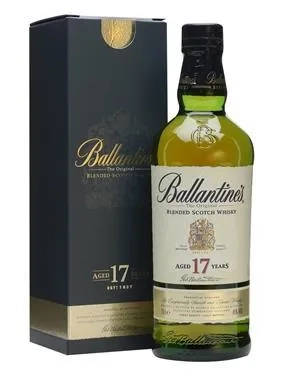
Brand: Ballantines
Ballantine Aged 17 Yrs Blended Scotch Whisky
750ML
Overall Rating: 4.4
₹5,500
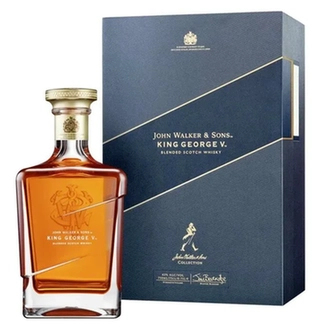
Brand: Johnnie Walker
Johnnie Walker & Sons King Georg V
750ML
Overall Rating: 4.3
₹68,000
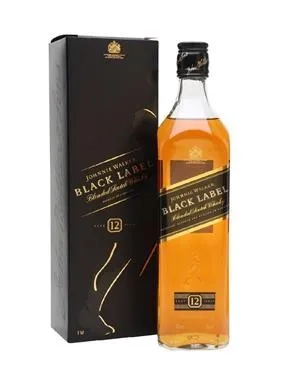
Brand: Johnnie Walker
Johnnie Walker Black Label
750ML
Overall Rating: 4.8
₹2,500
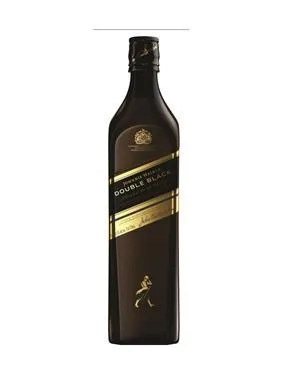
Brand: Johnnie Walker
Johnnie Walker Double Black
750ML
Overall Rating: 4.8
₹3,200
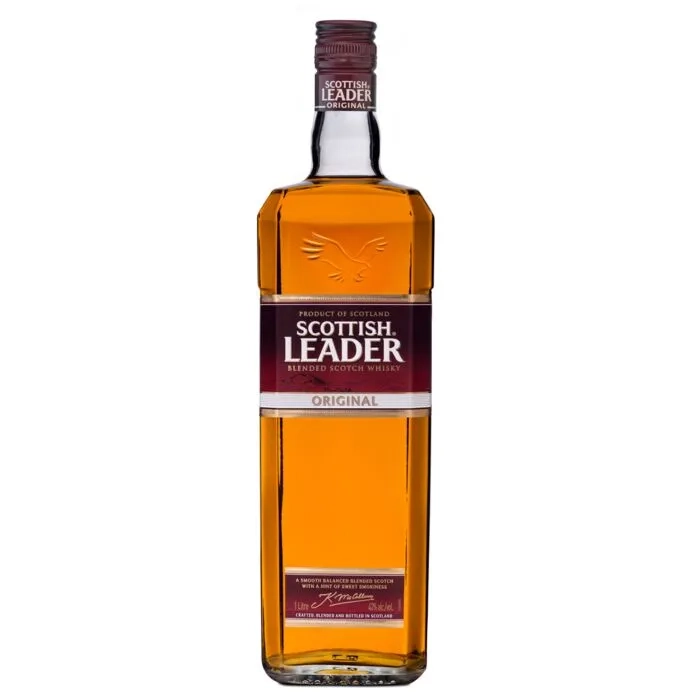
Brand: Scottish Leader
Scottish Leader Blended Scotch Whisky
750ML
Overall Rating: 4.7
₹1,100
All Categories


Disclaimer:
- We aggregate data from multiple public sources, hence actual prices may vary, visit local retailers for latest information.
- We do not offer Home Delivery. Be aware of fraudsters.
- Drink Less. Drink Better. Drink Responsibly.
- Reach out to us contact@livcheers.com