@cheerspedia
Barrel
💡 Definition
A wooden vessel — typically oak — used to age spirits and wines. Barrel aging is one of the most important transformative steps in producing premium alcoholic beverages.
What does Barrel-Aged mean?
Barrel aging is the process of storing distilled spirits or wines in wooden barrels (almost always oak) for extended periods to develop flavour, colour, and complexity. The barrel does multiple things: it slowly transfers wood compounds (vanilla, tannin, lactones) to the spirit; it allows controlled oxygen exchange that mellows the spirit; it concentrates flavours through evaporation (the 'angel's share'); and it stabilises the spirit's aromatic profile. With 411 mentions across 14 LivCheers categories, barrel is one of the most important terms in spirits production. Different barrel types produce dramatically different results — a Scotch aged in ex-Bourbon barrels tastes nothing like one aged in ex-sherry barrels.
Common Barrel Types
Ex-Bourbon barrels — used American oak barrels from Bourbon production, dominant in Scotch. They contribute vanilla, coconut, and toffee. Ex-sherry barrels — European oak barrels that previously held sherry, contributing dried fruit, nuts, and complexity. Used by Macallan, GlenDronach, Aberlour. Wine casks — including Port, Madeira, Sauternes — used for finishing single malts. New American oak — required for Bourbon, contributes maximum vanilla and caramel. New French oak — used in premium Cognac and certain wines, more elegant clove and spice. Each barrel type produces distinctly different aged-spirit character.
Frequently Asked Questions
Why is barrel aging so important?
Without barrel aging, distilled spirits would taste mostly like alcohol with little complexity. The barrel transforms the spirit by adding flavour from the wood, removing harsh elements through oxidation, concentrating character through evaporation, and integrating components through slow chemical reactions. Most premium spirits would not exist without barrel aging.
What's barrel-finishing?
A two-stage aging process where a spirit ages primarily in one type of barrel (usually ex-Bourbon), then transfers to a different barrel for the final months or years. The second barrel (often Port, Sherry, or wine casks) imparts additional flavour without the spirit absorbing too much from the new wood. Glenmorangie pioneered the technique in Scotch.
How long can a spirit age in barrel?
Variable. Bourbon — typically 4–10 years (longer can become over-oaked due to new charred barrels). Scotch — 10–25+ years. Cognac — up to 50+ years for premium expressions. Beyond a certain point, the spirit can extract too much wood character and become unpleasant. Master blenders monitor aging carefully to capture peak character.
Published: 2026-04-29
Featured Products
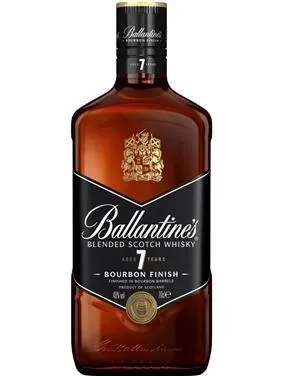
Brand: Ballantines
Ballantine 7Yrs Bourbon Barrel
750ML
Overall Rating: 4.3
₹2,000
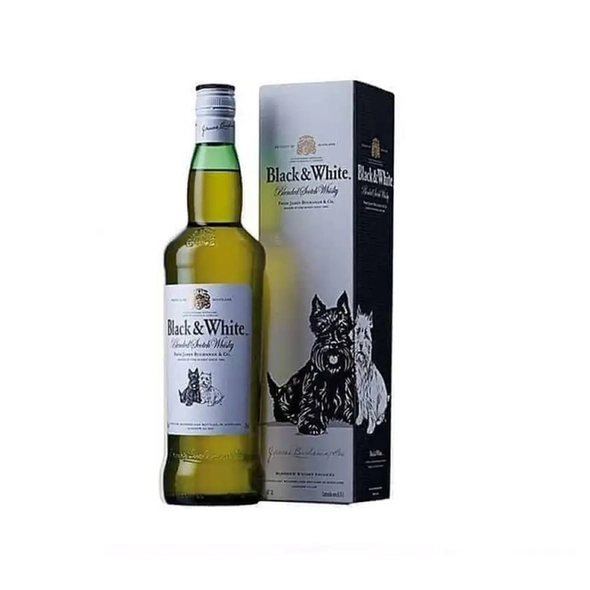
Brand: Black & White
Black & White Impo
750ML
Overall Rating: 4.6
₹1,400
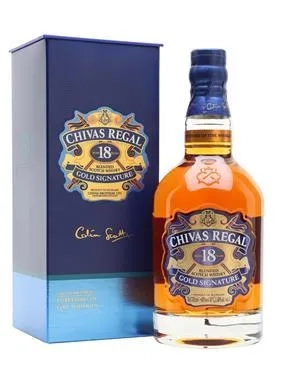
Brand: Chivas Regal
Chivas Regal 18 Yrs Blended Scotch Whisky
750ML
Overall Rating: 4.3
₹5,200
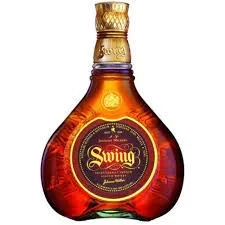
Brand: Johnnie Walker
Johnnie Walker Swing
750ML
Overall Rating: 4.4
₹6,000
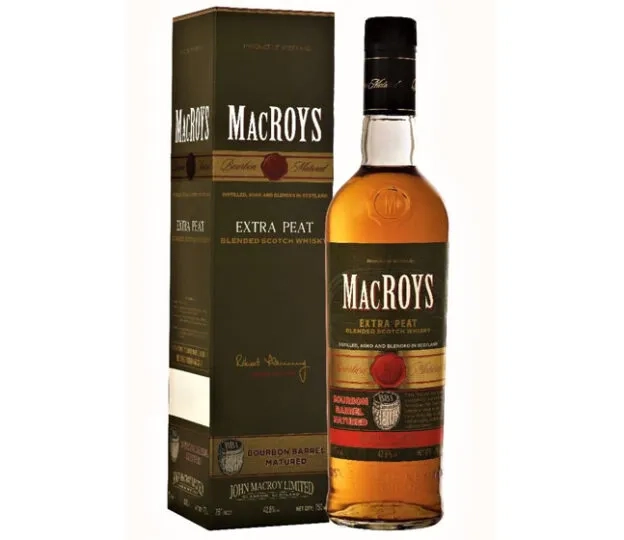
Brand: Macroys
Macroys Special Reserve Blended Scotch Whisky
750ML
Overall Rating: 4.6
₹1,200
All Categories


Disclaimer:
- We aggregate data from multiple public sources, hence actual prices may vary, visit local retailers for latest information.
- We do not offer Home Delivery. Be aware of fraudsters.
- Drink Less. Drink Better. Drink Responsibly.
- Reach out to us contact@livcheers.com