@cheerspedia
Sweet
💡 Definition
A tasting descriptor referring to perceived sugar level — from bone-dry (no sweetness) to richly sweet (dessert wines, liqueurs). Can come from residual sugar, ripe fruit, oak vanilla, or added sweeteners.
What does Sweet mean in tasting?
Sweetness is the most universally recognised taste descriptor. In wine, sweetness comes from residual sugar — sugar from grapes that wasn't converted to alcohol during fermentation. In spirits, perceived sweetness can come from ripe fruit notes, oak vanilla, glycerol (a viscous compound that suggests sweetness), or actual sugar additions in liqueurs. In beer, sweetness comes from unfermentable sugars and malt character. With 1,681 mentions in product descriptions across 19 categories on LivCheers, 'sweet' covers everything from a delicately off-dry Riesling to a richly sweet Old Monk dark rum to a chocolatey dessert wine. The specific source of sweetness matters more than the general level.
Sweetness Levels and Sources
Bone-dry (zero residual sugar) — typical of premium spirits and the driest wines. Off-dry (slight perceptible sweetness) — typical of many wheat beers and certain wine styles. Medium-sweet — characteristic of many fruit-forward wines and aged spirits. Sweet — dessert wines, liqueurs, sweet vermouths. Very sweet — port, fortified Muscat, pure cream liqueurs. Sources of perceived sweetness include actual sugar (residual or added), ripe fruit aromatics (which signal sweetness even when sugar is low), oak vanilla and caramel notes, and glycerol from extended aging.
Frequently Asked Questions
Are sweet wines lower quality than dry wines?
Absolutely not. Some of the world's greatest wines are sweet — Sauternes, vintage Port, Tokaji, Auslese Riesling, ice wine. The dry/sweet distinction is about style, not quality. A poorly-made dry wine can be much worse than an excellent sweet wine.
Why does aged whisky taste sweet without added sugar?
Oak aging extracts vanilla, caramel, and other sweet-flavoured compounds from the wood. Long aging concentrates these notes. The whisky has no added sugar, but the perceived sweetness comes from these oak-derived compounds plus glycerol (which has a sweet impression) and ripe fruit aromas. Aged Scotch can taste noticeably sweeter than its young version.
What does 'dry' mean in spirits?
In spirits, 'dry' typically means no added sugar or sweetening. Dry gin (London Dry style) has minimal added sugar. Dry vermouth has less sugar than sweet vermouth. Dry whisky/spirits implies the producer hasn't added any sweetening agents. Most premium spirits are dry by this definition.
Published: 2026-04-29
Featured Products
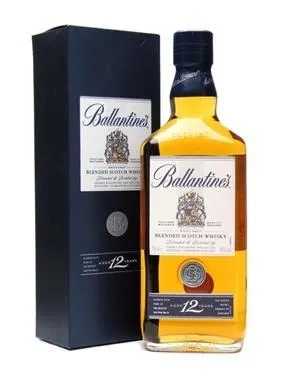
Brand: Ballantines
Ballantine Aged 12 Yrs Blended Scotch Whisky
750ML
Overall Rating: 4.4
₹2,300
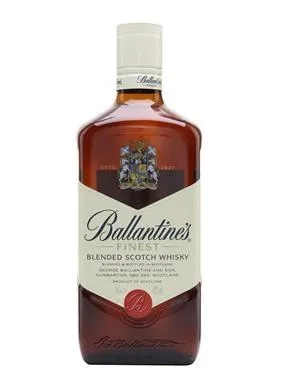
Brand: Ballantines
Ballantine Finest Blended Scotch Whisky
750ML
Overall Rating: 4.7
₹1,400
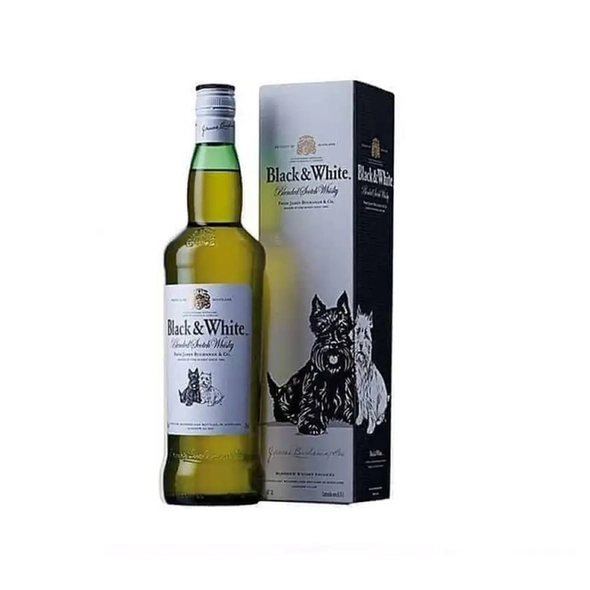
Brand: Black & White
Black & White Impo
750ML
Overall Rating: 4.6
₹1,400
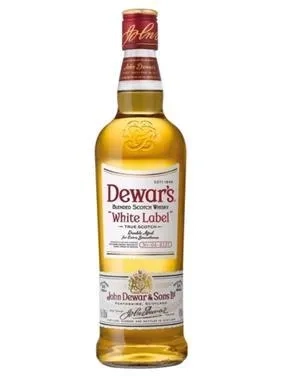
Brand: Dewars
Dewars White Label Imp
750ML
Overall Rating: 4.7
₹1,400
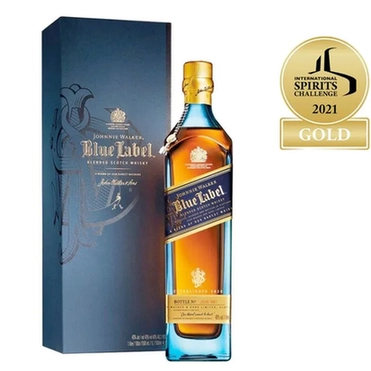
Brand: Johnnie Walker
Johnnie Walker Blue Label
750ML
Overall Rating: 4.8
₹18,000
All Categories


Disclaimer:
- We aggregate data from multiple public sources, hence actual prices may vary, visit local retailers for latest information.
- We do not offer Home Delivery. Be aware of fraudsters.
- Drink Less. Drink Better. Drink Responsibly.
- Reach out to us contact@livcheers.com