@cheerspedia
Palate
💡 Definition
The taste experience of a drink as it sits in the mouth — distinct from aroma (the smell) and finish (what lingers after swallowing). The palate is where structure, body, sweetness, acidity, and tannin are perceived.
What is the Palate?
The palate is the middle of the tasting experience — between the initial nose and the lingering finish. It's what you actually feel and taste while the drink is in your mouth. Tongue receptors detect sweetness (front of tongue), sourness/acidity (sides), bitterness (back), saltiness, and umami. But the palate is also about texture: body weight, viscosity, tannin grip, alcohol warmth, carbonation. A complete tasting note describes the palate in detail — 'Medium-bodied with bright acidity, ripe blackcurrant fruit, soft tannins, and warm spice notes' tells you what to expect when you drink. The 3,227 mentions of palate in LivCheers descriptions cover every spirit and wine category.
Components of the Palate
Body — light, medium, or full. Refers to how heavy the drink feels. Sweetness — perceived sugar level, from bone-dry to dessert-sweet. Acidity — the sharp, refreshing quality that makes drinks feel alive. High acidity wines pair well with food. Tannin — the drying, gripping sensation in red wines and aged spirits, from grape skins or oak. Spice — perceived warmth from alcohol, oak, or actual spice notes (pepper, clove). Texture — silky, oily, viscous, or thin. Each component contributes to the total palate impression.
Frequently Asked Questions
What's the difference between palate and aroma?
Aroma is what you smell (perceived through your nose). Palate is what you taste and feel in your mouth. They're related — much of palate perception involves aromas migrating from mouth to nose retronasally — but they're distinct sensations with distinct vocabularies. Tasting notes typically describe nose, palate, and finish separately.
What does 'long palate' mean?
A drink whose palate impression continues to evolve and develop while in the mouth — not a static taste, but a journey from initial impact through middle development to swallowing. Premium wines and spirits often have long palates that show multiple layers of flavour during the sip itself.
Why does food affect how the palate feels?
Food and drinks interact chemically and texturally. Salt enhances sweetness in wine. Fat coats the tongue and mutes tannin. Acid in food can make wine taste flatter. Sweet foods can make dry wines taste dryer. The palate of a drink isn't fixed — it changes based on what you eat with it. This is why food-and-wine pairing matters.
Published: 2026-04-29
Featured Products
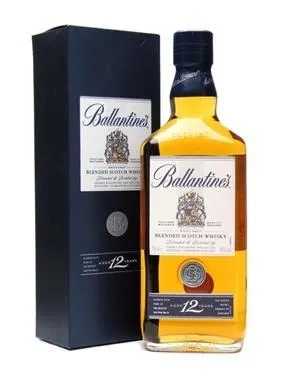
Brand: Ballantines
Ballantine Aged 12 Yrs Blended Scotch Whisky
750ML
Overall Rating: 4.4
₹2,300
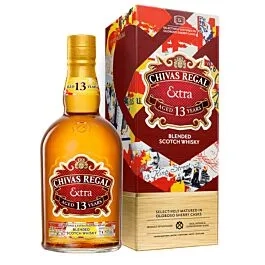
Brand: Chivas Regal
Chivas Extra
750ML
Overall Rating: 4.3
₹4,000
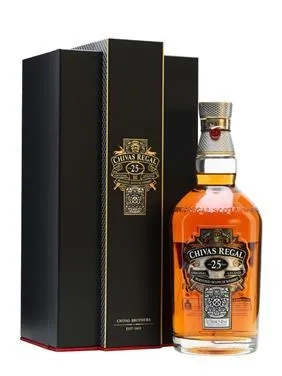
Brand: Chivas Regal
Chivas Regal 25 Yrs
750ML
Overall Rating: 4.6
₹25,000
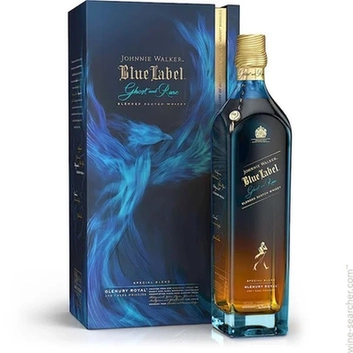
Brand: Johnnie Walker
Johnnie Walker Blue Label Ghost & Rare
750ML
Overall Rating: 4.6
₹26,000
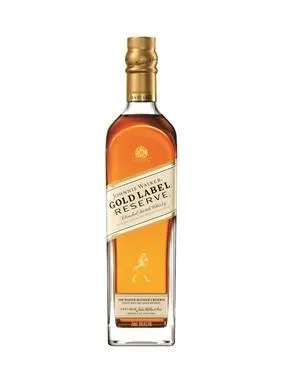
Brand: Johnnie Walker
Johnnie Walker Gold Reserve
750ML
Overall Rating: 4.9
₹4,400
All Categories


Disclaimer:
- We aggregate data from multiple public sources, hence actual prices may vary, visit local retailers for latest information.
- We do not offer Home Delivery. Be aware of fraudsters.
- Drink Less. Drink Better. Drink Responsibly.
- Reach out to us contact@livcheers.com