@cheerspedia
Body
💡 Definition
A tasting descriptor for the perceived weight, density, and texture of a wine or spirit on the palate. Ranges from light-bodied (delicate, crisp) to full-bodied (rich, weighty).
What is Body?
Body is the perceived weight or density of a drink in your mouth — distinct from flavour intensity, alcohol content, or sweetness. A light-bodied wine feels delicate and almost watery; a full-bodied wine feels weighty and viscous, even coating the palate. The difference is partly real (full-bodied wines have more dissolved compounds) and partly perceptual (the brain interprets flavour intensity, alcohol warmth, and other factors as 'weight'). Body is influenced by alcohol level, glycerol content, dissolved solids, and tannin/acid balance. With 101 mentions across 7 categories on LivCheers, body is most discussed in red wine and aged spirit contexts where the variation is most meaningful.
Body Categories
Light-bodied — delicate, low alcohol (typically 11-12% in wine), crisp and refreshing. Examples: Pinot Grigio, light Beaujolais, Pilsner beer. Medium-bodied — moderate weight, balanced, the most food-friendly category. Examples: most Chardonnay, Merlot, Wheat beer. Full-bodied — substantial weight, often higher alcohol (13.5%+ in wine), rich and complex. Examples: Cabernet Sauvignon, Shiraz, Imperial Stouts. Body should match the food — light bodies with delicate dishes, full bodies with rich meals. The mismatch is why heavy red wine fights spicy salads, or why light white wine disappears against a heavy curry.
Frequently Asked Questions
Does higher alcohol mean fuller body?
Often, but not always. Alcohol contributes to body perception, but other factors matter too — glycerol, residual sugar, tannin, and dissolved compounds all add to perceived weight. A high-alcohol wine with low extract (Australian Shiraz at 15%) might feel less full than a moderate-alcohol wine with high extract (premium Burgundy at 13%).
How do I identify body in tasting?
Take a sip and notice the texture rather than the flavour. Does the liquid feel watery and quick to disappear (light)? Or does it feel substantial, even slightly viscous, coating the tongue (full)? Compare two wines side by side — body becomes obvious when you can directly contrast different drinks.
Is full-bodied always better?
No — it's a stylistic preference. Some great wines are light-bodied (top Burgundy Pinot Noir, Beaujolais Cru), some are medium-bodied (most Bordeaux), some are full-bodied (Napa Cabernet, Australian Shiraz). The category doesn't determine quality; quality is determined by how well the wine achieves its intended style. Match body to the occasion and food, not to a quality standard.
Published: 2026-04-29
Featured Products
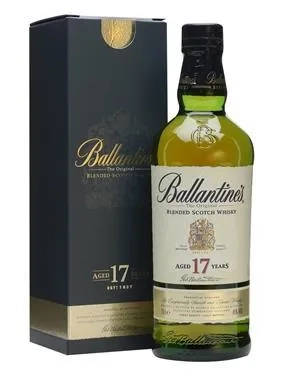
Brand: Ballantines
Ballantine Aged 17 Yrs Blended Scotch Whisky
750ML
Overall Rating: 4.4
₹5,500
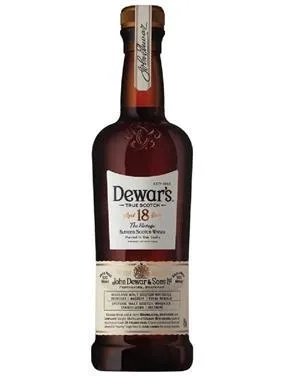
Brand: Dewars
Dewars 18 Yrs
750ML
Overall Rating: 4.2
₹4,800
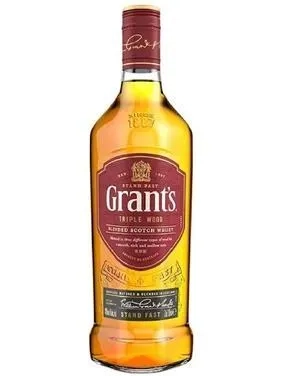
Brand: Grants
Grants Triple Wood
750ML
Overall Rating: 4.6
₹1,200
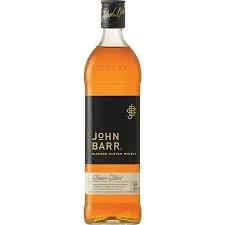
Brand: John Barr
John Barr Reserve Blended Scotch
750ML
Overall Rating: 4.5
₹1,500
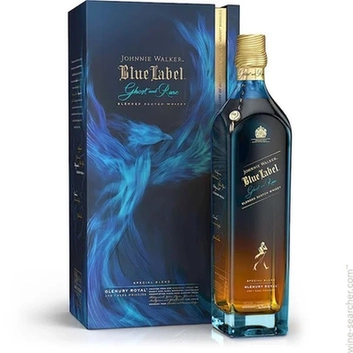
Brand: Johnnie Walker
Johnnie Walker Blue Label Ghost & Rare
750ML
Overall Rating: 4.6
₹26,000
All Categories


Disclaimer:
- We aggregate data from multiple public sources, hence actual prices may vary, visit local retailers for latest information.
- We do not offer Home Delivery. Be aware of fraudsters.
- Drink Less. Drink Better. Drink Responsibly.
- Reach out to us contact@livcheers.com