@cheerspedia
Fruit
💡 Definition
Tasting descriptor for drinks displaying flavours and aromas of various fruits — from fresh, primary fruit notes to dried, baked, or overripe fruit characters depending on style and aging.
What does Fruit mean in tasting?
Fruit notes are the most fundamental flavour layer in most wines and many spirits. The fruit character indicates the grape (or base ingredient), the climate, and the level of ripeness at harvest. Cool-climate fruit shows as crisp citrus, green apple, sour cherry, blackcurrant. Warm-climate fruit shows as ripe peach, plum, blackberry, fig. Tropical fruit (mango, pineapple, banana) suggests very warm climates or specific yeast strains in beer. Dried fruit (raisin, fig, date, prune) develops with aging — typical in aged wines, fortified wines, and aged spirits. Across 2,580 product descriptions on LivCheers, fruit is one of the most common descriptors.
Primary vs Dried Fruit
Primary fruit notes (fresh, ripe, juicy) are characteristic of young wines and unaged spirits. They suggest immediate accessibility and bright flavour. Dried fruit notes (raisin, prune, fig) develop with aging — both in barrel (oxidative changes) and bottle (slow chemical evolution). Aged Bordeaux shows dried fruit notes alongside primary blackcurrant. Aged Scotch develops sherry-cask raisin and dried-fig character. The progression from fresh to dried fruit is one of the most reliable markers of aging.
Frequently Asked Questions
Why does young wine taste fruitier than old wine?
Young wines are dominated by primary fruit aromas from the grapes themselves. As wine ages, primary fruit fades and tertiary aromas (leather, tobacco, mushroom, dried fruit) develop. A 30-year-old wine has very little primary fruit left — but has gained complexity in other dimensions. Both can be excellent.
Are 'fruity' wines lower quality?
No — 'fruity' just means showing primary fruit notes prominently. Many premium wines are fruity (Burgundy Pinot Noir, Beaujolais, ripe Napa Cabernet). Fruitiness is a stylistic choice, not a quality indicator. The criticism comes when 'fruity' tips into 'jammy' or 'one-dimensional' — that's a balance problem, not a fruit problem.
What's 'fruit-forward' in spirits?
Spirits where fruit characters are prominent on the nose and palate. Rum is often fruit-forward (banana, tropical fruit). Some single malts are fruit-forward (Glenmorangie, Glenfiddich). Bourbon shows baked fruit notes. Fruit-forward spirits are typically more accessible than oak-forward or peat-forward spirits.
Published: 2026-04-29
Featured Products
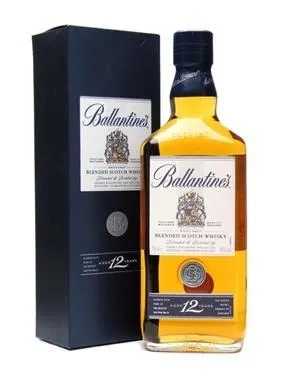
Brand: Ballantines
Ballantine Aged 12 Yrs Blended Scotch Whisky
750ML
Overall Rating: 4.4
₹2,300
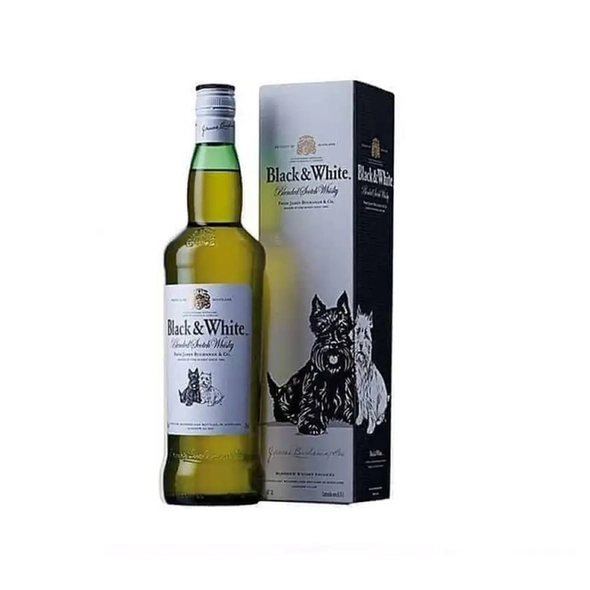
Brand: Black & White
Black & White Impo
750ML
Overall Rating: 4.6
₹1,400
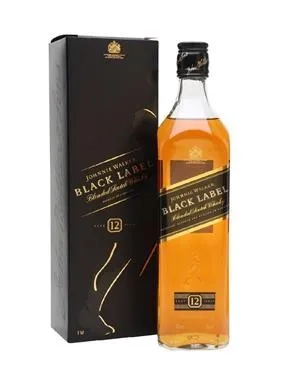
Brand: Johnnie Walker
Johnnie Walker Black Label
750ML
Overall Rating: 4.8
₹2,500
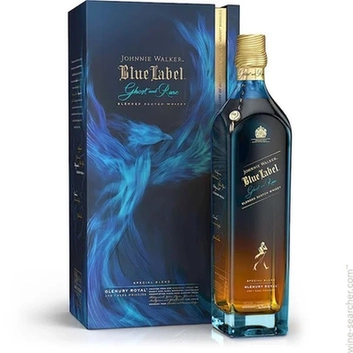
Brand: Johnnie Walker
Johnnie Walker Blue Label Ghost & Rare
750ML
Overall Rating: 4.6
₹26,000
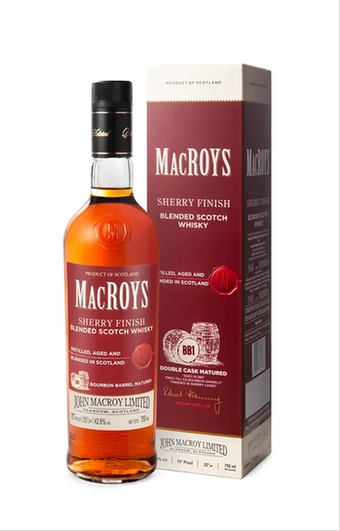
Brand: Macroys
Macroys Sherry Finish Blended Scotch Whisky
750ML
Overall Rating: 4.5
₹1,400
All Categories


Disclaimer:
- We aggregate data from multiple public sources, hence actual prices may vary, visit local retailers for latest information.
- We do not offer Home Delivery. Be aware of fraudsters.
- Drink Less. Drink Better. Drink Responsibly.
- Reach out to us contact@livcheers.com