@cheerspedia
Honey
💡 Definition
A tasting descriptor for the rich, sweet, slightly floral character reminiscent of honey — found in dessert wines, certain whiskies (especially Scotch and Irish), and aged spirits.
Where does Honey character come from?
Honey notes in drinks have multiple sources. In dessert wines (late harvest Riesling, Sauternes, Tokaji), honey character develops from the concentrated sugars in over-ripe grapes, sometimes from noble rot (Botrytis cinerea) which transforms grape character profoundly. In whisky, honey notes come from aging interaction with oak — Speyside single malts are particularly known for honey character (Glenfiddich, Glenmorangie). In Bourbon and aged rum, honey notes complement vanilla and caramel. With 619 mentions across 19 categories on LivCheers, honey is one of the most positive and recognisable tasting descriptors — almost universally indicating quality and aging.
Identifying Honey Notes
Honey character has a distinctive sweet, slightly floral, almost beeswax-like quality that's recognisable from culinary honey. In wine, look for notes of honeysuckle, beeswax, or candied flower nectar in dessert wines. In whisky, honey character is often combined with malt (cereal-honey), oak (vanilla-honey), or fruit (orchard-fruit-and-honey). Premium expressions often emphasise the honey character explicitly — Glenfiddich 18 has clear honey character, as does Hennessy XO. Honey is rarely described as 'too much' — it's a balanced, refined flavour element.
Frequently Asked Questions
What makes a wine 'honeyed'?
Three main factors. High-ripeness harvest produces concentrated sugars that resemble honey. Botrytis (noble rot) further concentrates and transforms grape character toward honey. Extended bottle aging develops honey notes through slow chemical reactions. Sauternes, late-harvest Rieslings, and aged premium Chardonnays all show honey character through one or more of these routes.
Why is Scotch sometimes described as 'honeyed'?
Speyside single malts particularly. The Speyside region's water and traditional production methods, combined with extended aging in ex-Bourbon and ex-sherry casks, produces the honey-malt-fruit character that defines the region. Glenfiddich, Glenmorangie, Glenlivet, and Macallan all show honey notes prominently.
Is honey character more common in older spirits?
Yes — honey notes typically develop with extended oak aging. Young whisky tends toward fruit and malt; aged whisky develops honey character through oxidation and oak interaction. A 12-year Speyside has more honey character than the same distillery's 5-year expression. The same applies to aged rum, Cognac, and Armagnac.
Published: 2026-04-29
Featured Products
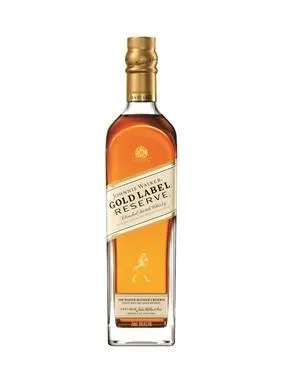
Brand: Johnnie Walker
Johnnie Walker Gold Reserve
750ML
Overall Rating: 4.9
₹4,400
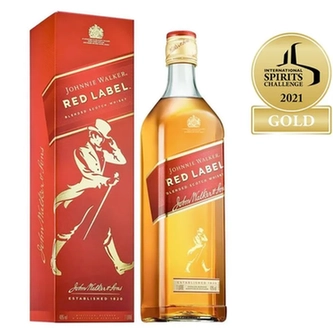
Brand: Johnnie Walker
Johnnie Walker Red Label
750ML
Overall Rating: 4.6
₹1,400
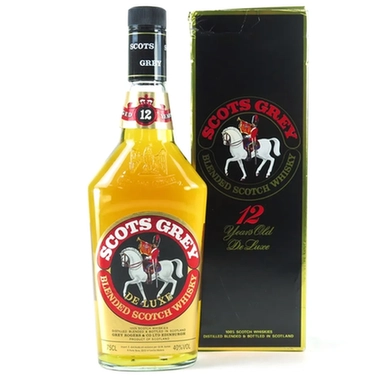
Brand: Scots
Scots Grey
750ML
Overall Rating: 4.4
₹900
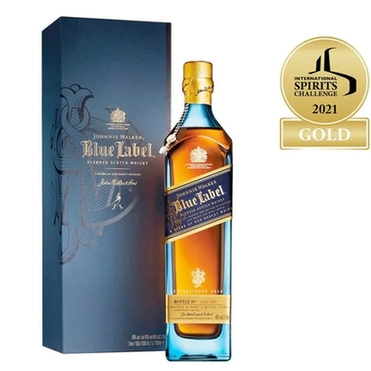
Brand: Johnnie Walker
Johnnie Walker Blue Label London Blended
750ML
Overall Rating: 4.2
₹18,000
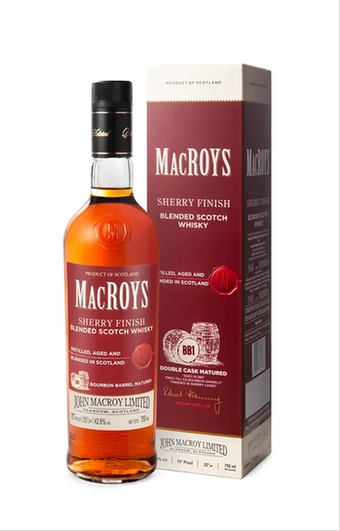
Brand: Macroys
Macroys Sherry Finish Blended Scotch Whisky
750ML
Overall Rating: 4.5
₹1,400
All Categories


Disclaimer:
- We aggregate data from multiple public sources, hence actual prices may vary, visit local retailers for latest information.
- We do not offer Home Delivery. Be aware of fraudsters.
- Drink Less. Drink Better. Drink Responsibly.
- Reach out to us contact@livcheers.com