@cheerspedia
Malt
💡 Definition
A tasting descriptor for the cereal-and-bread-like character that comes from malted barley (or other malted grains) used in whisky, beer, and certain other spirits. The defining ingredient flavour in single malts.
What does Malt taste like?
Malt is the cereal grain (typically barley) that has been germinated and dried to convert starches into sugars — the foundation ingredient for whisky and beer. The flavour notes associated with malt include fresh-baked bread, biscuit, cereal, oats, breakfast porridge, and slight nutty character. In single malt whisky, malt is the dominant flavour layer — Scotch, Irish, and Indian single malts all express their distillery's malt character. In beer, malt provides body and the foundational sweetness. The 894 mentions of malt across 9 LivCheers categories cluster heavily in whisky and beer — the categories where malt is the defining ingredient.
Malt-Forward Drinks
Single malt whisky shows the clearest malt expression — a quality single malt is essentially malted barley distilled and aged, with the malt character running through every stage. Speyside single malts (Glenfiddich, Macallan) often emphasise malt character clearly. Beer styles vary enormously — pilsner is more hop-driven, while Scottish ales, German doppelbocks, and certain stouts are malt-forward. Bourbon has malt character but it's typically subordinate to corn sweetness and oak. Indian whisky, when made with significant malt content (premium blends), shows malt character; budget Indian whisky uses minimal malt and shows little malt character.
Frequently Asked Questions
What's the difference between malt and grain?
Malt is grain (typically barley) that has been deliberately germinated to develop enzymes that convert starch to sugar. Grain refers to any unmalted cereal (corn, wheat, rye, unmalted barley) used in distillation. Malt whisky is made from 100% malted barley; grain whisky uses a mix of grains, with the unmalted ones dominating.
Why does malt matter in whisky?
Malt is the source of much of whisky's flavour complexity. The germination and drying process develops aromatic compounds — bread, biscuit, cereal — that pass through into the final spirit. Whiskies made from primarily malted grain (single malts, Irish single pot still) tend to be more flavourful than those made from primarily unmalted grain (most blended whiskies, neutral grain spirit-based products).
Are malty beers higher in alcohol?
Not necessarily. Malt body is about how heavy the beer feels, not how much alcohol it contains. Malt-forward beer styles include Scottish ales (often moderate alcohol), German doppelbocks (higher alcohol), and certain stouts (variable). Alcohol level depends on the brewing process and final ABV target, not just malt presence.
Published: 2026-04-29
Featured Products
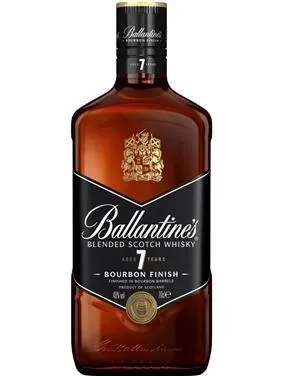
Brand: Ballantines
Ballantine 7Yrs Bourbon Barrel
750ML
Overall Rating: 4.3
₹2,000
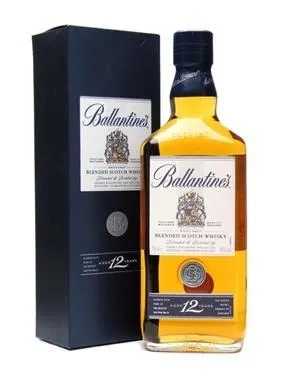
Brand: Ballantines
Ballantine Aged 12 Yrs Blended Scotch Whisky
750ML
Overall Rating: 4.4
₹2,300
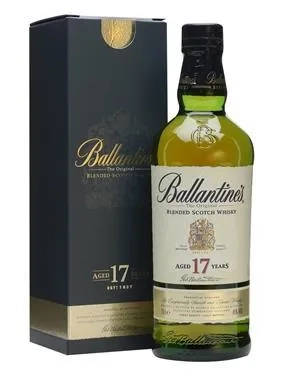
Brand: Ballantines
Ballantine Aged 17 Yrs Blended Scotch Whisky
750ML
Overall Rating: 4.4
₹5,500
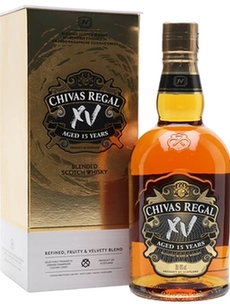
Brand: Chivas Regal
Chivas Regal XV Blended Scotch Whisky
750ML
Overall Rating: 4.5
₹3,500
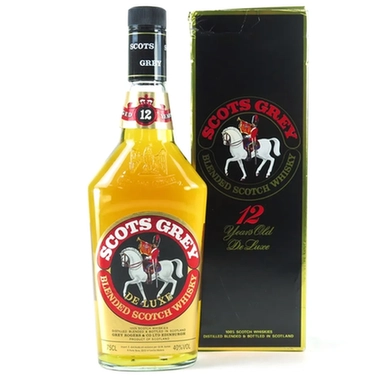
Brand: Scots
Scots Grey
750ML
Overall Rating: 4.4
₹900
All Categories


Disclaimer:
- We aggregate data from multiple public sources, hence actual prices may vary, visit local retailers for latest information.
- We do not offer Home Delivery. Be aware of fraudsters.
- Drink Less. Drink Better. Drink Responsibly.
- Reach out to us contact@livcheers.com