@cheerspedia
Caramel
💡 Definition
A tasting descriptor for the rich, sweet, slightly burnt-sugar character found in many aged spirits, dark beers, and certain wines. Comes primarily from oak aging or malt roasting.
Where does Caramel come from?
Caramel notes develop through several routes. Oak aging is the primary source in spirits — extended barrel time produces caramelised compounds that contribute the sweet, slightly burnt-sugar character. Malt roasting in beer (especially in Bourbon, dark beers, and craft IPAs) produces caramel notes through Maillard reactions. Some producers also add E150 caramel colouring, which contributes both colour and slight caramel flavour to certain whiskies and rums. In aged Scotch, Bourbon, and rum, caramel is one of the most universally recognised positive notes — sweet, comforting, and integrating well with vanilla and oak. With 1,348 mentions across 19 categories, caramel is among the most universal positive descriptors on LivCheers.
Caramel vs Sweet vs Vanilla
These three descriptors are related but distinct. Sweet refers to general sugary impression. Vanilla refers to specific creamy-sweet vanilla bean character. Caramel refers to slightly cooked, browned-sugar character — drier than vanilla and richer than simple sweetness. In aged spirits, all three often appear together — a Bourbon might be described as 'sweet vanilla and caramel,' which means the overall impression is sweet, with vanilla notes (cream, custard) and caramel notes (browned sugar, toffee) both present.
Frequently Asked Questions
Is caramel added to whisky?
Sometimes. E150 caramel colouring is permitted in Scotch and many other whiskies for colour consistency. The amount added is small and primarily affects colour, not flavour. Some craft and premium whiskies are 'natural colour' — no E150 added — and this is highlighted on labels by producers who choose this approach.
Why does aged rum taste so caramel-driven?
Multiple sources. Sugar cane molasses base provides natural caramel character. Tropical aging in oak barrels produces additional caramel from oak interaction. Some rums are also intentionally sweetened with caramel-flavoured additions. The combination produces the rich, sweet caramel profile characteristic of premium aged rums like Old Monk, Ron Diplomático, and Ron Zacapa.
Can wine taste like caramel?
Yes — in specific styles. Heavily oaked Chardonnay can show caramel notes from oak interaction. Aged dessert wines (Tokaji, Sauternes, late-harvest Riesling) develop caramel character from extended bottle aging and the oxidative process. Sherry and Madeira are intentionally produced with caramel character through controlled oxidation.
Published: 2026-04-29
Featured Products
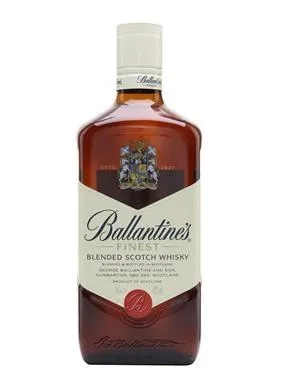
Brand: Ballantines
Ballantine Finest Blended Scotch Whisky
750ML
Overall Rating: 4.7
₹1,400
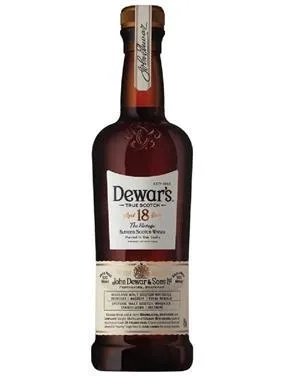
Brand: Dewars
Dewars 18 Yrs
750ML
Overall Rating: 4.2
₹4,800
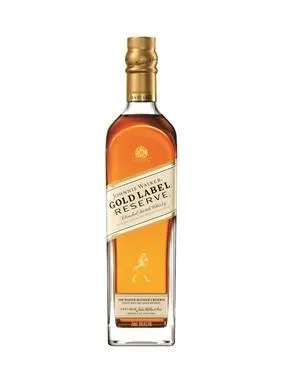
Brand: Johnnie Walker
Johnnie Walker Gold Reserve
750ML
Overall Rating: 4.9
₹4,400
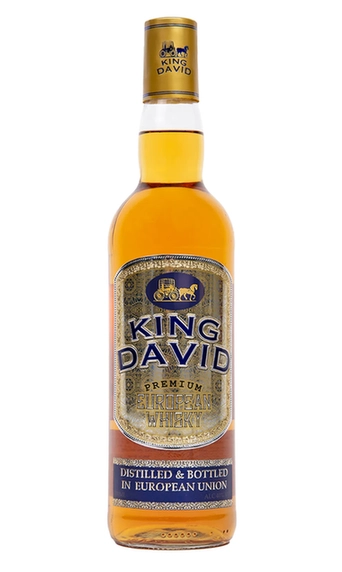
Brand: King David
King David
750ML
Overall Rating: 4.5
₹600
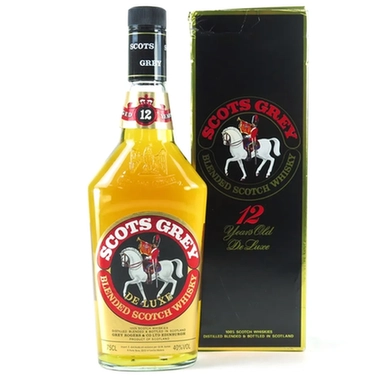
Brand: Scots
Scots Grey
750ML
Overall Rating: 4.4
₹900
All Categories


Disclaimer:
- We aggregate data from multiple public sources, hence actual prices may vary, visit local retailers for latest information.
- We do not offer Home Delivery. Be aware of fraudsters.
- Drink Less. Drink Better. Drink Responsibly.
- Reach out to us contact@livcheers.com