@cheerspedia
Brandy
💡 Definition
A spirit distilled from fermented fruit — typically grapes — and aged in oak barrels. Cognac and Armagnac are the most prestigious brandy sub-categories, while India has its own strong brandy tradition.
What is Brandy?
Brandy is distilled wine. Take grape wine (or other fruit wine), heat it in a still, capture and condense the alcohol vapours, and you have brandy. The name comes from the Dutch 'brandewijn' — burnt wine. After distillation, brandy is typically aged in oak barrels, where it absorbs vanilla, caramel, dried fruit, and spice flavours over months to decades. Cognac is the most famous brandy — but only brandy made in the Cognac region of France can use that name. Brandy made elsewhere — Armagnac, Spanish brandy, Indian brandy — follows different traditions but shares the same distilled-wine foundation.
💡 Fact
Brandy was the world's most prestigious spirit for over 400 years — from the 1500s through the early 1900s — before whisky overtook it in global popularity.
How Brandy is made
Grape juice (or other fruit juice) is fermented into wine — typically a low-alcohol, high-acid base wine specifically suited for distillation. The wine quality directly affects the final brandy quality.
The wine is distilled, usually twice in copper pot stills. The double distillation concentrates alcohol from ~10% in the wine to ~60–70% in the new-make spirit. Continuous distillation in column stills is also used for some brandy styles.
The new-make spirit is filled into oak barrels. French oak (for Cognac) and Limousin oak deliver different character. Aging ranges from a few months for entry-level brandy to 50+ years for prestige releases.
Multiple casks are blended to achieve the house style. The brandy is reduced to bottling strength (typically 40% ABV) with distilled water and bottled. Caramel may be added for colour consistency.
Reading a brandy label — VS, VSOP, XO
These age categories are legally defined for Cognac and many other brandies. Indian brandies use similar terminology but aren't bound by the same legal definitions — read the label carefully, and check the producer's stated aging.
What does Brandy taste like?
Across 138 Brandy products on LivCheers, the dominant tasting descriptors are oak, fruit, smooth, spice, caramel, vanilla, rich, and aged. The category leans warm and sweet — caramel and vanilla from oak barrels, dried fruit notes from extended aging, and a smooth, slightly spicy finish. Younger brandies (VS) emphasise fresh fruit and floral notes; aged brandies (XO and beyond) develop leather, tobacco, dark chocolate, and dried fig complexity. Cognac is typically more elegant and floral; Indian brandy tends toward richer, sweeter profiles built for the Indian palate.
How to drink Brandy
Pour into a tulip glass or small snifter — not the oversized balloon glasses you've seen in films. The narrower opening concentrates aromas. Hold the bowl in your palm to gently warm the spirit; body heat releases the volatile aromas. VS-grade brandy works well in cocktails (Sidecar, Brandy Sour) or on the rocks. VSOP is versatile — neat, on the rocks, or in elevated cocktails. XO and older expressions should be sipped neat, slowly, from a small pour. In India, brandy with hot water and honey is a traditional winter remedy that doubles as a comforting drink.
💡 Tip
Brandy and Indian sweets are an underrated pairing. The caramel and dried fruit notes in aged brandy complement gulab jamun, jalebi, and barfi beautifully — better than dessert wine in many cases.
Brandy in India
India has a long brandy tradition, particularly in the south where brands like Mansion House, Honey Bee, and Morpheus dominate. Brandy is one of the few spirits where Indian brands hold meaningful market share against international competition. Premium expressions (Morpheus Premium, Ti Courrier Napoleon) compete with imported VSOP cognacs at significantly lower prices. The price spectrum on LivCheers is ₹110 to ₹9,460 — covering everyday Indian brandies all the way to imported XO Cognacs. With 36,281 monthly Google searches for brandy-related queries, this is one of the highest-search-volume categories in Indian alcobev.
Frequently Asked Questions
What's the difference between Brandy and Cognac?
All Cognac is brandy, but not all brandy is Cognac. Cognac must be made in the Cognac region of France, from specific grape varieties (mainly Ugni Blanc), double-distilled in copper pot stills, and aged in French oak. Brandy from anywhere else follows different rules and traditions.
Why is brandy popular in India during winter?
Cultural and practical reasons. Brandy is associated with warmth — both the 'warming' sensation of the alcohol and traditional use with hot water and honey for cold relief. The strong, sweet, caramel-forward Indian brandy profile pairs well with cold weather. Sales spike from October through February.
Is Indian brandy real brandy?
Yes. Indian brandy is distilled from fermented grape wine and aged in oak, meeting the international definition of brandy. It uses different grape varieties and aging traditions than Cognac, producing a sweeter, richer profile that suits Indian taste preferences. Premium Indian brandies (Morpheus, Mansion House Reserve) compete favourably with imported VS and VSOP cognacs.
What's a good entry-level brandy?
Mansion House Brandy or Honey Bee for a classic Indian experience under ₹500. Morpheus Premium Brandy (₹1,500–₹2,500) for a meaningful step up in quality. Hennessy VS or Martell VS (₹3,500–₹5,000) to enter the Cognac category. All are well-stocked on LivCheers with city-specific pricing.
Published: 2026-04-29
Featured Products
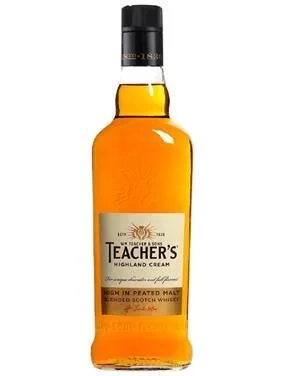
Brand: Teachers
Teachers Highland Cream
750ML
Overall Rating: 4.6
₹1,550
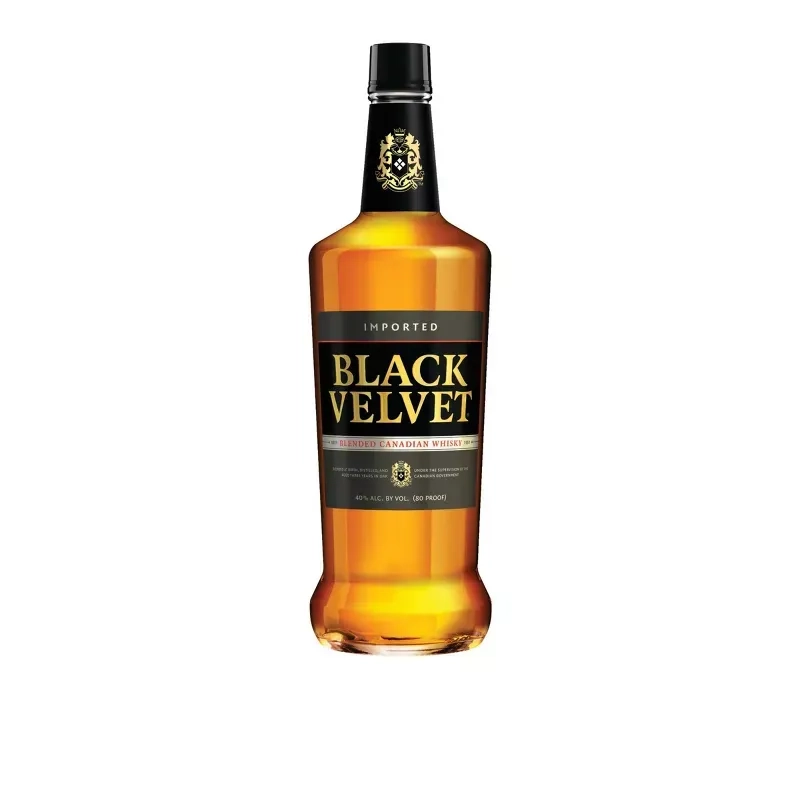
Brand: Black Velvet
Black Velvet Blended Canadian Whisky
750ML
Overall Rating: 4
₹2,900
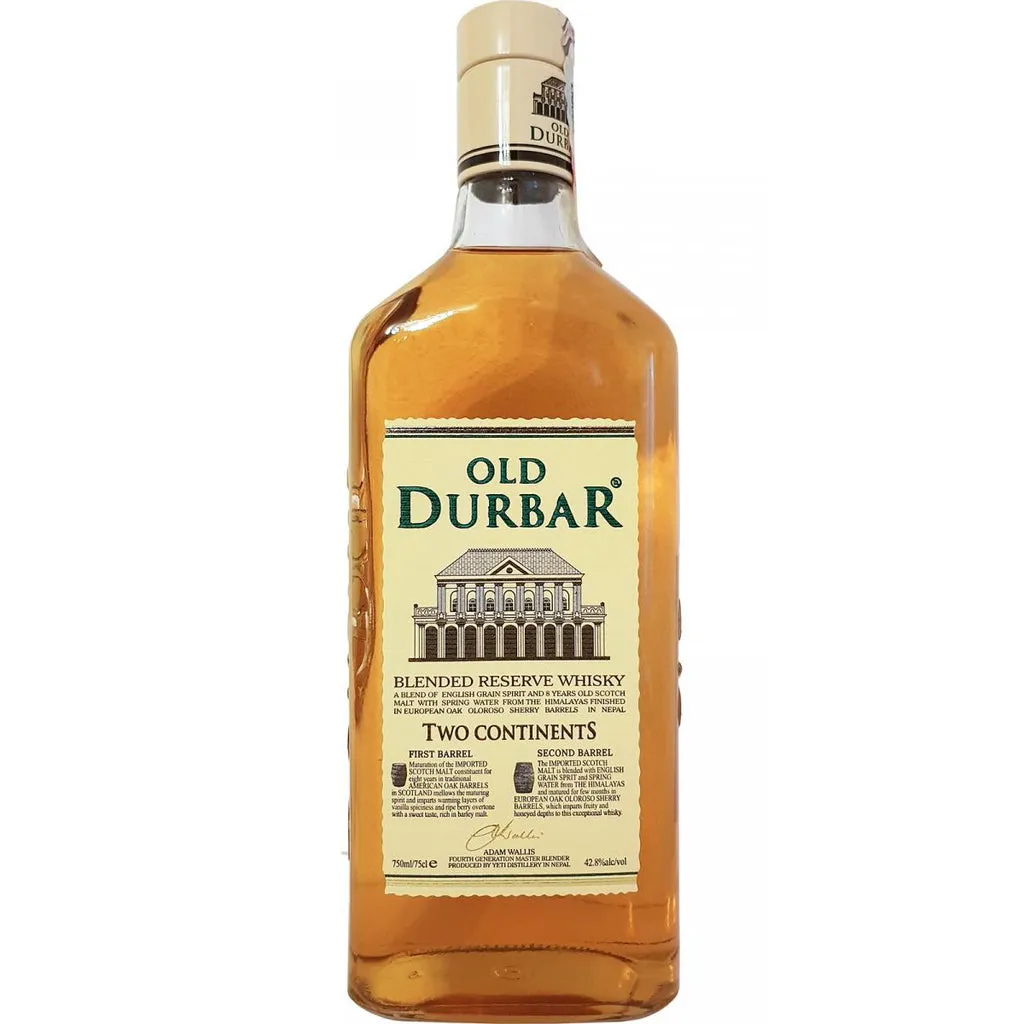
Brand: Old Durbar
Old Durbar Blended Reserve
750ML
Overall Rating: 5
₹1,150
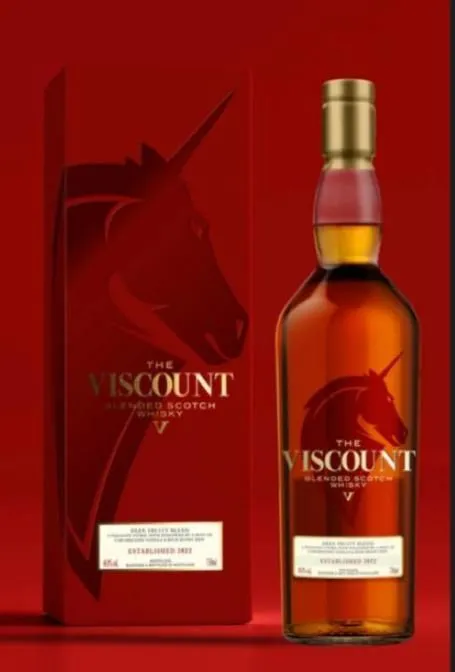
Brand: Viscount
The Viscount Blend.
750ML
Overall Rating: 4.7
₹2,700
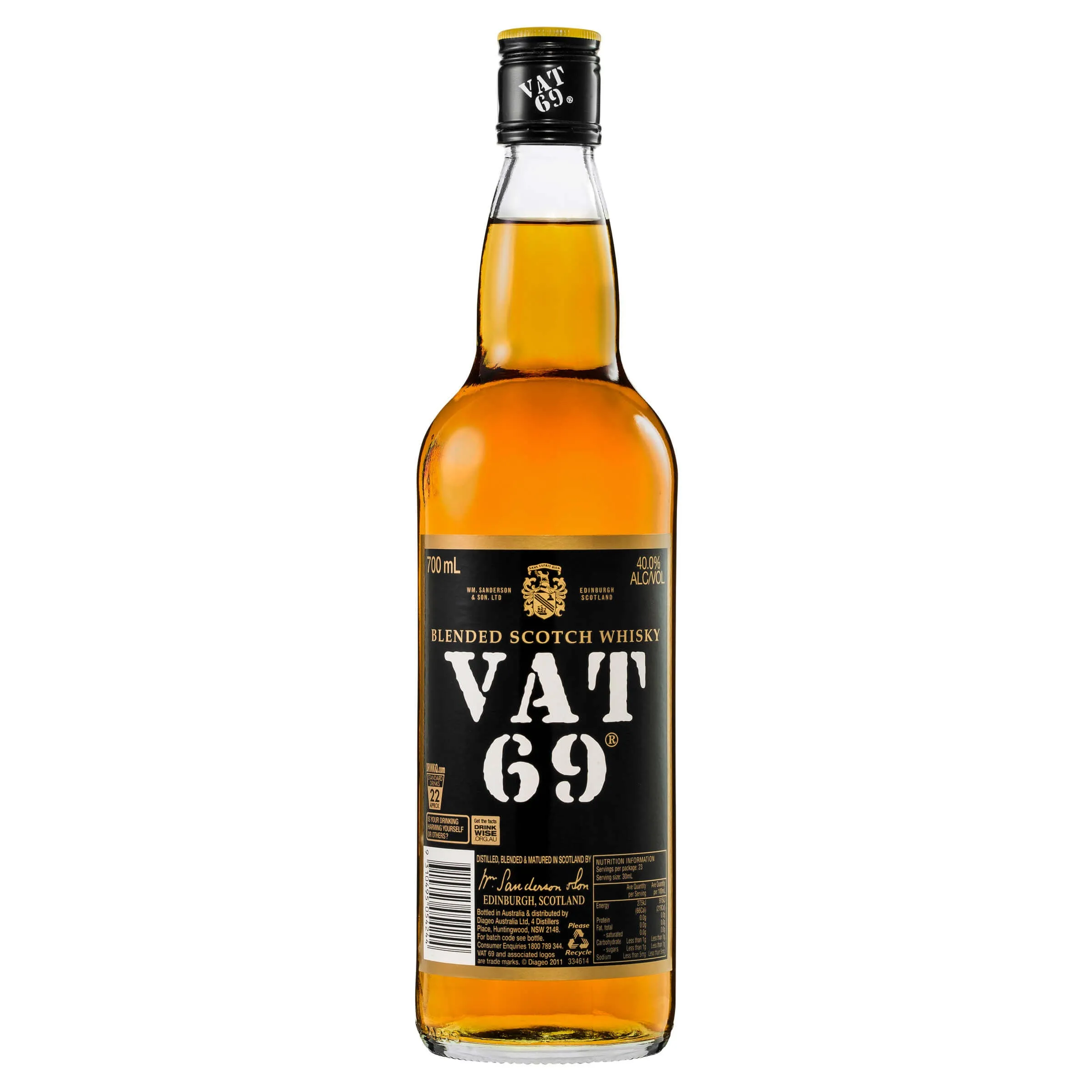
Brand: Vat 69
Vat 69 Blended Scotch Whisky
750ML
Overall Rating: 5
₹1,380
All Categories


Disclaimer:
- We aggregate data from multiple public sources, hence actual prices may vary, visit local retailers for latest information.
- We do not offer Home Delivery. Be aware of fraudsters.
- Drink Less. Drink Better. Drink Responsibly.
- Reach out to us contact@livcheers.com