@cheerspedia
Prosecco
💡 Definition
An Italian sparkling wine made from the Glera grape, primarily produced in the Veneto and Friuli regions using the Charmat (tank) method. Lighter, fruitier, and more affordable than Champagne.
What is Prosecco?
Prosecco is Italy's answer to Champagne — but it's its own thing entirely, not a copy. Made primarily from the Glera grape (with up to 15% other permitted grapes), Prosecco is produced using the Charmat method, where the second fermentation happens in pressurised tanks rather than individual bottles. This approach is faster and cheaper than traditional method, and it produces a lighter, fresher, more fruit-forward wine than Champagne. Prosecco's strength is approachability — pear, apple, white peach, and floral notes, with light bubbles and modest alcohol (typically 11–11.5%). It's the world's most-consumed sparkling wine, and its rise has been one of the great stories in wine over the last 20 years.
Prosecco vs Champagne
How to drink Prosecco
Serve well-chilled — 6–8°C. Use a tulip glass or flute. Prosecco is best within 1–2 years of release; it doesn't age well and is meant to be drunk fresh. The classic Prosecco cocktail is the Aperol Spritz (Aperol, Prosecco, soda water, served over ice with an orange slice). The Bellini (Prosecco with peach purée) is the other essential. Prosecco also works as a casual celebration wine — same atmospheric impact as Champagne at a fraction of the cost.
Frequently Asked Questions
Is Prosecco from a specific region?
Yes — Prosecco is a protected designation. It must be produced in nine specific provinces in northeastern Italy (Veneto and Friuli-Venezia Giulia). Prosecco DOC is the entry-level designation; Prosecco DOCG (from the Conegliano Valdobbiadene area) is the premium level.
What's Prosecco Superiore?
Prosecco DOCG (the higher classification) — also called Prosecco Superiore. It comes from a smaller, hilly area between Conegliano and Valdobbiadene, where the steeper vineyards produce more concentrated grapes. Generally better quality and more complex than basic Prosecco DOC.
Should Prosecco be sweet or dry?
Most Prosecco is Brut (dry) or Extra Dry (slightly sweeter than Brut, despite the confusing name). Dry Prosecco is the sweetest commonly available style — actually noticeably sweet despite the 'dry' label. Most cocktail recipes assume Brut Prosecco.
Published: 2026-04-29
Featured Products
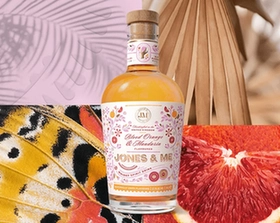
Brand: Jones & Me
Jones & Me
750ML
Overall Rating: 4.4
₹1,650
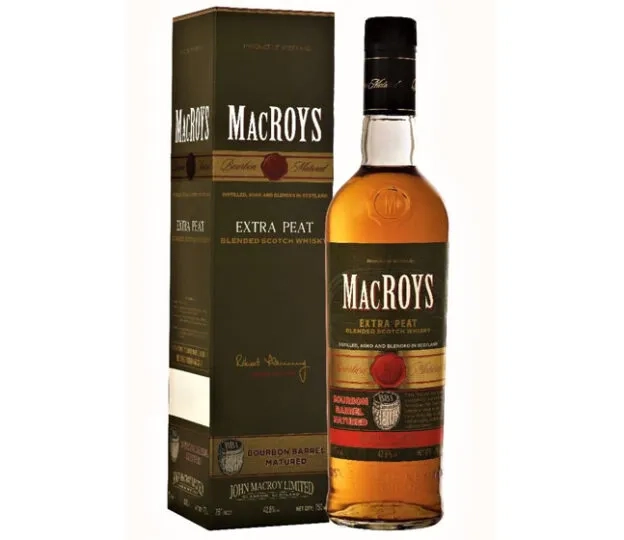
Brand: Macroys
Macroys Special Reserve Blended Scotch Whisky
750ML
Overall Rating: 4.6
₹1,780
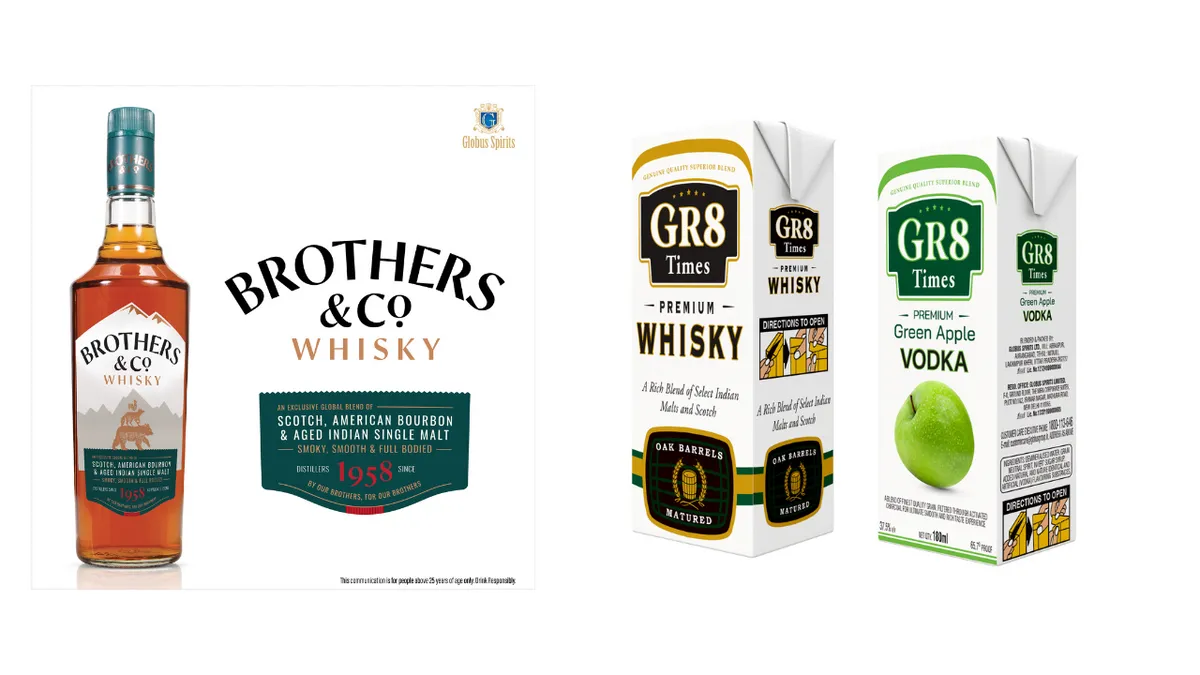
Brand: Brothers & Co
Brothers & Co Blended Whisky
750ML
Overall Rating: 4.7
₹600
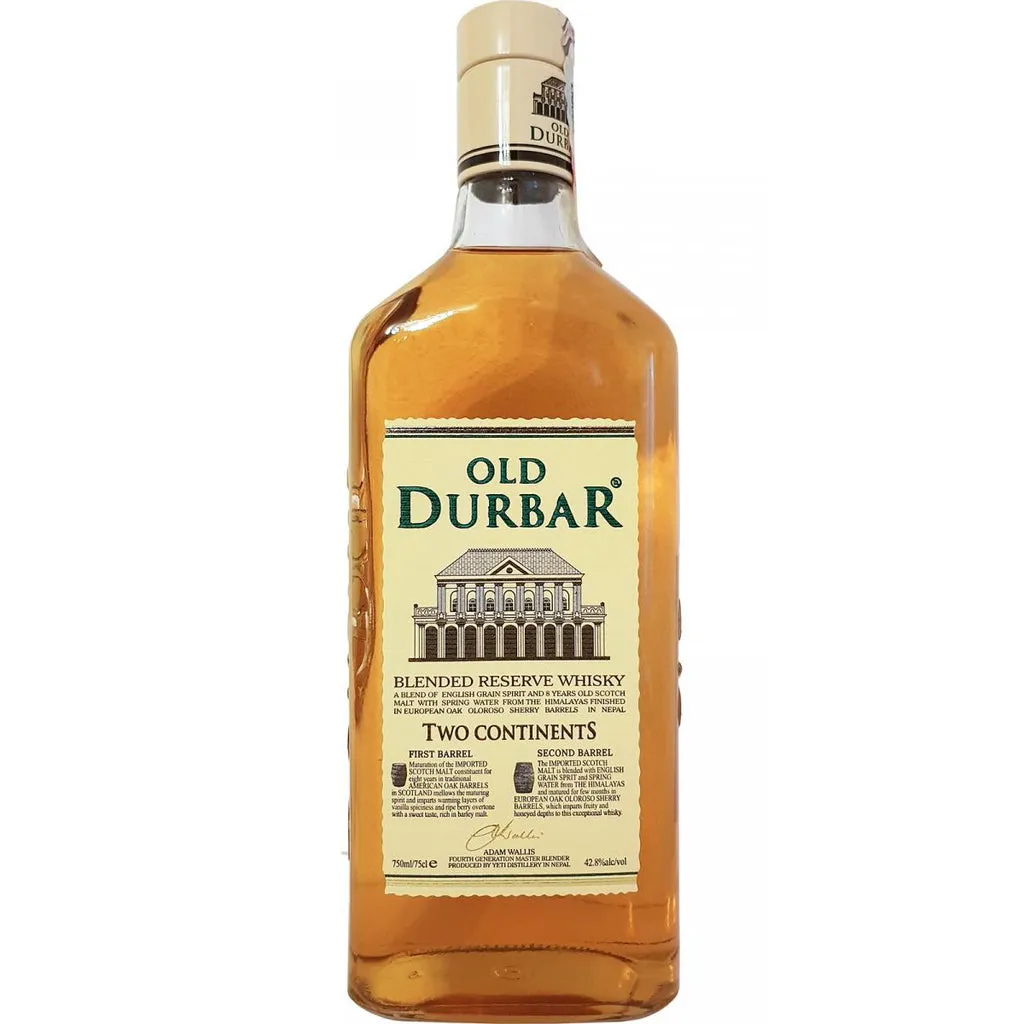
Brand: Old Durbar
Old Durbar Blended Reserve
750ML
Overall Rating: 5
₹1,150
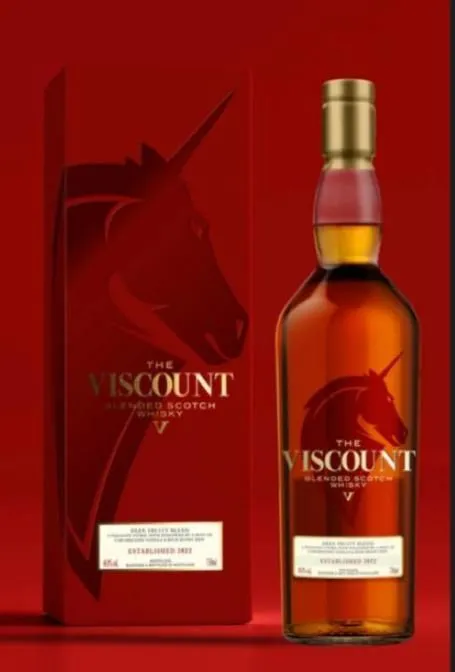
Brand: Viscount
The Viscount Blend.
750ML
Overall Rating: 4.7
₹2,700
All Categories


Disclaimer:
- We aggregate data from multiple public sources, hence actual prices may vary, visit local retailers for latest information.
- We do not offer Home Delivery. Be aware of fraudsters.
- Drink Less. Drink Better. Drink Responsibly.
- Reach out to us contact@livcheers.com