
@cheerspedia
Italian Varietals
💡 Definition
Wines made from Italian indigenous grape varieties — including Sangiovese, Nebbiolo, Barbera, Montepulciano, Nero d'Avola, and dozens of regional varieties unique to Italy.
What are Italian Varietals?
Italy has over 350 officially recognised wine grape varieties — more than any other country. While international grapes (Cabernet, Chardonnay) are now planted in Italy, the country's identity comes from indigenous varieties grown for centuries: Sangiovese (the grape of Chianti and Brunello), Nebbiolo (Barolo, Barbaresco), Barbera (everyday Piedmont reds), Montepulciano (Abruzzo), Nero d'Avola (Sicily), Aglianico (Campania, Basilicata), and many more. Each region has its own grape traditions. This diversity is Italy's secret strength — and the reason Italian varietals reward exploration more than perhaps any other category.
Key Italian Varietals
Sangiovese is Italy's most-planted red — the grape of Chianti, Brunello di Montalcino, and Vino Nobile di Montepulciano. Bright cherry, herbs, balanced acidity. Nebbiolo is the noble grape of Piedmont — produces Barolo and Barbaresco, the longest-aging Italian wines (15–30+ years). Tar, roses, intense tannin. Barbera is approachable Piedmont — fresh acidity, fruit-forward, food-friendly. Nero d'Avola is Sicily's signature — dark, ripe, slightly rustic. Montepulciano d'Abruzzo offers exceptional value — full-bodied, plum-driven, affordable. All are designed to pair with Italian food.
How to drink Italian Varietals
By style. Light Italian reds (Barbera, young Sangiovese) at 14–16°C. Full-bodied Italian reds (Brunello, Barolo) at 16–18°C. Italian wines are food wines — they shine alongside Italian cuisine but also pair beautifully with Indian food. Sangiovese with margherita pizza or tomato-based curries. Nebbiolo with rich, slow-cooked meats. Barbera with everyday pasta or kebab. Italian whites (covered separately) follow the same logic — chilled, food-friendly.
Frequently Asked Questions
Why are Italian varietals so diverse?
Geography and history. Italy's regions developed in isolation for centuries, each preserving local grape varieties. Mountainous terrain prevented widespread monoculture. Cultural pride preserved indigenous grapes when France was standardising. The result: 350+ grape varieties still in commercial use.
What's the difference between Chianti and Brunello?
Both are Sangiovese-based Tuscan reds, but Brunello di Montalcino uses 100% Sangiovese (clone called Sangiovese Grosso) and ages longer (5+ years). Chianti can blend Sangiovese with up to 20% other grapes and ages less. Brunello is fuller, more structured, and typically 3–5x more expensive.
What's a good Italian varietal for beginners?
Chianti Classico (Sangiovese) — accessible, food-friendly, around ₹1,500–₹3,000. For whites, Pinot Grigio. For something more adventurous but still approachable, try a Montepulciano d'Abruzzo (full-bodied, fruity) or a Nero d'Avola (ripe, sunny Sicilian).
Published: 2026-04-29
Featured Products
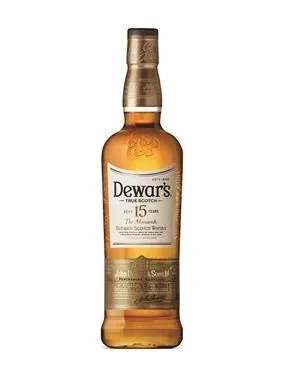
Brand: Dewars
Dewars 15 Year
750ML
Overall Rating: 4.5
₹3,930
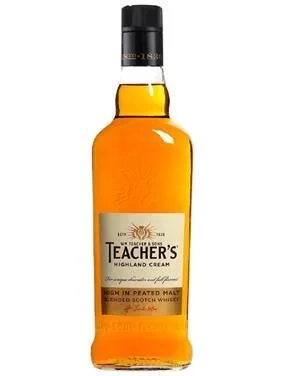
Brand: Teachers
Teachers Highland Cream
750ML
Overall Rating: 4.6
₹1,550
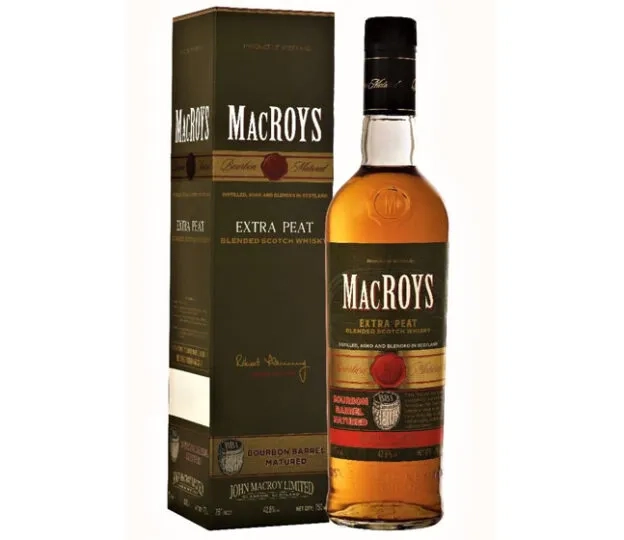
Brand: Macroys
Macroys Special Reserve Blended Scotch Whisky
750ML
Overall Rating: 4.6
₹1,780
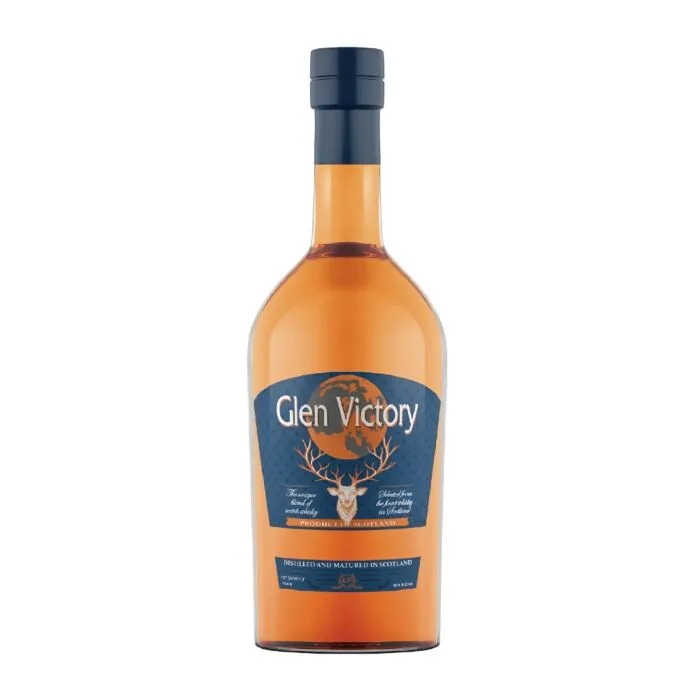
Brand: Glen Victory
Glen Victory
750ML
Overall Rating: 5
₹2,395
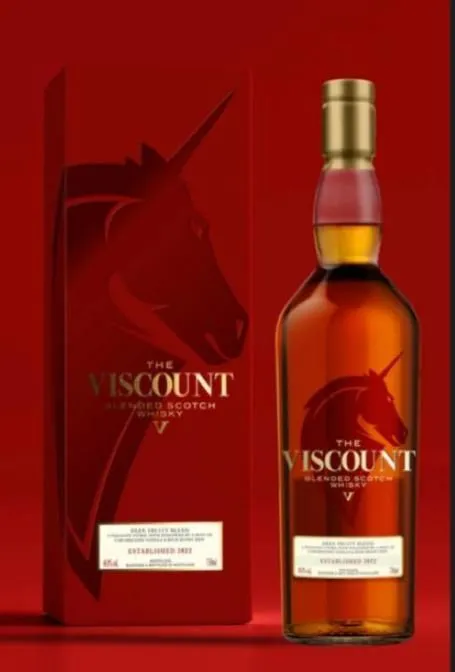
Brand: Viscount
The Viscount Blend.
750ML
Overall Rating: 4.7
₹2,700
All Categories


Disclaimer:
- We aggregate data from multiple public sources, hence actual prices may vary, visit local retailers for latest information.
- We do not offer Home Delivery. Be aware of fraudsters.
- Drink Less. Drink Better. Drink Responsibly.
- Reach out to us contact@livcheers.com