
@cheerspedia
Sake
💡 Definition
A traditional Japanese alcoholic beverage made by fermenting polished rice with koji mold, water, and yeast. Typically 14–16% ABV. Not a wine and not a beer — sake is its own unique fermentation tradition.
What is Sake?
Sake is brewed (not distilled) but it's not beer either. The process is unique to sake: koji mold (Aspergillus oryzae) converts rice starch into sugar, while yeast simultaneously ferments that sugar into alcohol. This 'multiple parallel fermentation' doesn't exist in any other drink — it allows sake to reach alcohol levels (14–16%) that wouldn't be possible through simple fermentation alone. The result is a beverage that sits between wine and beer in character — the body and complexity of wine, with the cereal backbone of beer. In Japan, sake is as culturally significant as wine in France. It pairs with food more versatilely than perhaps any other beverage and can be served warm, cool, or at room temperature depending on the style.
Sake Grades — The Polish Matters
Sake quality is determined largely by how much the rice is polished (milled) before brewing. Junmai is pure rice sake — no added alcohol, full-bodied, often slightly rustic. Honjozo has a small amount of distilled alcohol added — lighter and more aromatic. Ginjo (rice polished to 60% or less of original size) is more refined, with delicate fruit and floral notes. Daiginjo (polished to 50% or less) is premium — elegant, fragrant, and complex. The smaller the resulting grain, the cleaner and more aromatic the resulting sake. Premium Daiginjo is among the most sophisticated alcoholic beverages in the world.
How to serve Sake
Depends on the grade. Premium Ginjo and Daiginjo should be chilled (8–12°C) — warming destroys their delicate aromatics. Junmai and Honjozo can be served at any temperature — warming at 40–50°C brings out richness, umami, and rounded sweetness. Room temperature works for most everyday sake. Use a small porcelain cup (ochoko) or small wine glass — the shape concentrates aromatics. Once opened, refrigerate and consume within 1–2 weeks.
Frequently Asked Questions
Is sake the same as rice wine?
Sake is technically rice wine, but the term 'rice wine' is sometimes also used for cooking wines (mirin) and distilled rice spirits (shochu). True sake is specifically the brewed beverage made with koji and parallel fermentation — distinct from these other rice-based drinks.
Should sake be served warm or cold?
Depends on the grade and season. Premium sake (Ginjo, Daiginjo) should be chilled — warming destroys delicate aromatics. Everyday sake (Junmai, Honjozo) can be served warm, especially in winter — heating brings out richness and warmth. Hot sake is traditional but can mask quality, so it's typically reserved for less premium expressions.
Does sake pair with Indian food?
Surprisingly well. Sake's mild acidity and umami character complement spice without competing. A chilled Ginjo with butter chicken or sushi works beautifully. Junmai with grilled meats and rich curries. The umami amplifies savoury notes in food.
Published: 2026-04-29
Featured Products
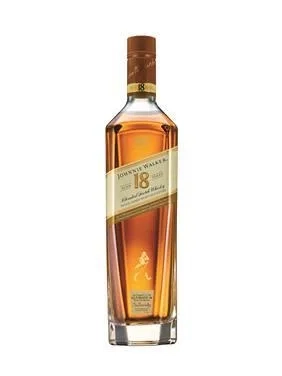
Brand: Johnnie Walker
Johnnie Walker 18 Yrs
750ML
Overall Rating: 4.8
₹8,000
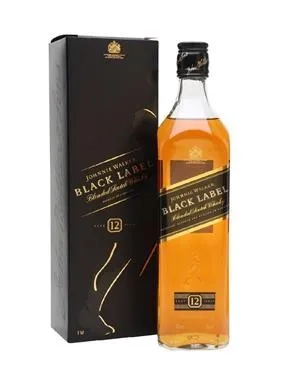
Brand: Johnnie Walker
Johnnie Walker Black Label
750ML
Overall Rating: 4.8
₹4,005
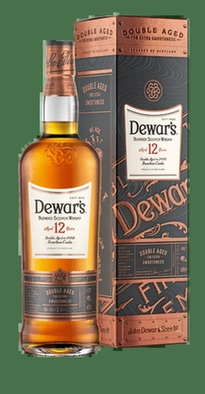
Brand: Dewars
Dewars Double Aged Bourbon Casks Aged 12 Years
750ML
Overall Rating: 4
₹4,000
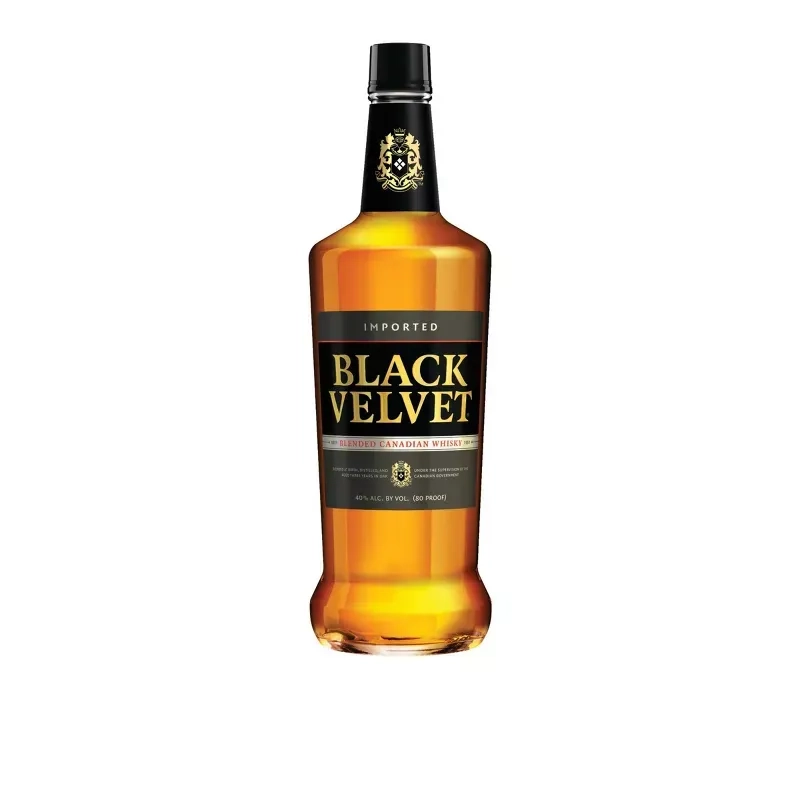
Brand: Black Velvet
Black Velvet Blended Canadian Whisky
750ML
Overall Rating: 4
₹3,250
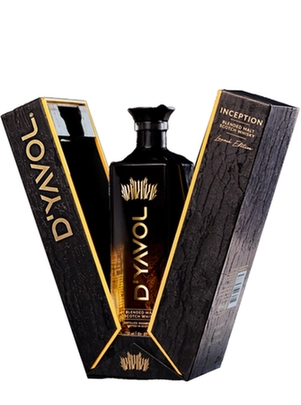
Brand: Dyavol
D'Yavol Inception Blended Malt Scotch Whisky
750ML
Overall Rating: 4.1
₹7,995
All Categories


Disclaimer:
- We aggregate data from multiple public sources, hence actual prices may vary, visit local retailers for latest information.
- We do not offer Home Delivery. Be aware of fraudsters.
- Drink Less. Drink Better. Drink Responsibly.
- Reach out to us contact@livcheers.com