@cheerspedia
Scotch
💡 Definition
Whisky produced exclusively in Scotland from malted barley (and sometimes other cereals), distilled, and matured in oak casks for at least three years. Legally protected under the Scotch Whisky Regulations 2009.
What is Scotch?
Scotch is whisky from Scotland — but the word 'Scotch' carries weight that 'whisky' alone doesn't. To be called Scotch, a whisky must be distilled and matured exclusively in Scotland, made from cereals (primarily malted barley), aged in oak casks of no more than 700 litres for a minimum of three years, and bottled at no less than 40% ABV. No artificial flavours, no shortcuts, no imitations. These are not marketing claims — they are legally enforced under the Scotch Whisky Regulations 2009. Scotch is the most copied and most protected whisky category in the world.
💡 Fact
The Scotch Whisky Regulations are some of the most rigorously enforced food and drink laws on earth — Scotland's distillers actively prosecute brands that misuse the term 'Scotch' anywhere in the world.
How Scotch is made
Barley is malted (germinated, then dried) to convert starches into sugars. The malted barley is ground and mixed with hot water to extract these sugars, producing a sweet liquid called wort.
Yeast is added to the wort, fermenting the sugars into alcohol over 2–3 days. The result is a low-strength beer called the 'wash' (around 8% ABV).
The wash is distilled twice in copper pot stills (for malt whisky) or in column stills (for grain whisky). Distillation concentrates the alcohol and develops flavour through copper contact.
The distilled spirit is filled into oak casks and matured in Scotland for a minimum of three years. Most Scotch ages 8–25+ years; the cask type (ex-Bourbon, ex-sherry, ex-port) shapes the final flavour.
Types of Scotch
Beyond these two main categories, you'll also find Single Grain Scotch (from one distillery, but using cereals beyond just malted barley), Blended Malt (multiple single malts blended together with no grain whisky), and Blended Grain (multiple grain whiskies from different distilleries).
Scotch regions and their flavour profiles
Scotch's character is geographically driven. Speyside whiskies (Glenfiddich, Macallan, Glenlivet) are honeyed, fruity, often sherried — the gateway region. Highland whiskies span a wide range from light and floral to rich and full-bodied (Glenmorangie, Dalmore). Islay whiskies (Laphroaig, Ardbeg, Lagavulin) are powerfully smoky and peated — divisive and unforgettable. Lowland whiskies are gentle and grassy (Glenkinchie, Auchentoshan). Campbeltown is briny and complex (Springbank). Each region's geology, water, and traditional cask choices produce distinctly different whiskies — even when made the same way.
What does Scotch taste like?
Across 157 Scotch products on LivCheers, the dominant tasting descriptors are oak, malt, fruit, spice, and smooth. But the spectrum is enormous. Speyside Scotch leans honey, vanilla, and orchard fruit. Islay Scotch leans smoke, peat, brine, and seaweed. Highland Scotch sits between the two with structure and depth. Cask choice adds another layer — sherry-cask matured Scotch has dried fruit and chocolate notes, while ex-Bourbon casks contribute vanilla and coconut. The price range on LivCheers (₹2,900 to ₹17,000) reflects this depth: premium Scotch is one of the most rewarded and complex spirits in the world.
How to drink Scotch
Premium Scotch (single malts, aged blends) deserves a tulip-shaped or Glencairn glass for nosing. Pour 30ml, nose gently, then sip neat. Some prefer a few drops of room-temperature water — this opens up volatile aromas trapped by alcohol. Avoid ice with premium Scotch (it numbs the palate) but use it freely with entry-level blends in a highball. Standard blends (Teachers, VAT 69, Black & White) are designed for mixing with soda or water — and there's no shame in drinking them that way.
💡 Tip
Whisky is a long-game drink. Spend 10 minutes nosing before sipping — half the experience of premium Scotch is in the aroma.
Frequently Asked Questions
What's the difference between Scotch and whisky?
All Scotch is whisky, but not all whisky is Scotch. Scotch must be made in Scotland following strict legal rules. Whisky from elsewhere — Irish, American, Japanese, Indian — follows different rules and has different flavour profiles.
Is older Scotch always better?
Not necessarily. Age develops complexity but also costs money. A well-made 12-year-old Scotch can be more enjoyable than a poorly-aged 25-year-old. Beyond 25 years, oak influence can dominate the spirit. Match age to price, and don't pay a premium just for the number.
Why does Scotch have such different prices?
Cask costs, distillery prestige, age, and rarity. A 12-year-old Glenfiddich at ₹4,000 and a 21-year-old at ₹17,000 reflect the cost of holding inventory for an extra 9 years (with 2% annual evaporation), plus brand positioning. Limited editions and old releases command further premiums.
Can I mix Scotch with cola?
With entry-level blends, yes — they're designed for it. With premium single malts, you'd be wasting money. The general rule: under ₹3,000, mix freely. Above ₹5,000, drink neat or with a few drops of water. Between, use your judgment.
Published: 2026-04-29
Featured Products
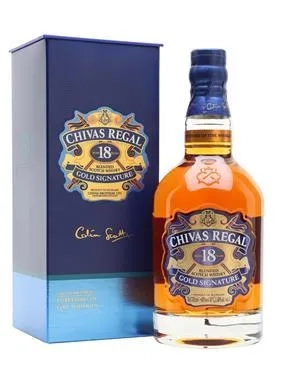
Brand: Chivas Regal
Chivas Regal 18 Yrs Blended Scotch Whisky
750ML
Overall Rating: 4.4
₹8,050
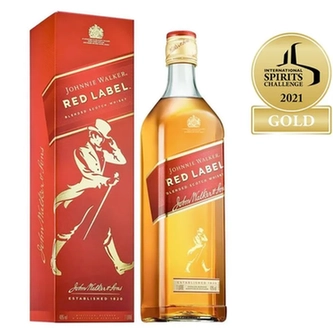
Brand: Johnnie Walker
Johnnie Walker Red Label
750ML
Overall Rating: 4.6
₹2,810
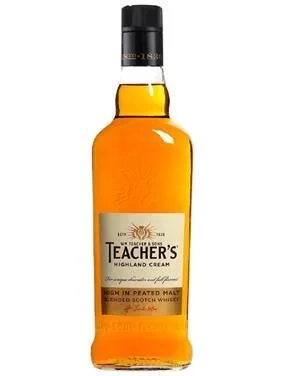
Brand: Teachers
Teachers Highland Cream
750ML
Overall Rating: 4.6
₹2,360
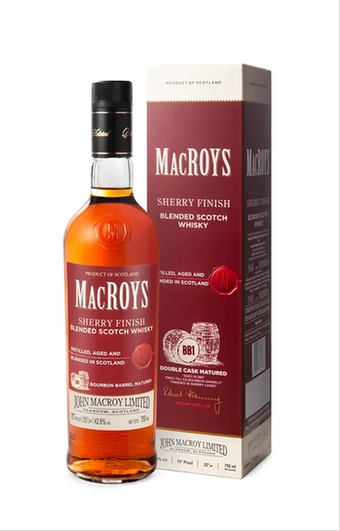
Brand: Macroys
Macroys Sherry Finish Blended Scotch Whisky
750ML
Overall Rating: 4.5
₹2,800
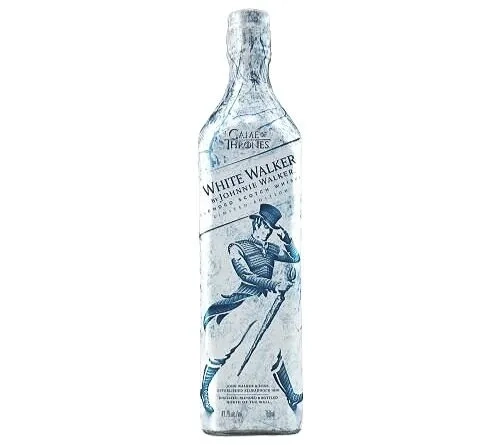
Brand: Johnnie Walker
Johnnie Walker White Walker
750ML
Overall Rating: 4.2
₹7,883
All Categories


Disclaimer:
- We aggregate data from multiple public sources, hence actual prices may vary, visit local retailers for latest information.
- We do not offer Home Delivery. Be aware of fraudsters.
- Drink Less. Drink Better. Drink Responsibly.
- Reach out to us contact@livcheers.com