
@cheerspedia
Japanese
💡 Definition
Whisky produced in Japan using Scottish-derived methods adapted to Japanese sensibilities — emphasising harmony, balance, and meticulous craft. Includes single malts, blends, and grain whiskies.
What is Japanese Whisky?
Japanese whisky was born in 1923 when Masataka Taketsuru, who had studied distillation in Scotland, returned home and founded what became Suntory. Today, Japan produces some of the world's most prestigious whisky. Suntory (Yamazaki, Hakushu, Hibiki) and Nikka (Yoichi, Miyagikyo, From The Barrel) are the giants. The Japanese approach mirrors Scotch in method — pot stills, malted barley, oak casks — but diverges in philosophy. Japanese whisky emphasises balance, harmony, and precision over individual character. The result is whisky that tends toward elegance rather than power, with distinctive notes from Mizunara (Japanese oak) casks: sandalwood, incense, coconut, and tropical fruit.
Major Japanese Whisky Styles
Japanese single malts (Yamazaki, Hakushu, Yoichi) follow Scottish single malt principles but with Japanese terroir. Yamazaki is typically softer and more elegant; Hakushu is herbal and forest-like; Yoichi is bolder and slightly smoky. Japanese blends (Hibiki, Nikka From The Barrel) are widely respected — Hibiki Harmony is a benchmark of blended whisky craft globally. Japanese single grain whiskies (Nikka Coffey Grain) are unique, made on column stills with elegant fruit and toffee character. The challenge for buyers: Japanese whisky is increasingly scarce due to global demand exceeding production capacity, leading to dramatic price increases and category shortages.
How to drink Japanese Whisky
The Japanese way is the highball — Japanese whisky with cold sparkling water and a large ice cube, in a tall glass. This is the standard serving style in Japanese bars and is genuinely excellent — especially with Hibiki, Toki, or Nikka From The Barrel. For premium single malts, neat in a Glencairn glass with optional water drops. Japanese whisky is also exceptional in cocktails — a Whisky Sour with Suntory Toki is remarkably good. Avoid heavy ice or aggressive mixing with premium Japanese whisky; the finesse is the point.
Frequently Asked Questions
Why is Japanese whisky so expensive now?
Demand outstripped supply. From 2010 to 2020, Japanese whisky won every major international award. Global demand exploded. But you can't accelerate aging — a 12-year-old Yamazaki needs 12 years of inventory. The result: many expressions are now allocated, prices have multiplied 3–10x, and some have been discontinued or reformulated.
What's a good entry to Japanese whisky?
Suntory Toki (a blend, around ₹4,000–₹6,000) is the most accessible introduction — excellent in highballs. Nikka From The Barrel is the next step up — bolder character. For single malts, Yamazaki 12 (when available) is the benchmark. For grain whisky, Nikka Coffey Grain is exceptional and unique.
Are 'Japanese' whiskies always made in Japan?
Until 2021, no — there were no rules. Many 'Japanese whiskies' contained imported Scotch or Canadian whisky, just bottled in Japan. New regulations (effective 2024) require all Japanese whisky to be made entirely in Japan from approved cereals. Older bottles and some current ones may still contain imported spirits — check producer transparency.
Published: 2026-04-29
Featured Products
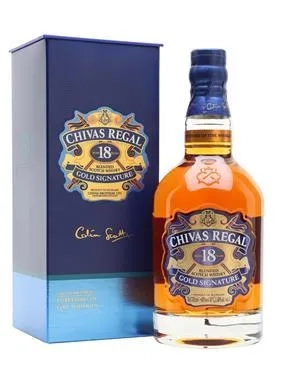
Brand: Chivas Regal
Chivas Regal 18 Yrs Blended Scotch Whisky
750ML
Overall Rating: 4.4
₹8,050
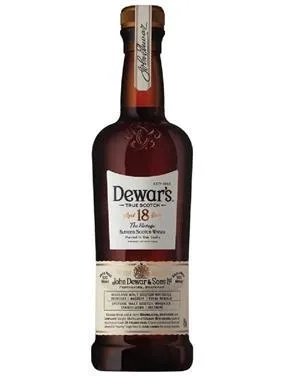
Brand: Dewars
Dewars 18 Yrs
750ML
Overall Rating: 4.3
₹8,665
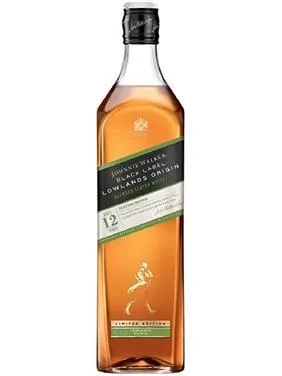
Brand: Johnnie Walker
Johnnie Walker Black Label Lowlands Origin Blender
750ML
Overall Rating: 4.5
₹5,150
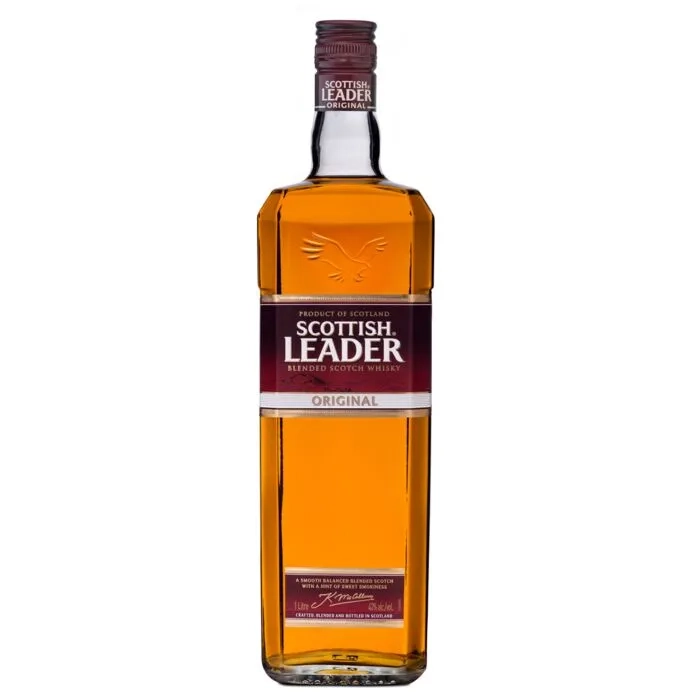
Brand: Scottish Leader
Scottish Leader Blended Scotch Whisky
750ML
Overall Rating: 4.7
₹2,395
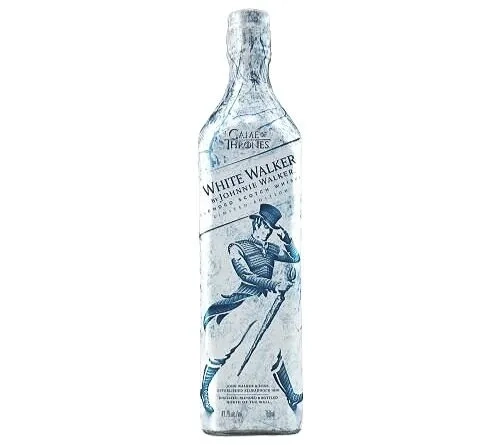
Brand: Johnnie Walker
Johnnie Walker White Walker
750ML
Overall Rating: 4.2
₹7,883
All Categories


Disclaimer:
- We aggregate data from multiple public sources, hence actual prices may vary, visit local retailers for latest information.
- We do not offer Home Delivery. Be aware of fraudsters.
- Drink Less. Drink Better. Drink Responsibly.
- Reach out to us contact@livcheers.com