@cheerspedia
Champagne
💡 Definition
Sparkling wine produced exclusively in the Champagne region of France using the méthode champenoise — secondary fermentation in the bottle. The most prestigious and rigorously regulated sparkling wine in the world.
What is Champagne?
Champagne is a place, a method, and a product all at once. To be called Champagne, a wine must be made in the Champagne appellation in northeast France, from approved grape varieties (primarily Chardonnay, Pinot Noir, and Pinot Meunier), using the traditional method of in-bottle secondary fermentation, and aged according to strict minimums. The process is labour-intensive: after second fermentation creates bubbles, bottles are slowly rotated over weeks (riddling) to collect yeast sediment in the neck, then frozen and ejected (disgorgement). What remains is wine of extraordinary finesse — fine bubbles, complex layers of toast, brioche, citrus, and mineral that no other sparkling wine quite matches.
Reading a Champagne Label
NV (Non-Vintage) is a blend across years — the house's signature style. Vintage Champagne comes from a single exceptional year and ages longer. Blanc de Blancs is 100% Chardonnay — elegant and citrusy. Blanc de Noirs uses only dark grapes (Pinot Noir, Pinot Meunier) — fuller and fruitier. Rosé Champagne comes from brief skin contact or blending in still red wine. Prestige cuvée is the house's top offering — Dom Pérignon (Moët), Cristal (Roederer), Grand Siècle (Laurent-Perrier). The pricing on LivCheers (₹9,999 to ₹18,760) reflects this hierarchy.
How to serve Champagne
7–9°C — slightly warmer than budget sparkling wine, because Champagne has more complexity worth experiencing at warmer temperatures. A tulip glass outperforms a flute: the wider bowl lets you nose the wine. Never freeze Champagne (damages the mousse). Ice bucket with water and ice for 30 minutes is ideal. Open by twisting the bottle (not the cork) with the cork covered. Pour at an angle, slowly, to preserve mousse. Vintage Champagnes can benefit from a few minutes of breathing in the glass — like decanting a red wine, but on a smaller scale.
Frequently Asked Questions
Why is Champagne so expensive?
Regulated scarcity. Only 34,000 hectares of vineyard qualify. Grapes must be hand-harvested. Production process is slow and labour-intensive (minimum 15 months aging for non-vintage, 3 years for vintage). Supply is fixed; global demand keeps growing. Plus brand premiums for the major houses.
Is Dom Pérignon worth ₹25,000+?
As a wine, Dom Pérignon is exceptional — vintage-only, aged 7+ years before release, consistently outstanding. As a value proposition, it depends on your frame. You're paying for both the wine and the prestige. Several smaller-house Champagnes deliver comparable quality at half the price.
Can Champagne age?
Yes — vintage Champagne can improve for 10–20+ years in proper storage. Non-vintage Champagne is designed for immediate drinking but can age 3–5 years. Flavours evolve from citrus and toast toward honey, hazelnut, and oxidative complexity. Storage matters: cool, dark, on its side.
Published: 2026-04-29
Featured Products
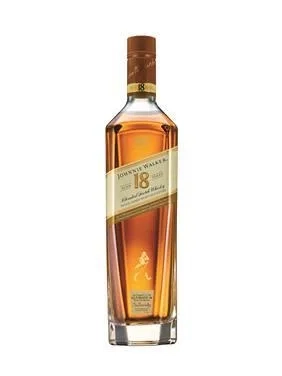
Brand: Johnnie Walker
Johnnie Walker 18 Yrs
750ML
Overall Rating: 4.8
₹8,000
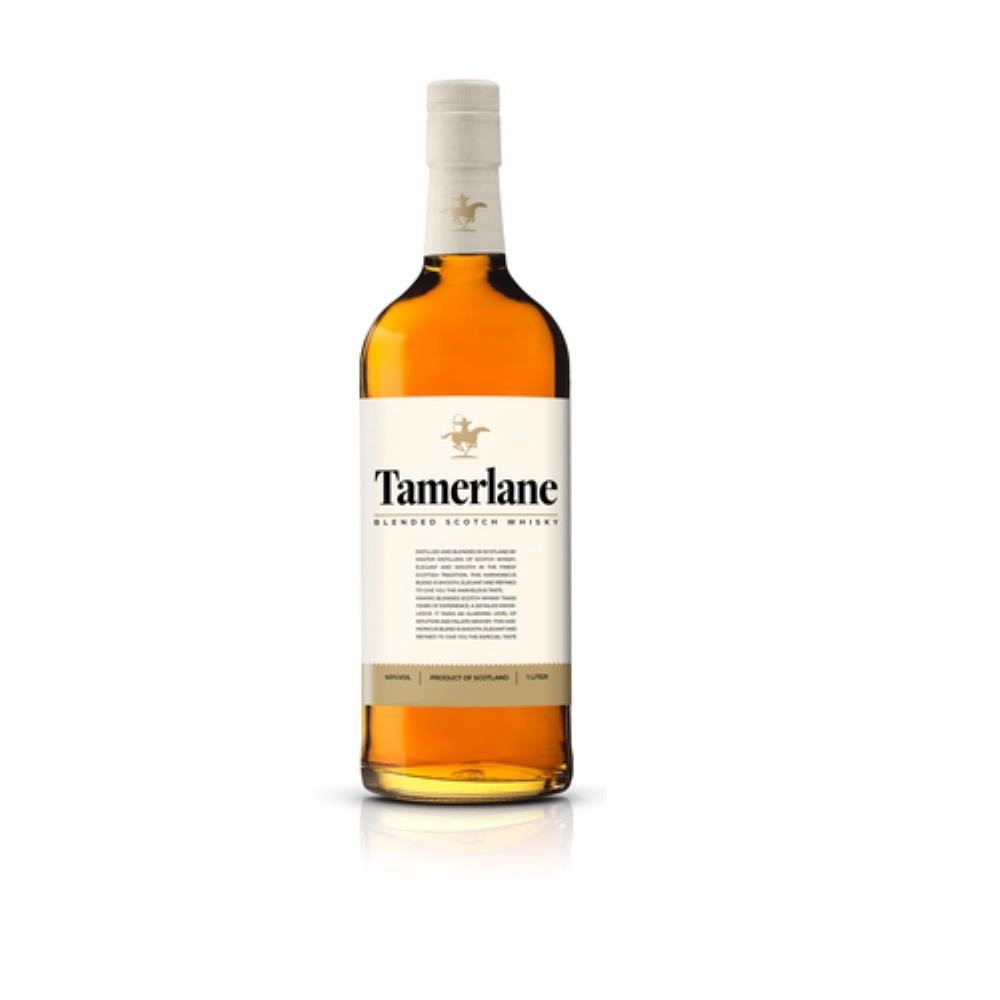
Brand: Tamerlane
Tamerlane
750ML
Overall Rating: 4.6
₹2,830
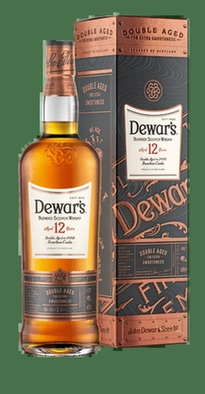
Brand: Dewars
Dewars Double Aged Bourbon Casks Aged 12 Years
750ML
Overall Rating: 4
₹4,000
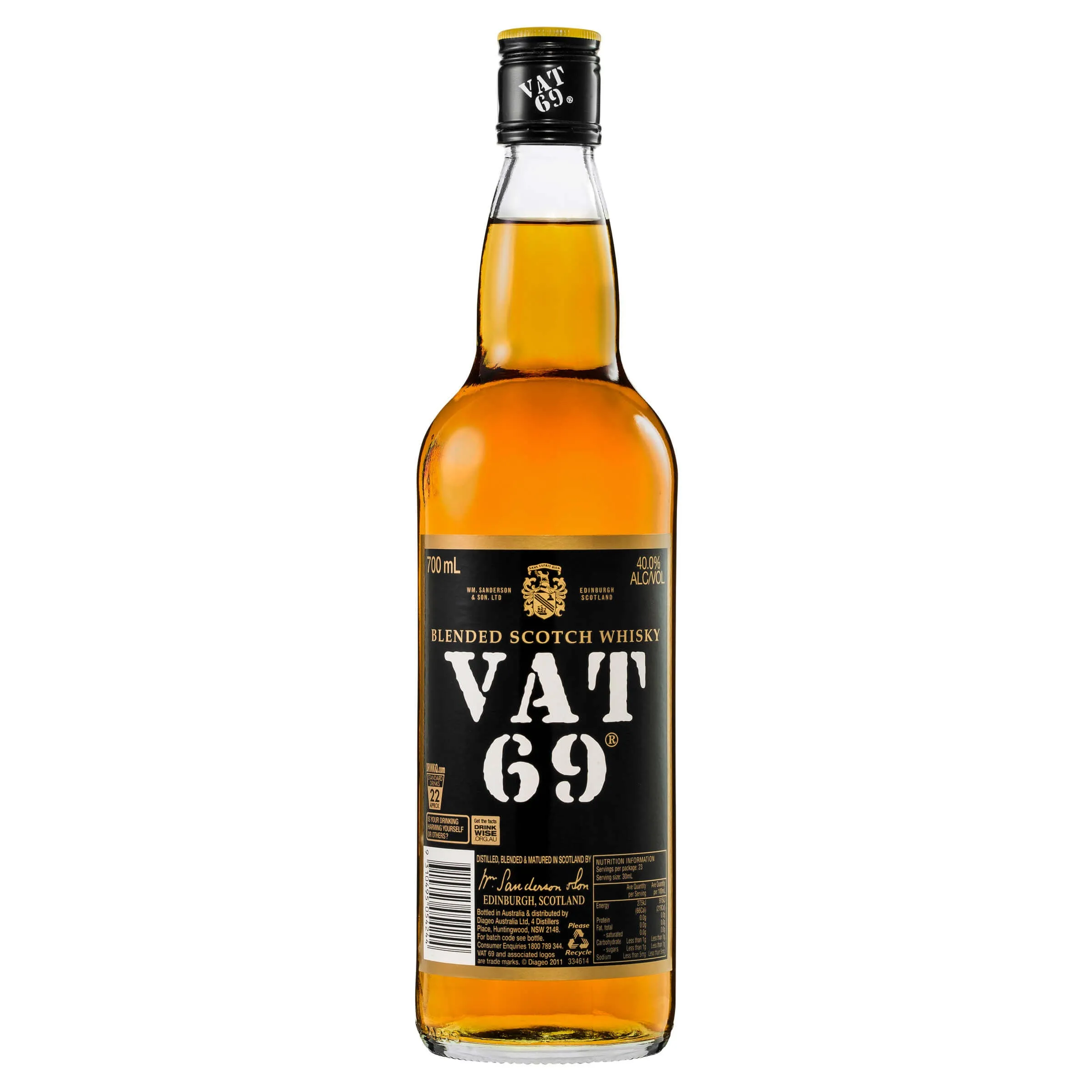
Brand: Vat 69
Vat 69 Blended Scotch Whisky
750ML
Overall Rating: 5
₹2,375
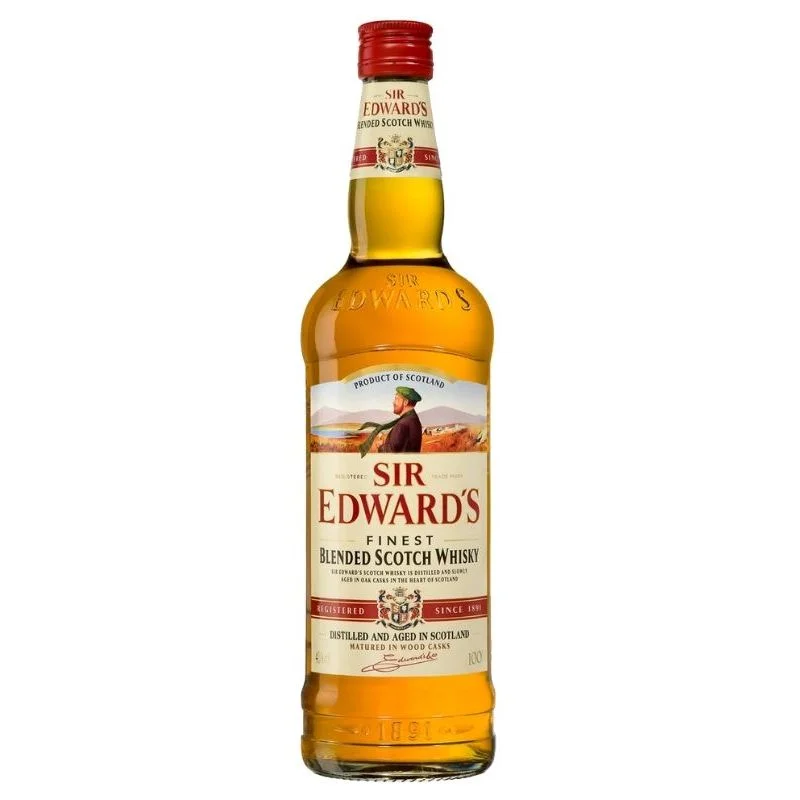
Brand: Sir Edwards
Sir Edward's Finest Blended Scotch Whisky
750ML
Overall Rating: 4
₹3,365
All Categories


Disclaimer:
- We aggregate data from multiple public sources, hence actual prices may vary, visit local retailers for latest information.
- We do not offer Home Delivery. Be aware of fraudsters.
- Drink Less. Drink Better. Drink Responsibly.
- Reach out to us contact@livcheers.com