
@cheerspedia
Versatile Blends
💡 Definition
Wine blends specifically designed for versatility — balanced, food-friendly, and suitable for a wide range of occasions and cuisines without requiring specific food pairings.
What are Versatile Blends?
Some wines demand specific foods. A tannic Barolo needs red meat. A leather-driven Burgundy wants poultry and mushrooms. A grippy Cabernet Sauvignon fights light dishes. Versatile blends are deliberately built to avoid these constraints — moderate tannin, balanced acidity, fruit-forward but not jammy, with enough complexity to be interesting but enough roundness to handle anything from grilled vegetables to spiced curries to cheese platters. They're the wines you bring to a dinner party when you don't know what's being served, or open at home when no specific dish is planned.
What makes a wine 'versatile'?
Three things. First, balance — neither too tannic, too acidic, nor too sweet. Second, moderate body — light enough to pair with chicken and fish, full enough to handle red meat. Third, restrained but present flavour — enough character to be enjoyable, not so dominant that it competes with food. Most versatile blends are red — Pinot Noir-based blends, light Grenache blends, mid-weight Sangiovese — but versatile whites exist too (off-dry Riesling, unoaked Chenin Blanc). The price tier on LivCheers (₹1,860–₹2,500) reflects the careful balancing act.
When to choose a Versatile Blend
Group dinners with mixed food preferences — versatile blends work for vegetarians, meat eaters, and seafood lovers simultaneously. Indian food at home — cuisines with multiple dishes per meal benefit from a wine that handles all of them. Party hosting — when you don't know what people will eat. Casual sipping — when you want wine without committing to a food pairing. Avoid versatile blends only when you're cooking something specific that deserves a dedicated wine match.
Frequently Asked Questions
Is 'versatile' a code word for 'mediocre'?
Not necessarily. Versatility requires careful winemaking — balance is hard to achieve. Some of the world's most respected wines (Côtes du Rhône village blends, light Bordeaux, Beaujolais-Villages) are deliberately versatile. The category includes both careful, well-made wines and uninspired commercial blends. Read producer reviews to distinguish.
What's the most versatile wine for Indian food?
An off-dry Riesling or a Pinot Noir-based blend — both have the acidity, fruit, and body to handle the spice, oil, and complexity of typical Indian meals without competing. Grover La Reserve and various Chenin Blanc-based whites also work well across multiple Indian cuisines.
Should versatile blends be aged?
No. These wines are designed for immediate drinking — within 2–3 years of vintage. Aging would defeat the purpose; the soft, balanced character that makes them versatile would shift toward more structured, food-demanding profiles.
Published: 2026-04-29
Featured Products
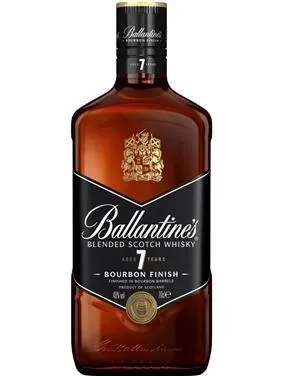
Brand: Ballantines
Ballantine 7Yrs Bourbon Barrel
750ML
Overall Rating: 4.3
₹3,420
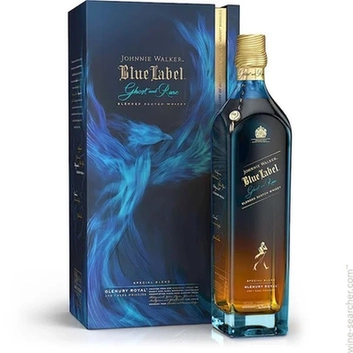
Brand: Johnnie Walker
Johnnie Walker Blue Label Ghost & Rare
750ML
Overall Rating: 4.6
₹15,500
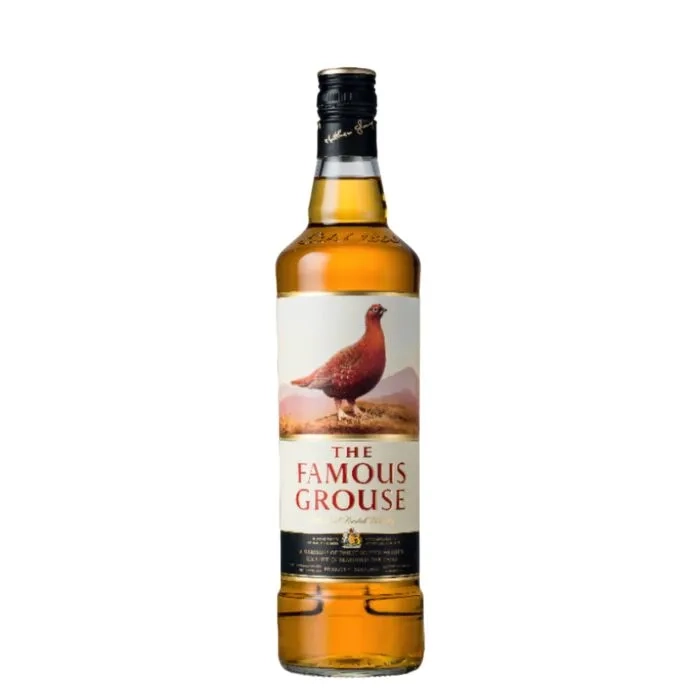
Brand: Famous Grouse
The Famous Grouse
750ML
Overall Rating: 4.2
₹3,395
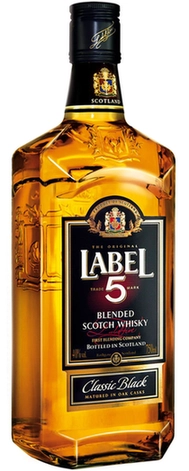
Brand: Label 5
Label 5 Blended Scotch Whisky
750ML
Overall Rating: 4.4
₹3,030
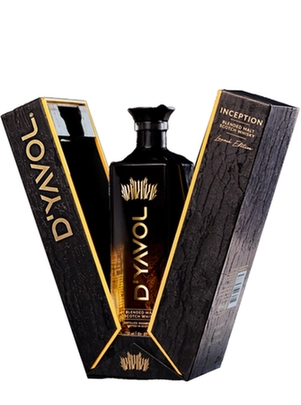
Brand: Dyavol
D'Yavol Inception Blended Malt Scotch Whisky
750ML
Overall Rating: 4.1
₹7,995
All Categories


Disclaimer:
- We aggregate data from multiple public sources, hence actual prices may vary, visit local retailers for latest information.
- We do not offer Home Delivery. Be aware of fraudsters.
- Drink Less. Drink Better. Drink Responsibly.
- Reach out to us contact@livcheers.com