
@cheerspedia
Bordeaux Blend
💡 Definition
A red wine made from the classic Bordeaux grape varieties — Cabernet Sauvignon, Merlot, Cabernet Franc, Petit Verdot, and Malbec — in proportions varying by sub-region and producer.
What is a Bordeaux Blend?
The Bordeaux blend is the most copied wine style in the world — and the original. Five grapes are permitted: Cabernet Sauvignon, Merlot, Cabernet Franc, Petit Verdot, and Malbec. The proportions vary by region and producer. Left Bank Bordeaux (Médoc, Pauillac, Margaux) is Cabernet-led — structured, age-worthy, with blackcurrant and cedar. Right Bank Bordeaux (Saint-Émilion, Pomerol) is Merlot-led — softer, plummier, more approachable young. Bordeaux producers don't typically declare grape proportions on labels — the assumption is that a Pauillac wine is Cabernet-dominant, while a Saint-Émilion is Merlot-dominant.
Left Bank vs Right Bank
How to approach Bordeaux
Bordeaux is a system, not just a wine. The 1855 Classification ranked Médoc châteaux into five 'growths' (crus) — First Growth (Lafite, Latour, Margaux, Mouton, Haut-Brion) at the top. Saint-Émilion has its own classification. Generic Bordeaux (the entry-level appellation) is everyday wine — drink within 5 years. Cru Bourgeois and second wines of major châteaux are mid-tier — drink within 10 years. Classed Growths are the prestige tier — age 15–30+ years. Vintage matters significantly: 2009, 2010, 2015, 2016, 2018, 2019, 2020 are recent strong years.
Frequently Asked Questions
What's the difference between 'Bordeaux' and a Bordeaux-style blend made elsewhere?
Geography and rules. 'Bordeaux' wine must be made in the Bordeaux region of France under specific appellation rules. Bordeaux-style blends made in California, Australia, India, or Chile use the same grapes but follow different (or no) production rules. Quality varies — top-tier Napa Cabernet blends rival Bordeaux; everyday New World blends don't.
Is a Bordeaux blend always expensive?
No. Generic Bordeaux AOC starts at ₹1,000–₹1,500 for everyday drinking. Cru Bourgeois is ₹2,500–₹6,000. Classed Growths start around ₹10,000 and go up dramatically. First Growths are ₹50,000+ per bottle. The system has options at every price point.
How do I store Bordeaux at home?
Cool (12–18°C), dark, away from vibration, ideally on its side to keep the cork moist. Indian conditions (heat, humidity) are challenging — a wine fridge or cool dark cupboard is recommended for any bottle you plan to age. Drink-now Bordeaux can sit in a regular cupboard for a few months without issue.
Published: 2026-04-29
Featured Products
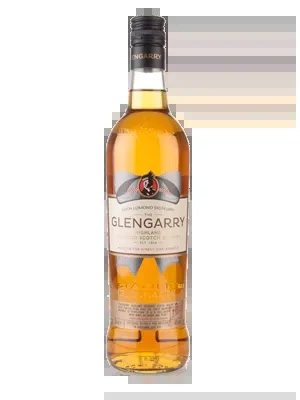
Brand: Glengarry
Glengarry
750ML
Overall Rating: 4.3
₹4,300
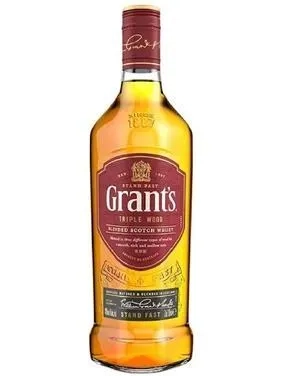
Brand: Grants
Grants Triple Wood
750ML
Overall Rating: 4.6
₹2,690
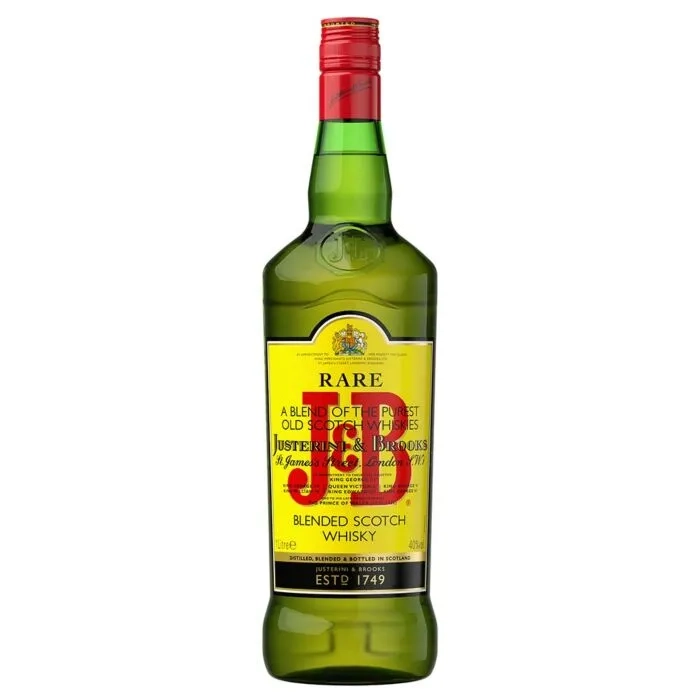
Brand: J&B
J&B Rare
750ML
Overall Rating: 4.6
₹2,835
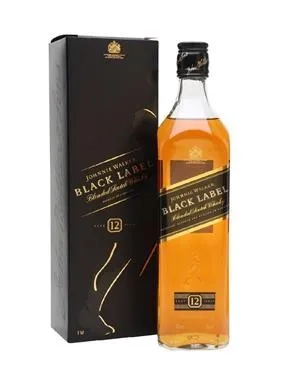
Brand: Johnnie Walker
Johnnie Walker Black Label
750ML
Overall Rating: 4.8
₹4,005
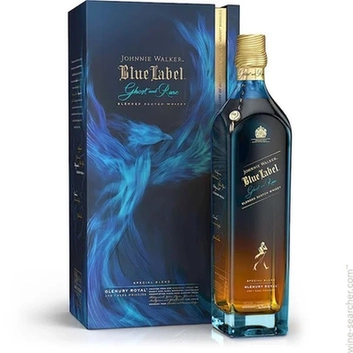
Brand: Johnnie Walker
Johnnie Walker Blue Label Ghost & Rare
750ML
Overall Rating: 4.6
₹15,500
All Categories


Disclaimer:
- We aggregate data from multiple public sources, hence actual prices may vary, visit local retailers for latest information.
- We do not offer Home Delivery. Be aware of fraudsters.
- Drink Less. Drink Better. Drink Responsibly.
- Reach out to us contact@livcheers.com